TH2024 14 The Romanovs

Season 2024 – Talk 14 – The Romanovs

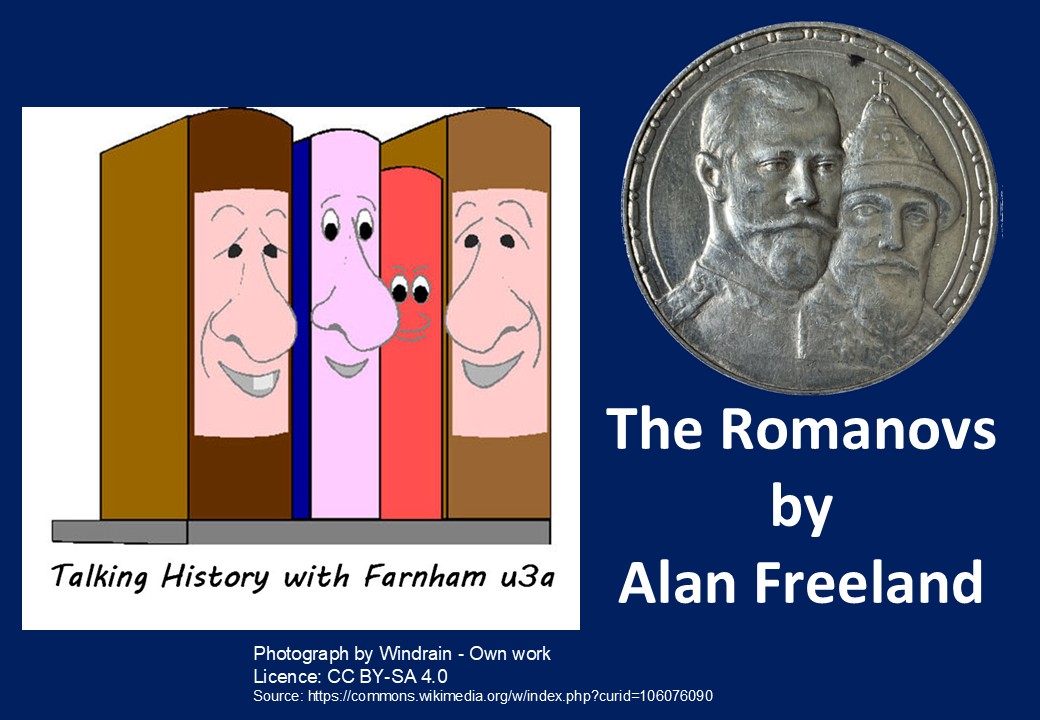
In ‘The Romanovs’ Alan Freeland tells us about the dynasty that ruled Russia from 1613 until 1917.

One family:

One family dominates Russian life for three centuries,  the Romanoffs.

In Alan’s view possibly the most successful Imperial Royal Family in Europe, and yet people don’t usually give them much credence. A dynasty with a very inauspicious start, with Michael in 1613 and an inauspicious end with the assassination, or execution, of Nicholas II.

17 rulers:

Alan tells us about the 17 rulers who span the three centuries. At least two would earn the title of ‘the Great’.

Then there are others that were incompetent, many self-serving and some just downright nasty.

Geography and a fear of invasion:

For a sense of scale the distance from Moscow to Kyiv is about a thousand kilometers. The only mountains are in the Caucasus and in the far west on the borders of Romania and Western Ukraine. In the East the Ural mountains are really just big hills, not like the Alps or the Pyrenees. Beyond the Urals is Asia and Russian Siberia.

In the more southern latitudes the lands are part of the Eurasian steppe. The steppe nomads, like the Mongols, have renown for conquering their sedentary neighbours.

Just west of Moscow are the Central Russian Uplands. They’re only about 250 meters tall, which is about the size of Box Hill. Whilst not sufficient to be much of a barrier, they are sufficient to be the source of a number of  rivers that flow both north and south.

The geography of Russia has few natural boundaries, this makes it very easy for Russia to expand. Its also very easy for enemies to attack and conquer these lands which has always created a sense of paranoid insecurity in the rulers of Russia.

The Mongols, the Ottomans, the Swedes, the Poles, the French and the Germans have swept in over these lands during this period.

This all has an impact on both the history and attitudes today.

Listen to Alan tell us the story of this dynasty.

About this podcast:

This is an edited recording of a talk given to the Farnham u3a World History: Ancient, Medieval and Modern  Group.

This podcast is also available through Amazon MusicApple PodcastsCastbox, PodchaserSpotify, YouTube and others.

AKM Music licenses Media Magazine for use with this talk.

© The MrT Podcast Studio and Farnham u3a World History: Ancient, Medieval and Modern Group 2018 – 2026
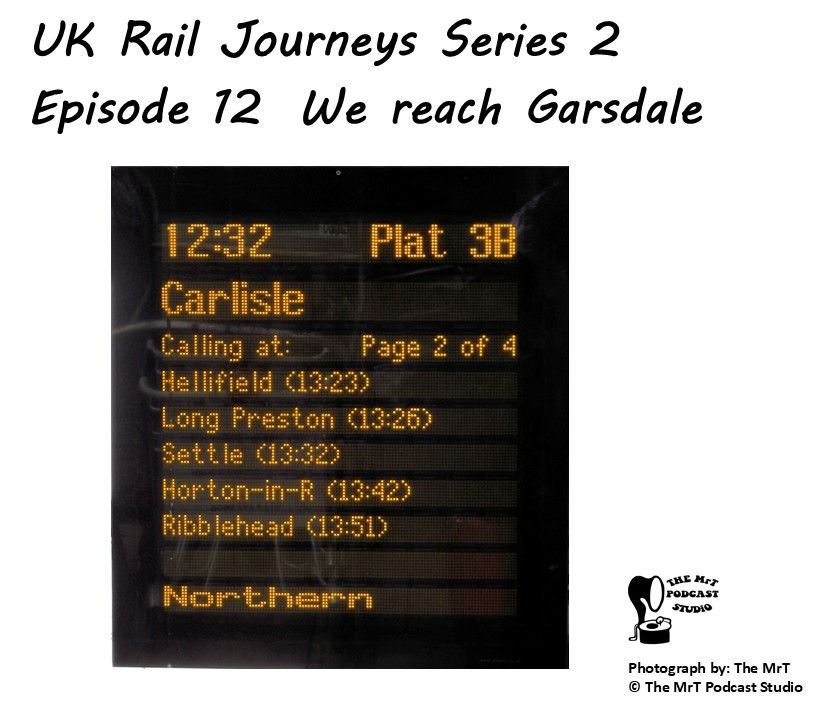
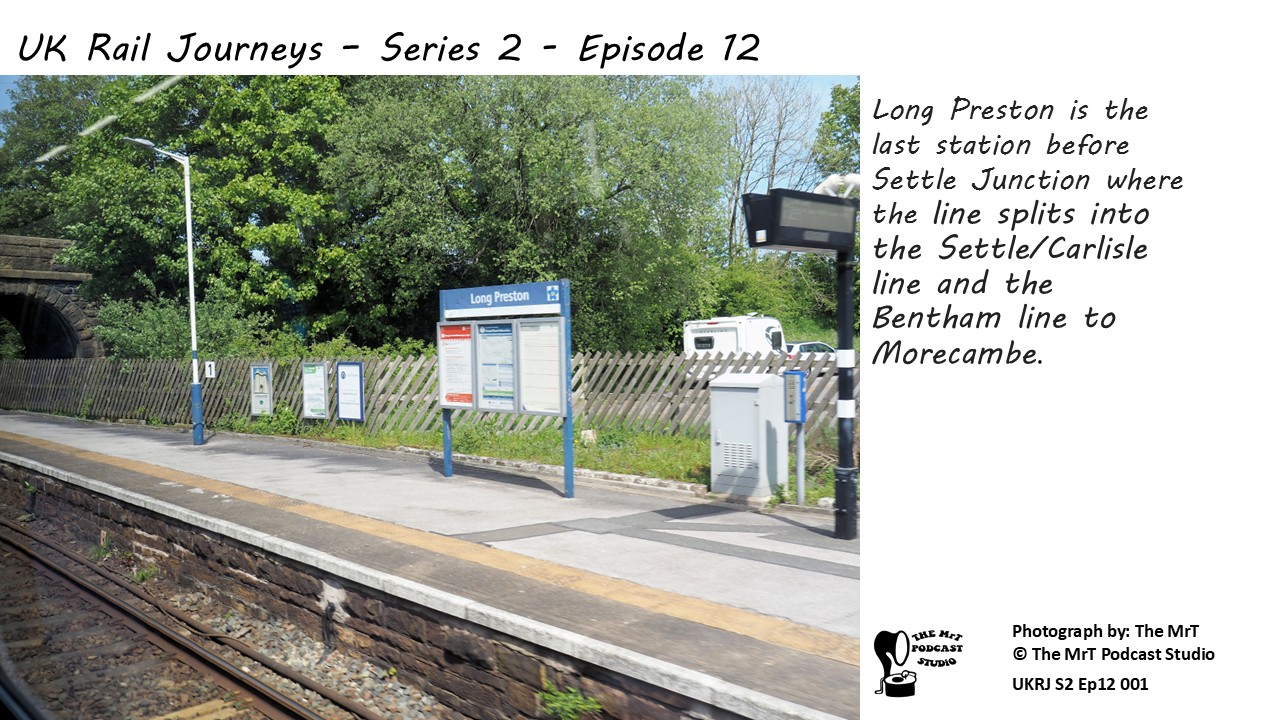
UKRJ S2 Ep12 We reach Garsdale

We reach Garsdale  –  UK Rail Journeys Series 2 –    Episode 12

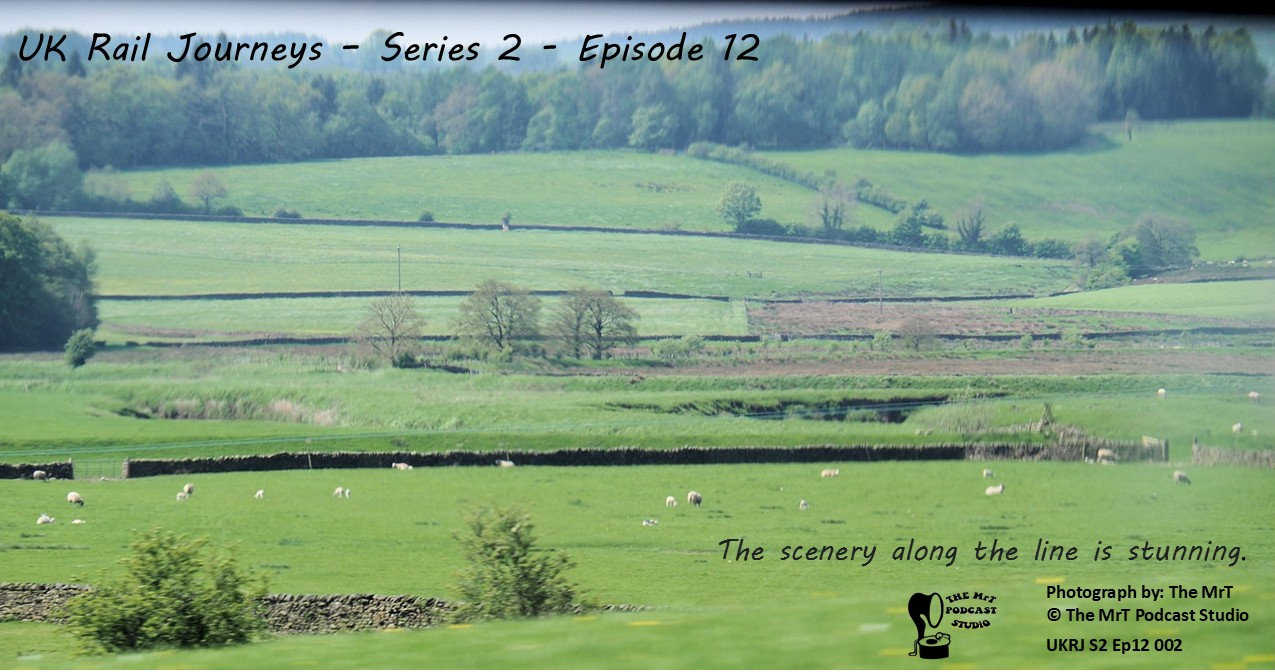
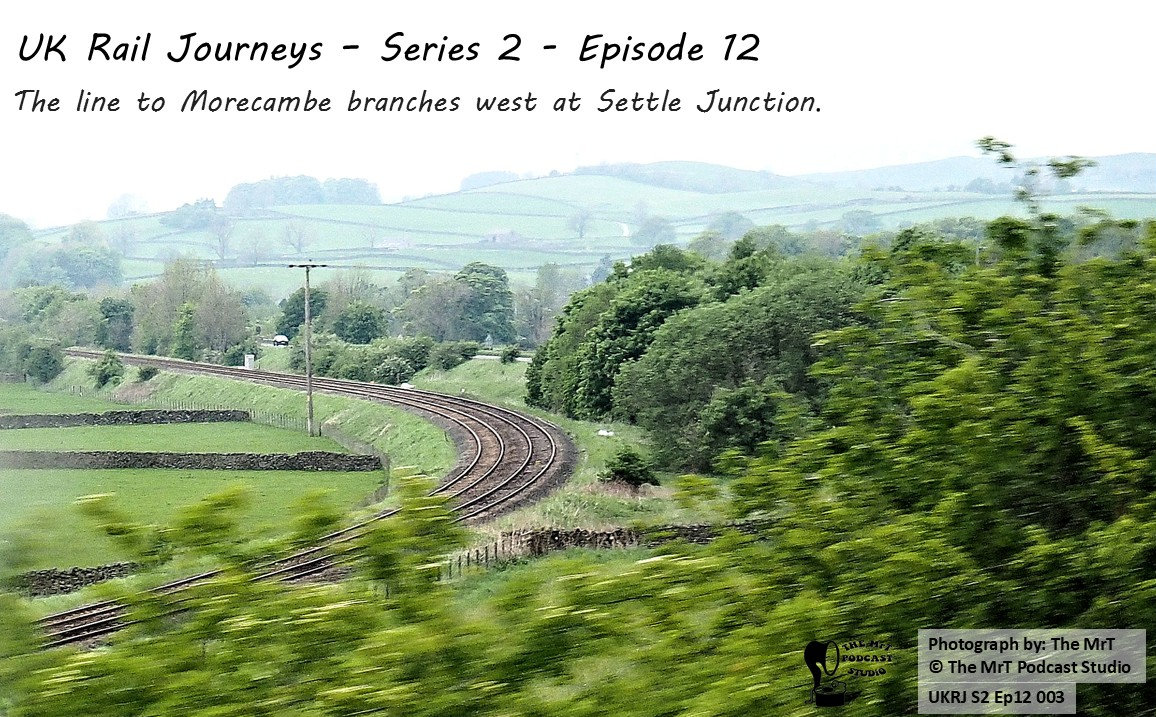
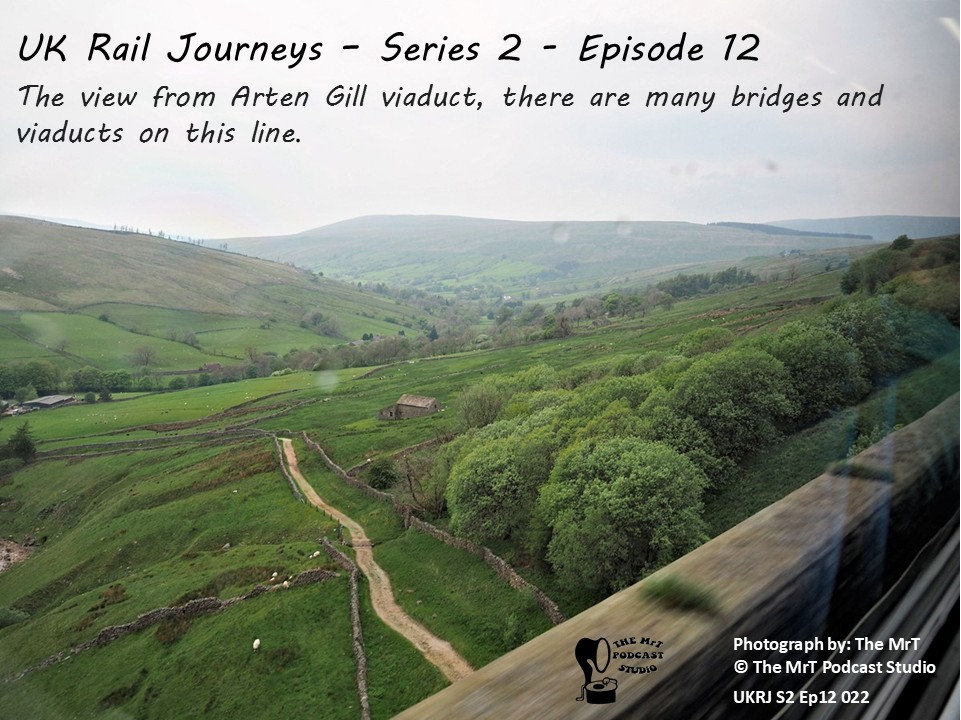
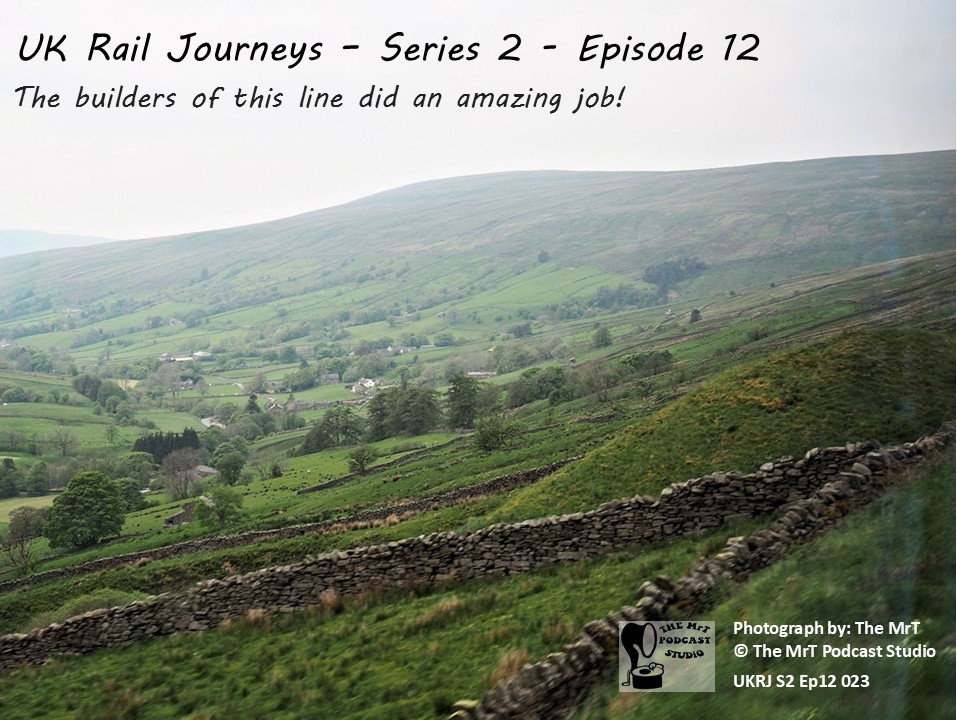
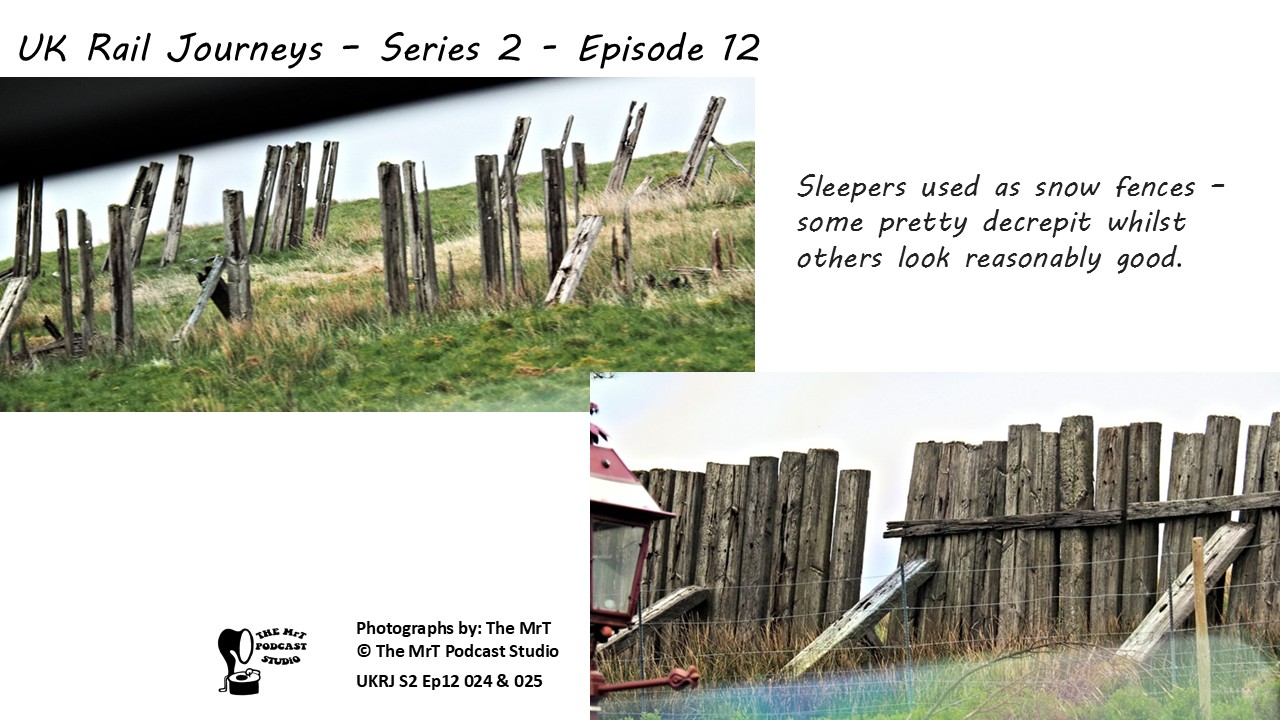
In ‘We reach Garsdale‘ the journey from Leeds to Carlisle continues as we travel from Settle north along the Settle and Carlisle line.

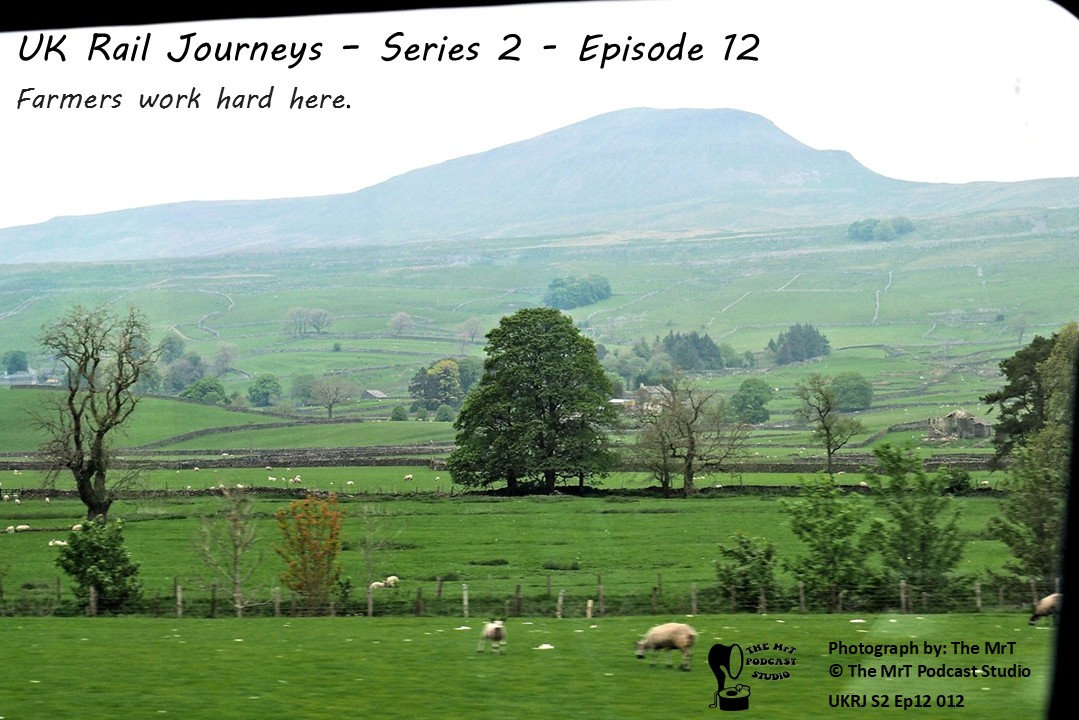
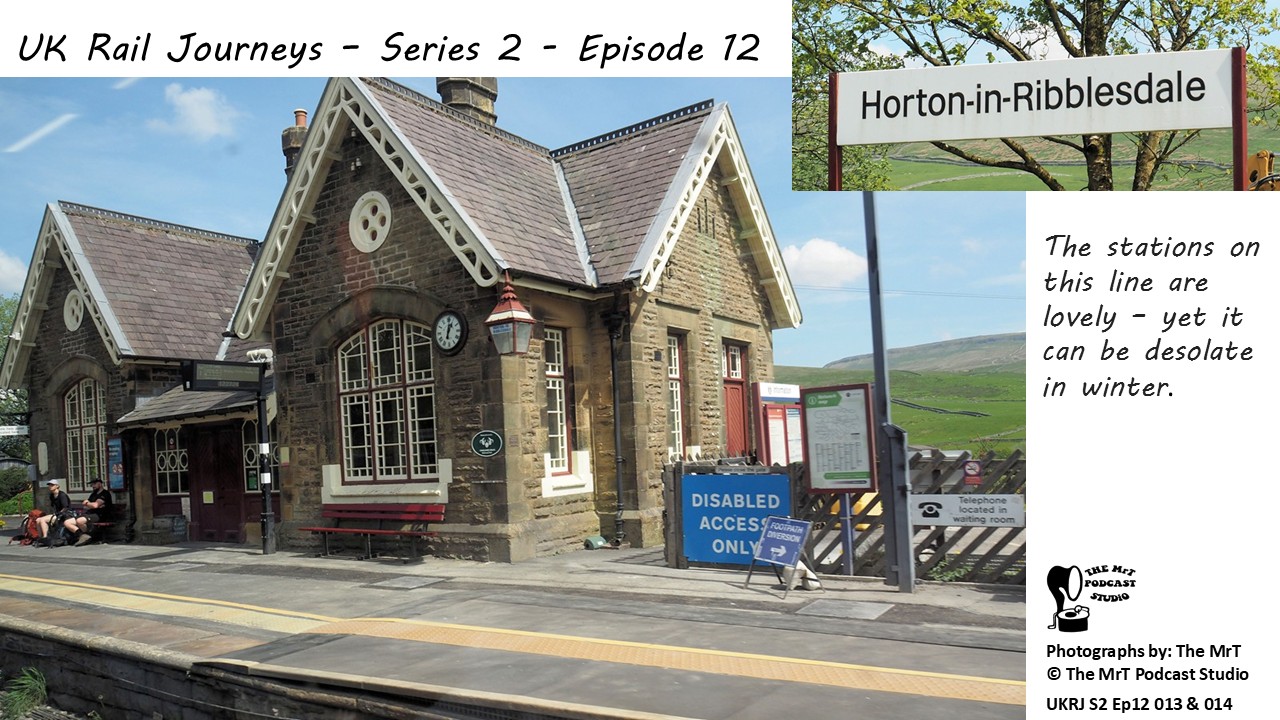
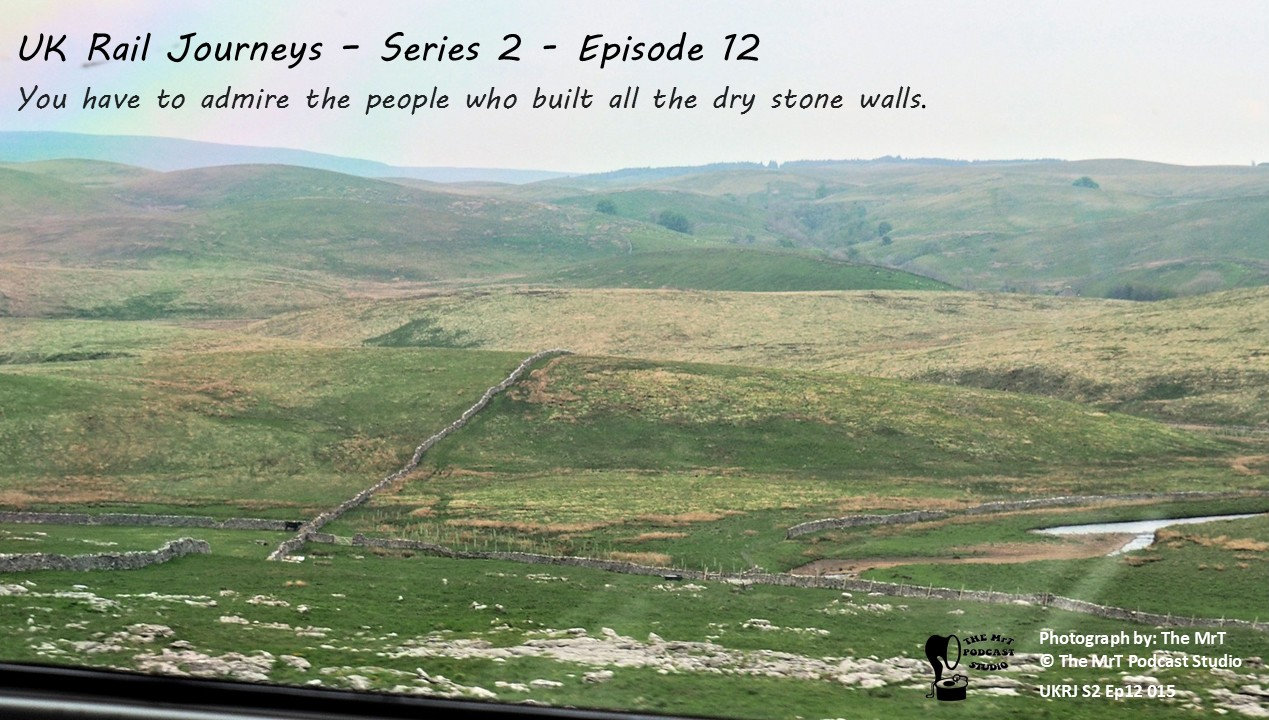
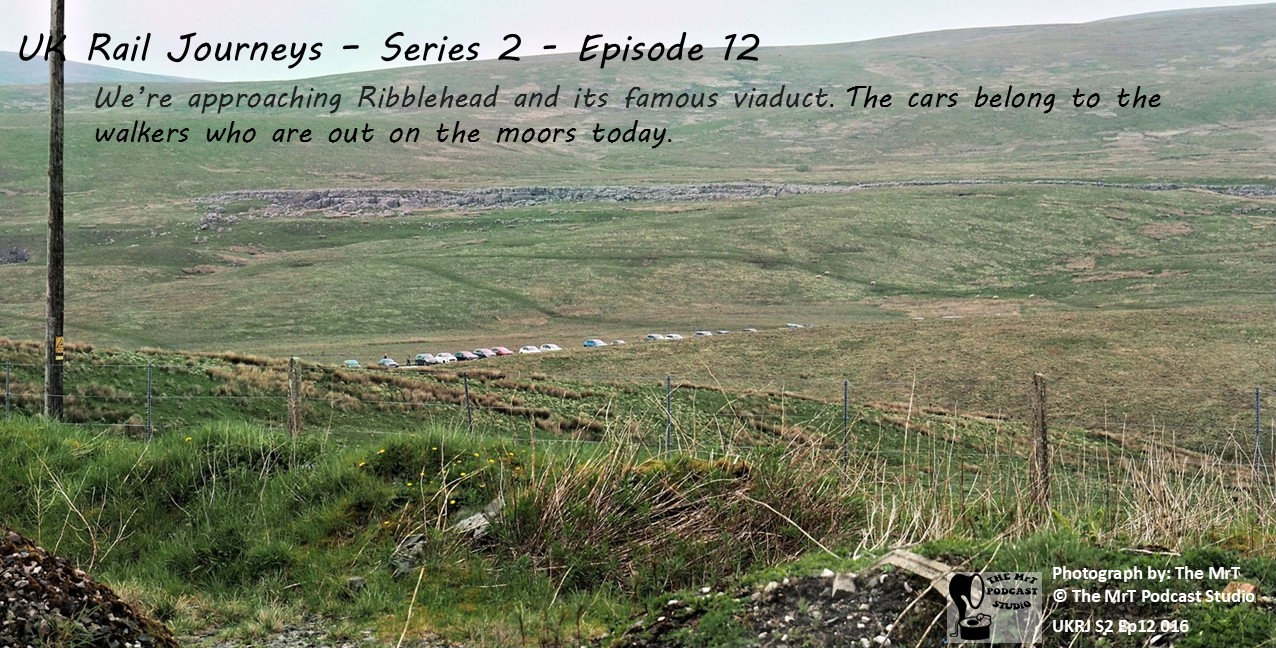
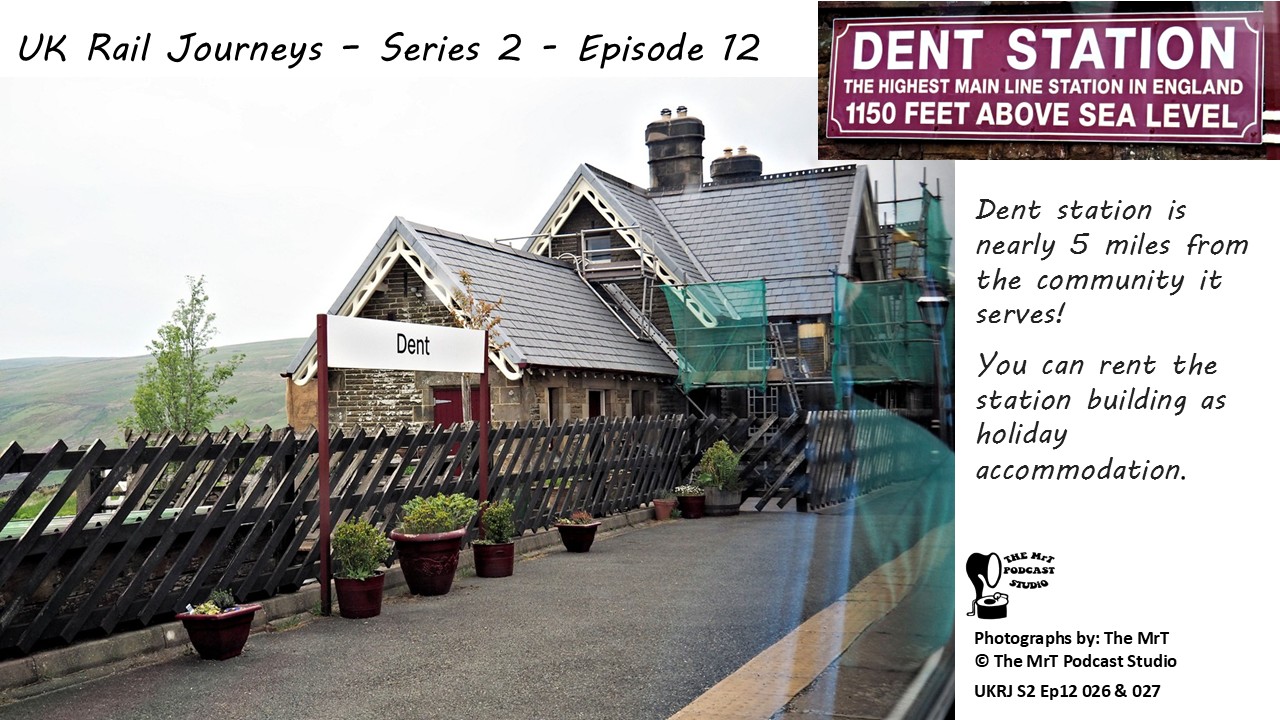
Please click on a thumbnail to see the photographs that go with the podcast:

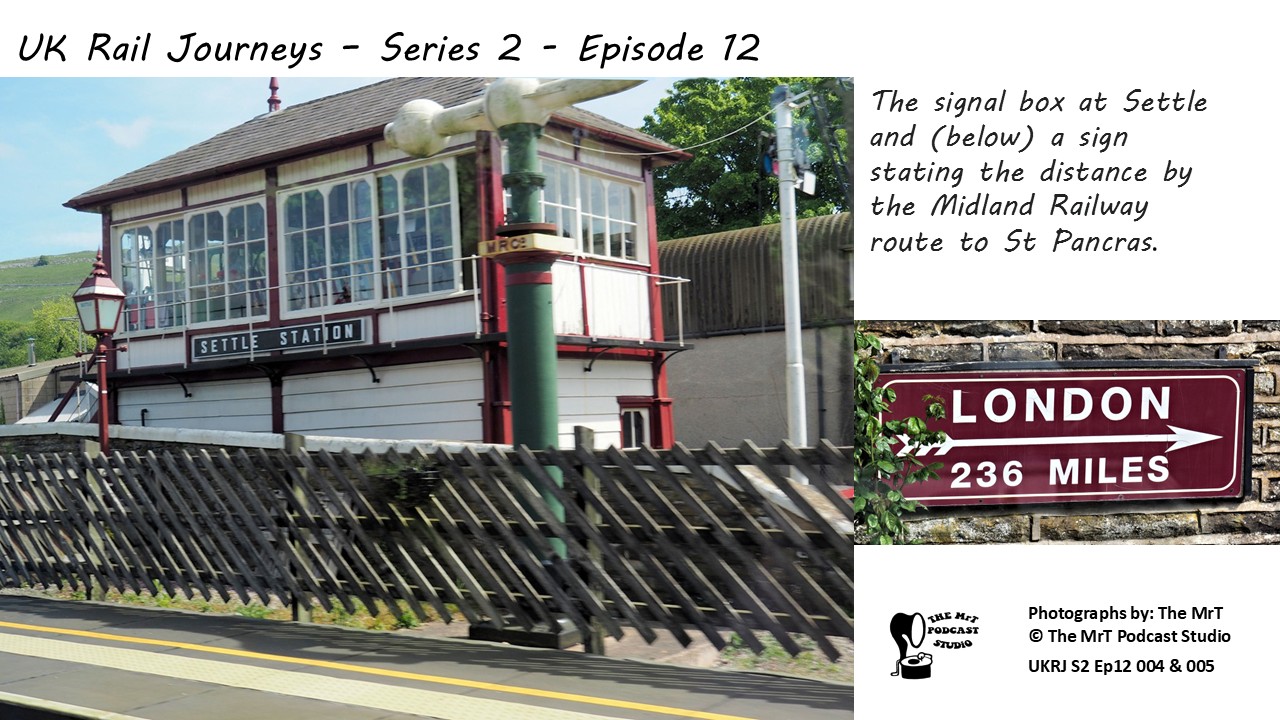
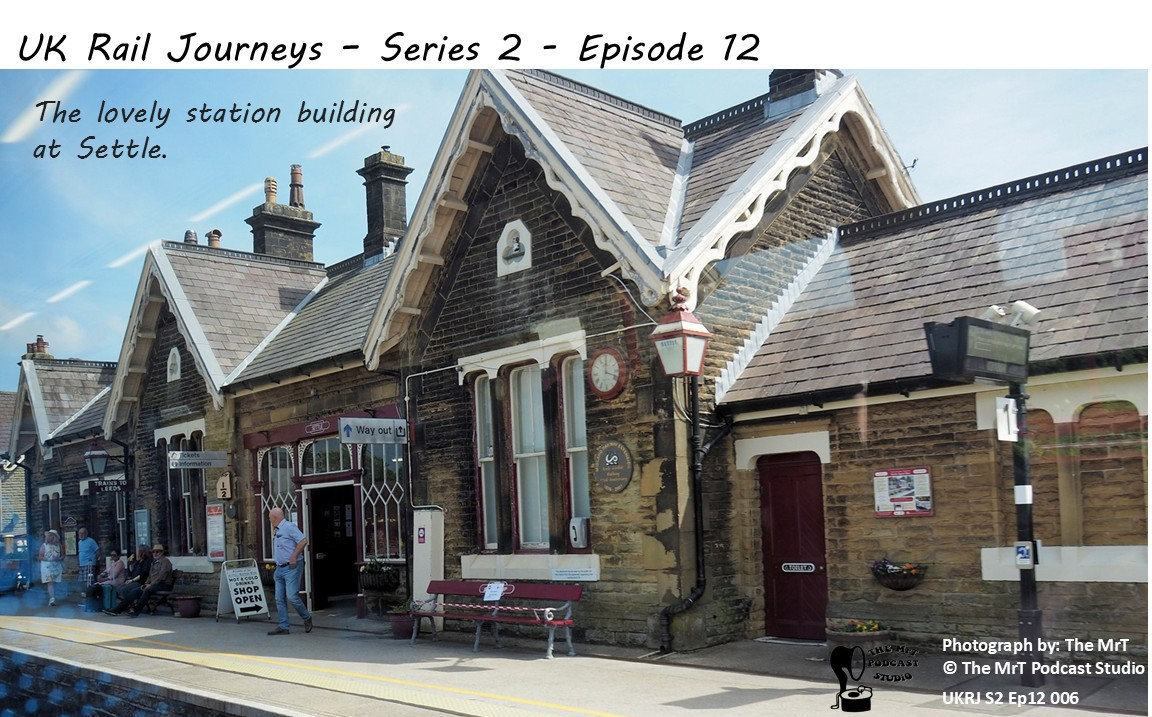
Settle Station:

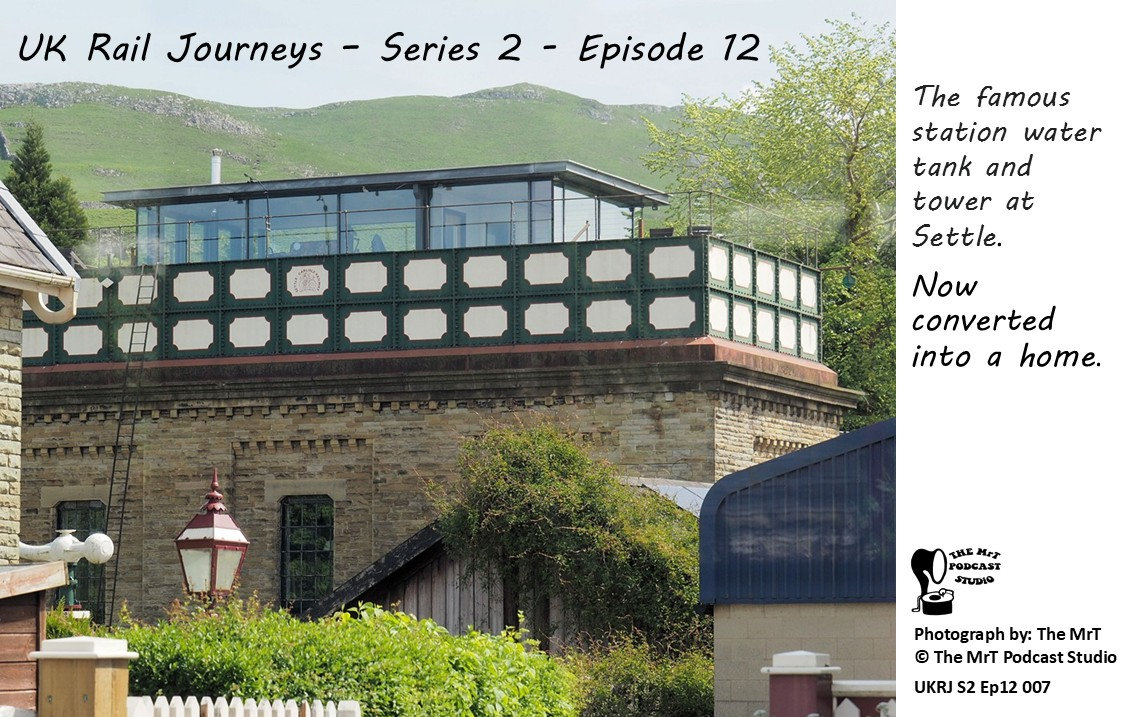
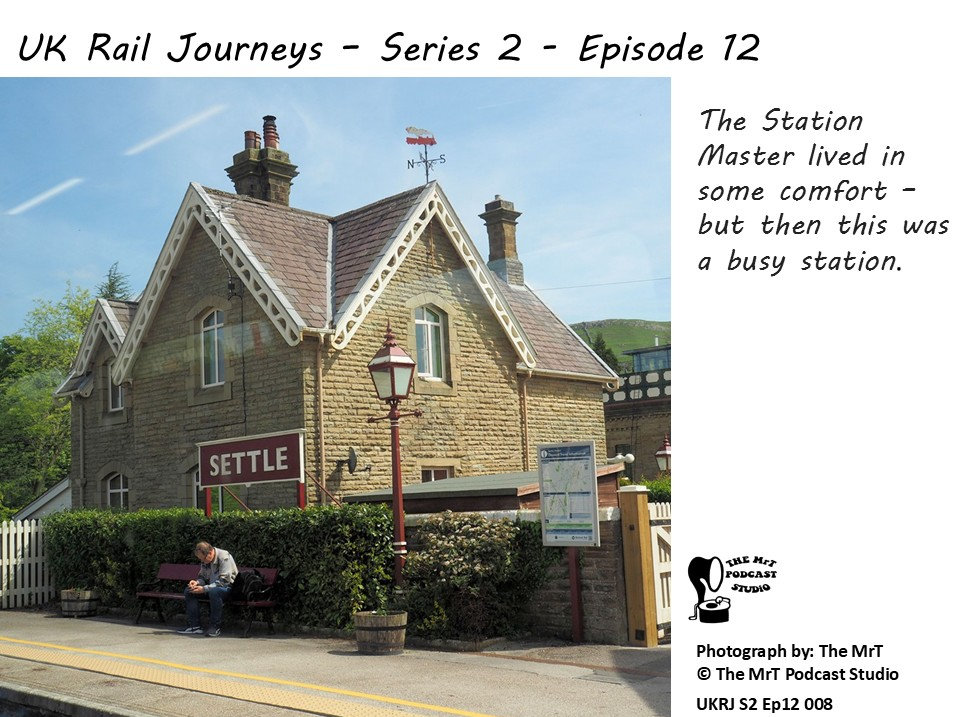
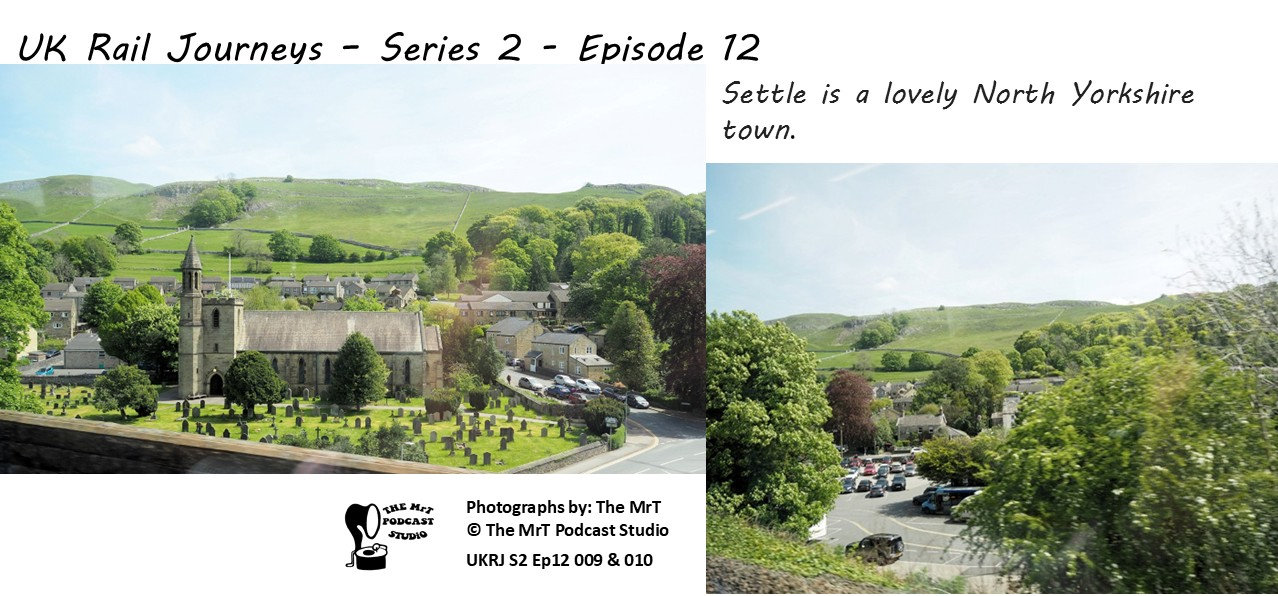
The Grade II listed station is at the southern end of the Settle and Carlisle Line. Just over 41 miles north of Leeds, its close to the town centre and has part-time staff. There is a waiting room, toilets and a souvenir shop in the main buildings on the southbound platform.

There is a stone waiting room on the northbound platform. An ex-North British Railway footbridge links the platforms.

The station was used by 131,000 passengers in 2022 / 23.

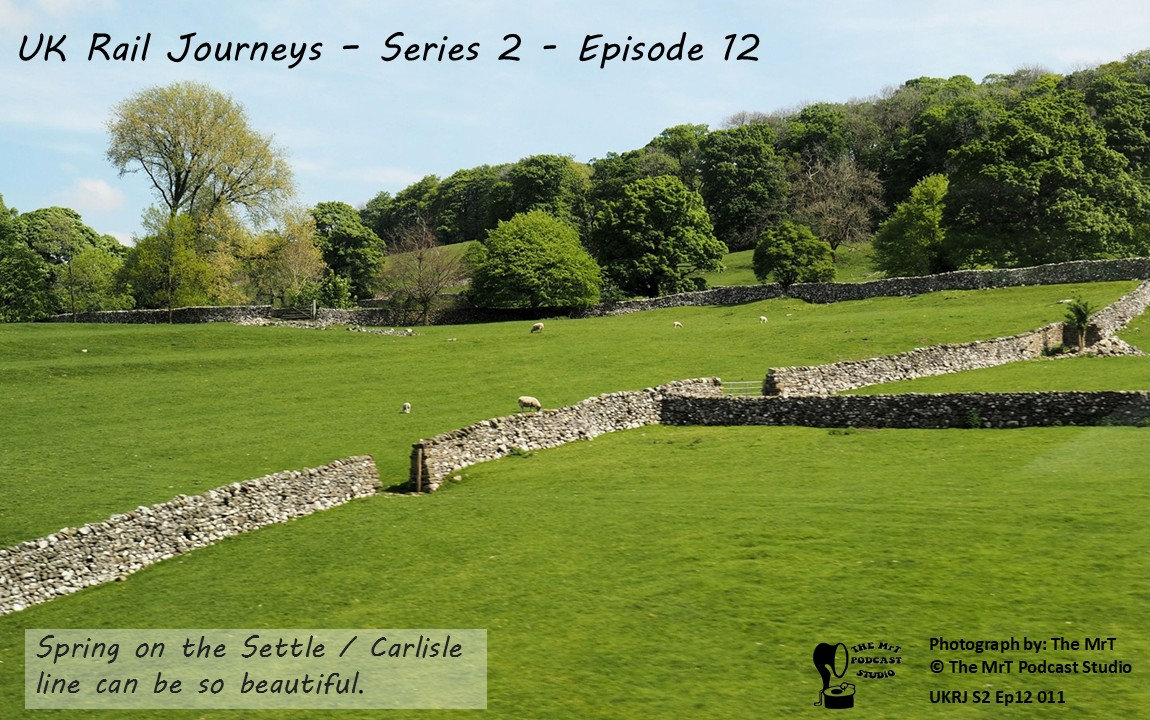
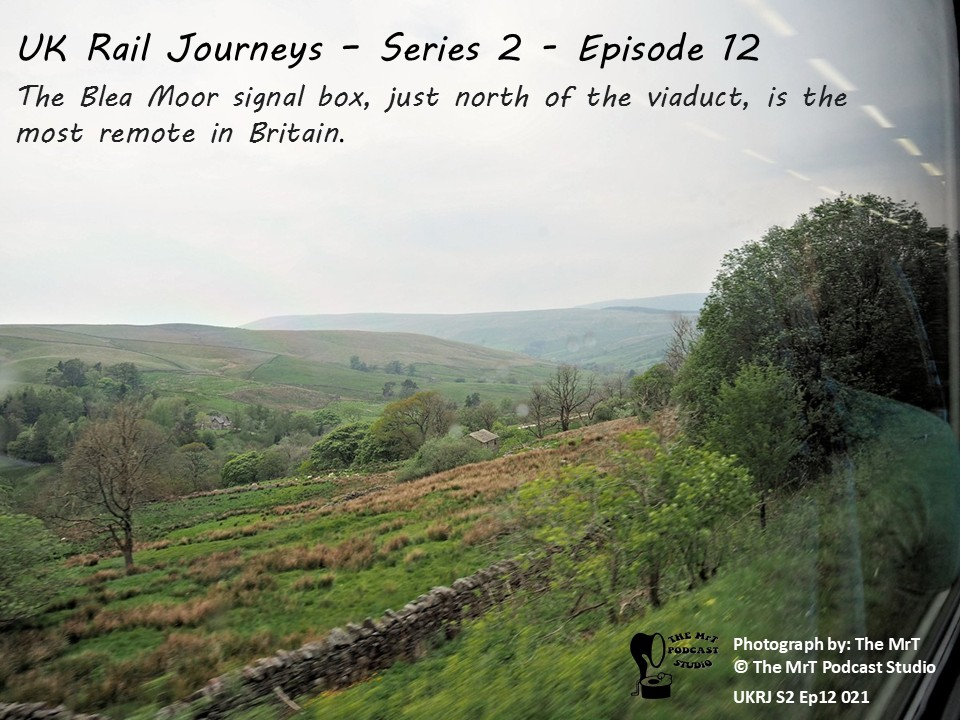
This section of the line is known as ‘The Long Drag’. The line climbs at 1 in 100 for the next 10 miles until we reach the summit at Blea Moor. Hard work for the firemen in the days of steam.

Ribblehead:

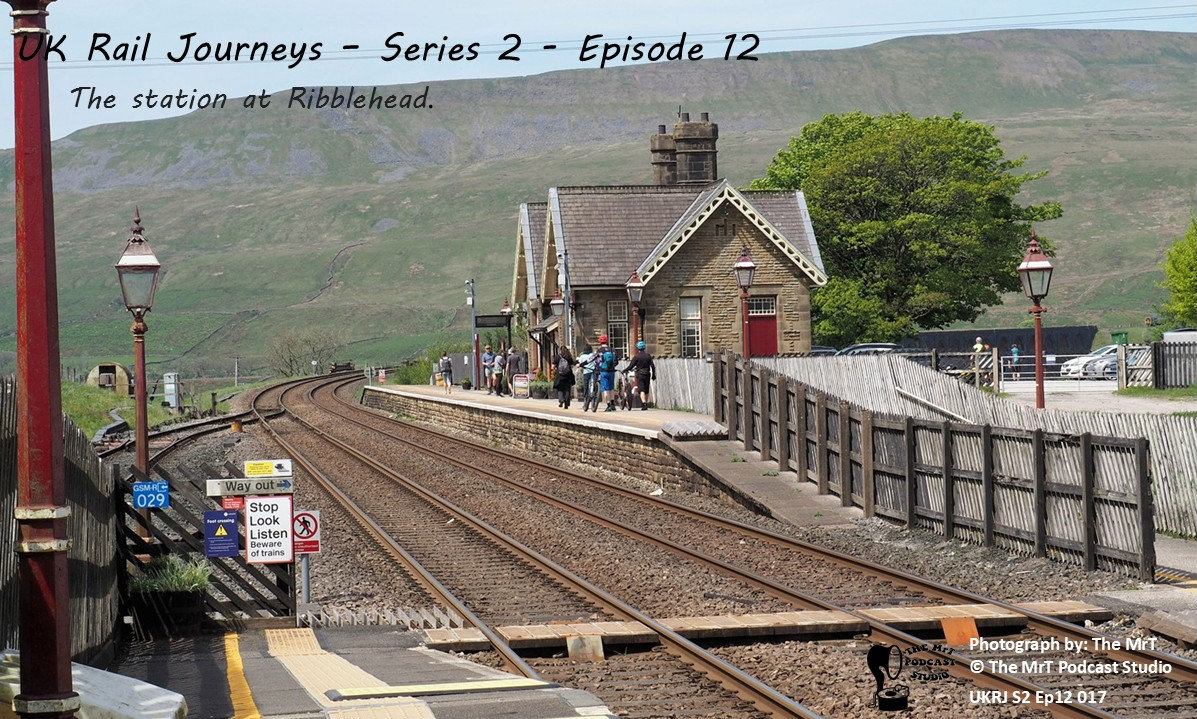
This can be a wild and windy place. Its high up on the Pennine plateau, The summits of Ingleborough and Whernside are in view and the rainfall is four times that of London.

In 2022 / 23, 23,426 passengers, mainly walkers and tourists, use the station.

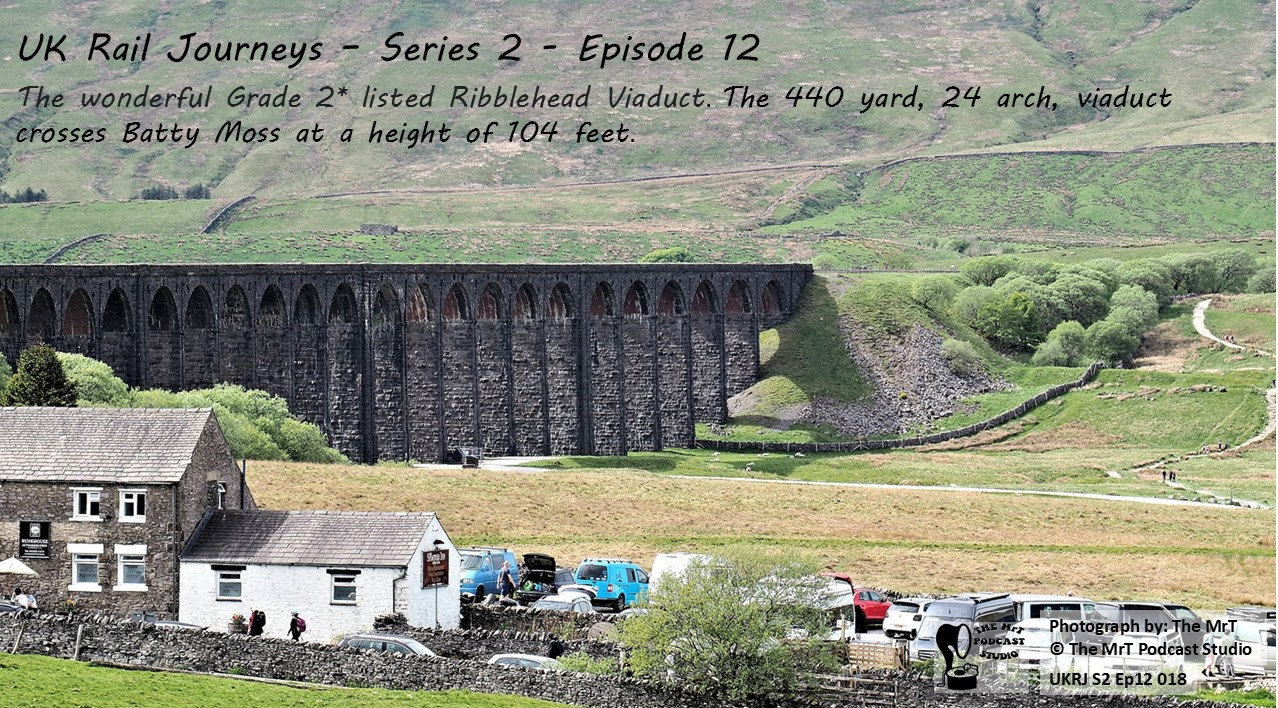
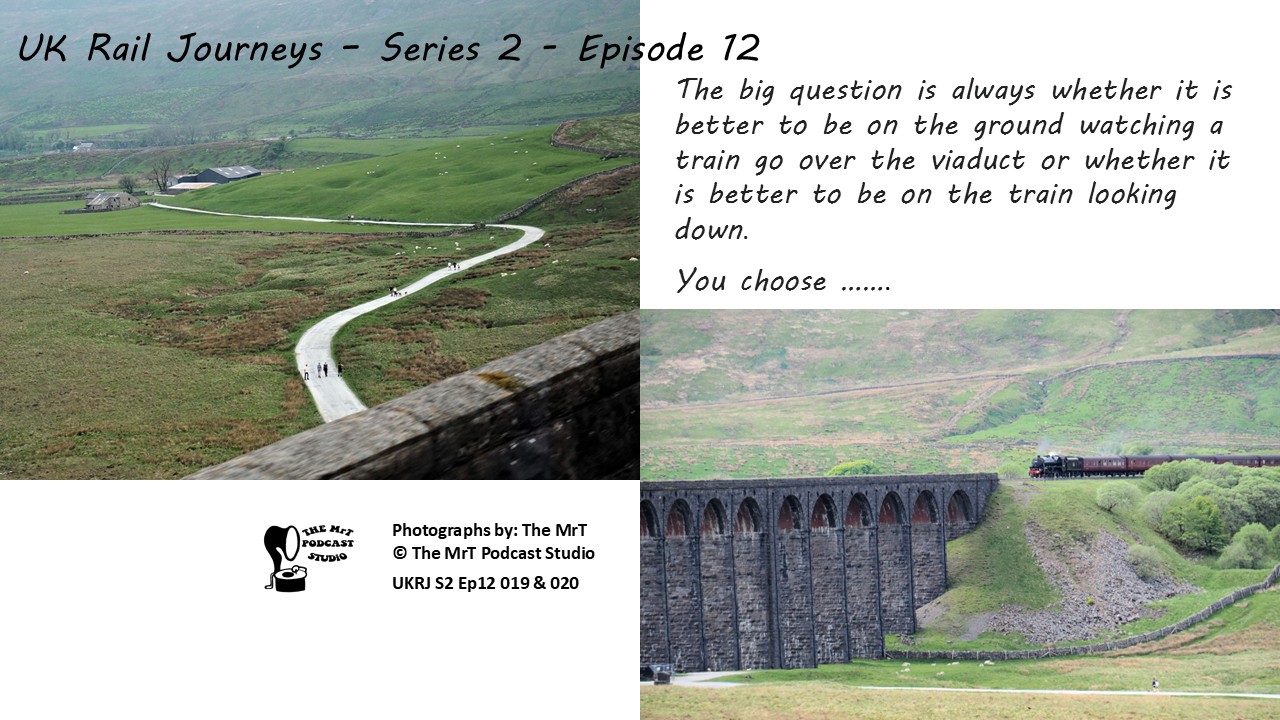
The legendary, 24 arch, 440 yard long viaduct is immediately after the station. It stands 104 feet above Batty Moss. The big question is whether it is better to be on a train crossing the viaduct or to watch the train cross it from below. You choose!

Dent:

This is the highest station in England. It is 1,150 feet above sea level. The local village is nearly 5 miles away. In 2022 / 23 over 9,200 passengers use the station.

Garsdale and Hawes Junction:

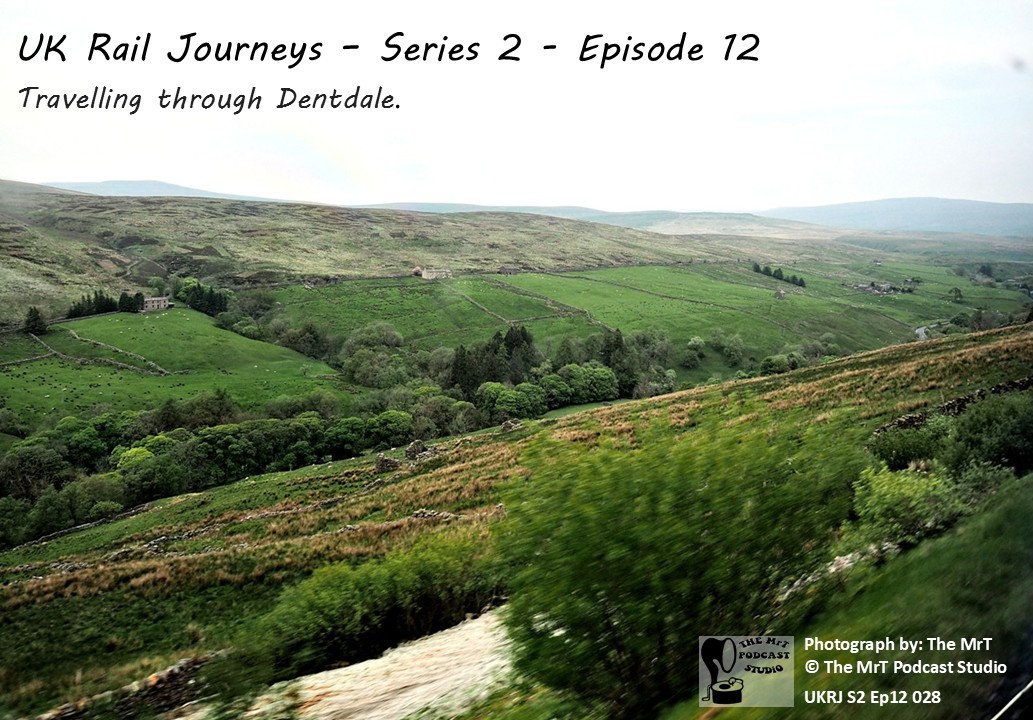
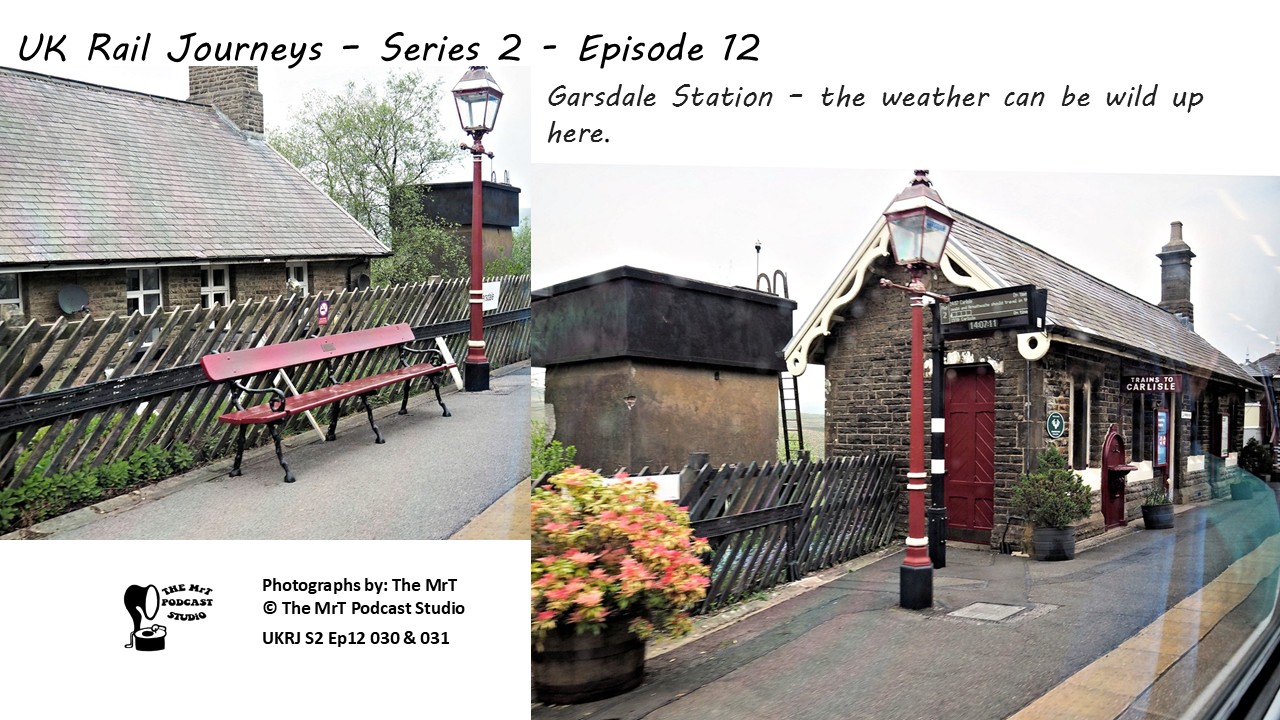
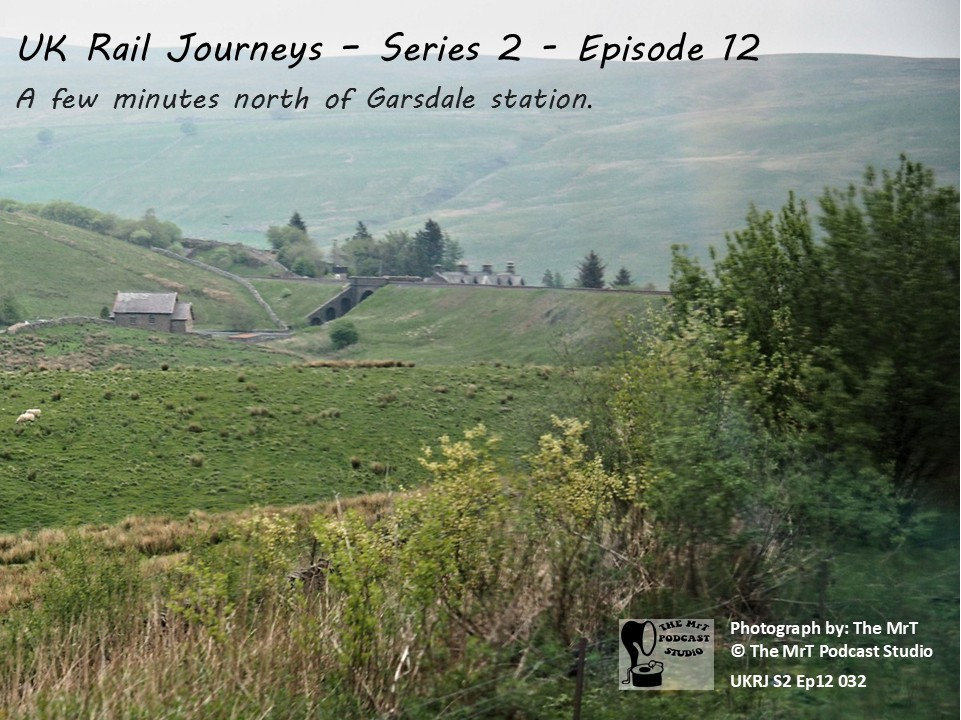
Few people live in this wild countryside. Garsdale, used by 14,494 passengers in 2022 / 23 was once the junction with the Wensleydale line.

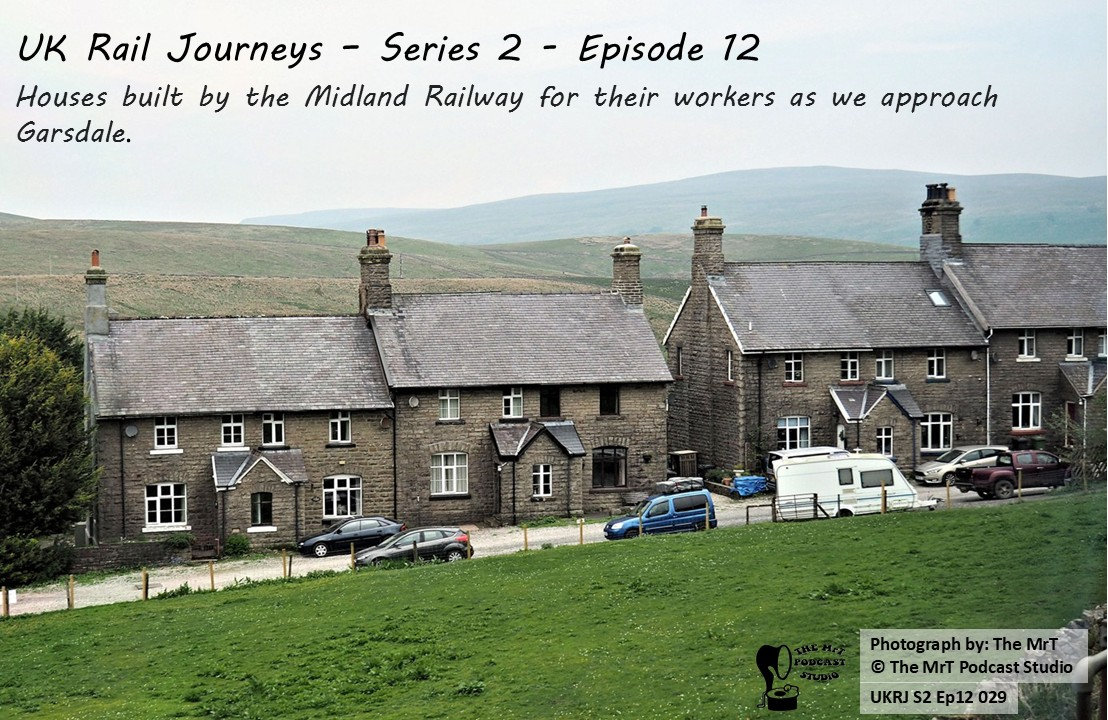
There are sixteen Railway Cottages next to the station. These were built by the Midland Railway for railway workers.

Listen to the podcast to hear all about my journey from Settle to Garsdale and the incidents at Hawes Junction.

This podcast is also available through Amazon MusicApple PodcastsCastbox, PodchaserSpotify, YouTube and others.

Music:

AKM Music licenses Steam Railway and Under the Sun for use in this podcast.

TH2024 Ep13 Edward I

Season 2024 – Talk 13 – Edward I

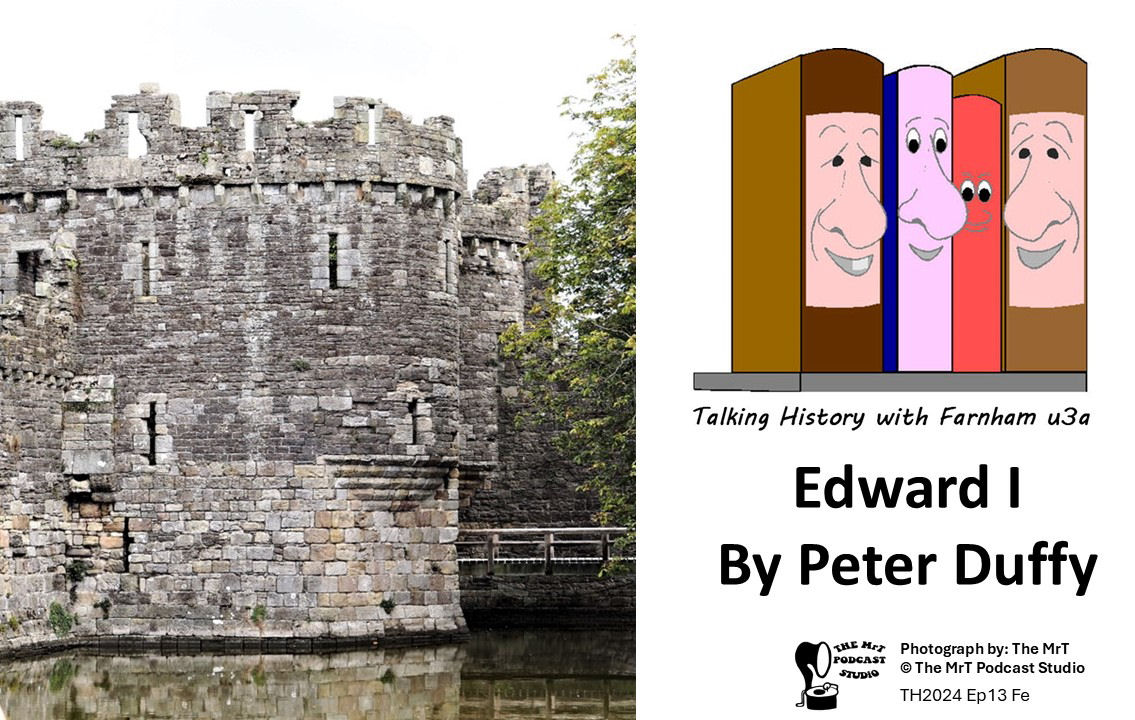
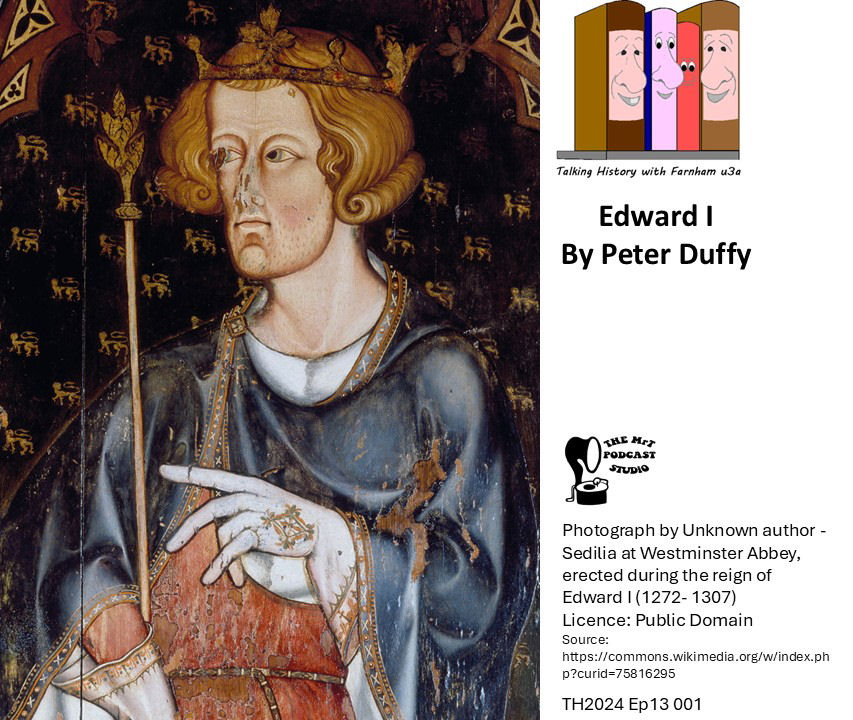
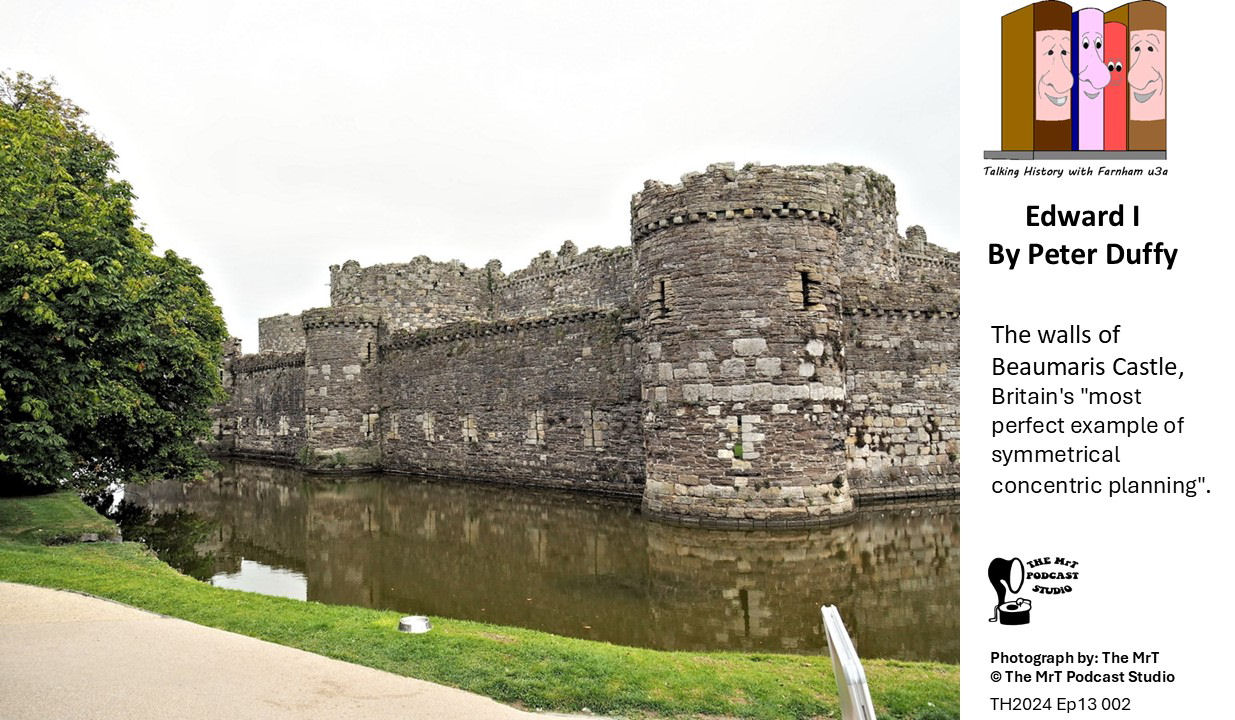
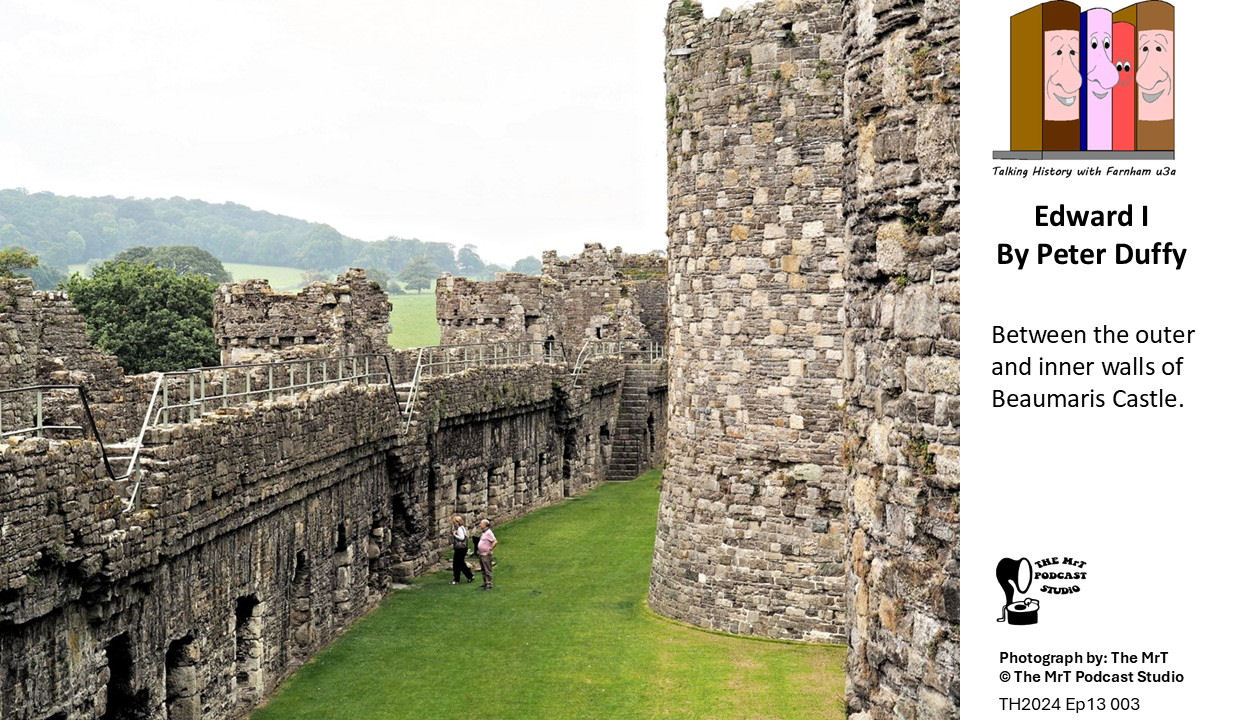
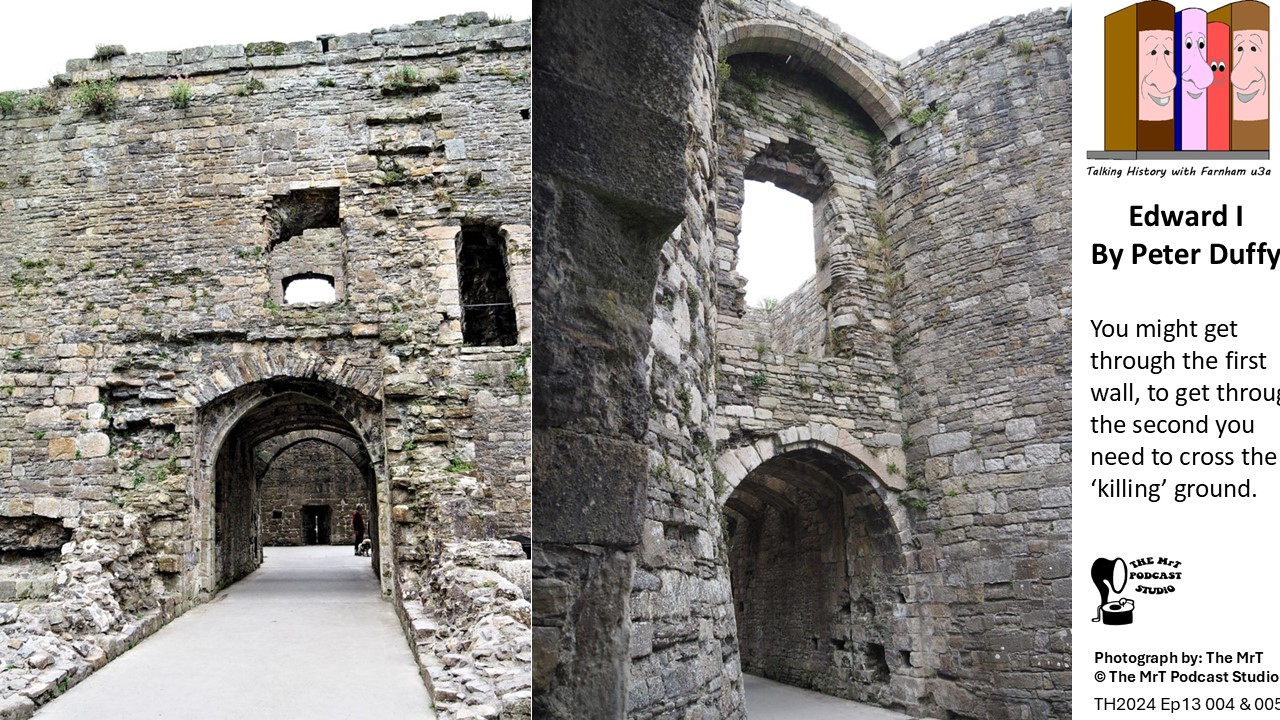
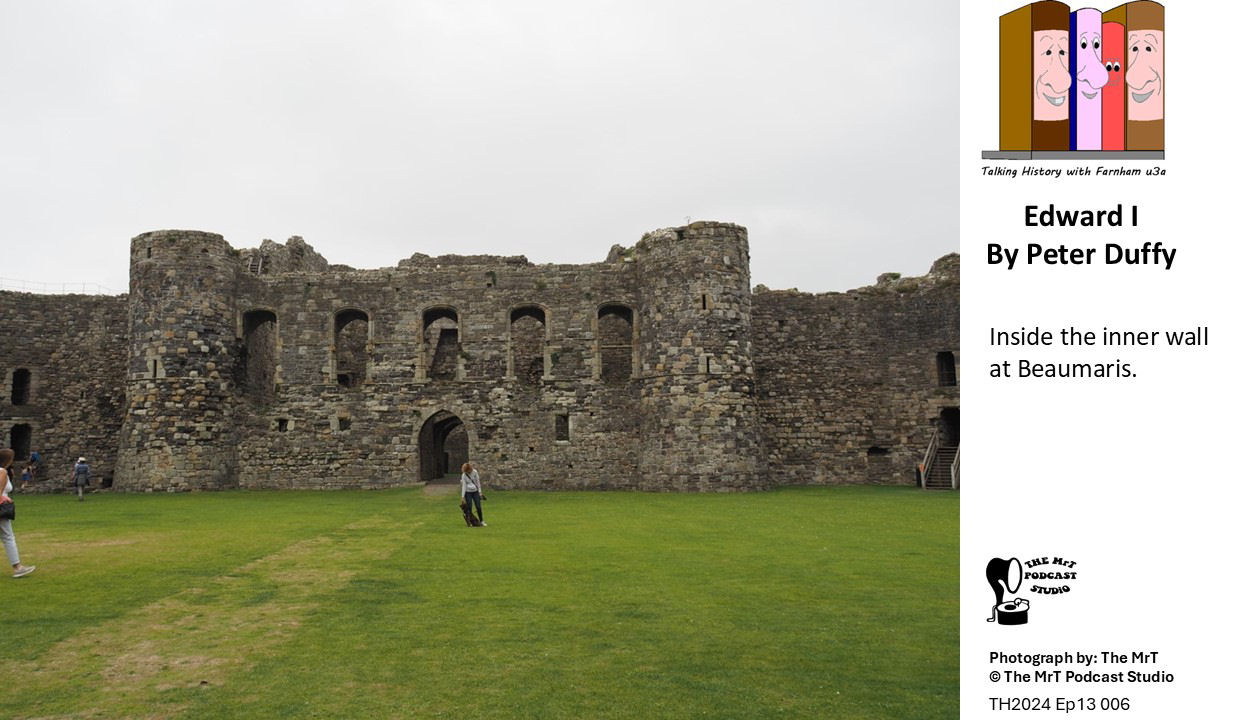
In ‘Edward I’ Peter Duffy tells us about the King who ruled from 1272 to 1307.

Click a thumbnail below to view the image gallery that accompanies the talk.

History repeating itself?

Imagine another England long ago, but one that you recognise. A time with many parallels to the present day. The Welsh and the Scots are revolting. The government is desperately short of money and is looking at new ways to raise even more taxes.

There’s an institution supposedly dedicated to wellbeing. In this case, it’s the church, not the NHS, that sucks in more and more resources.

Society, and the political world are deeply divided. Government is weak and feeble with poor leadership. There are problems with Europe and serious threats in the Middle East.

Edward I:

But at the moment of England’s desperation, when all is dark and appears lost, salvation appears. Edward I, commonly known as Edward Long Shanks because his considerable height, the Hammer of the Scots and the Welsh.

He reorganises the state machinery and constitution, making it more effective and representative.

Edward limits the church’s ambitions and is a strong, magnetic leader. He’s a diplomat, a peacemaker in Europe, but defender of England’s interests against the French. A crusader against the Muslim invasion of the Holy Land.

What’s not to like?

A weak father and grandfather:

Edward, born in 1239, is the son of Henry III and the grandson of King John. Henry is a pious, but ineffective, ruler with a reverence for Edward the Confessor. He rebuilds Westminster Abbey, starting in 1245, on the site of the church built by Edward the Confessor.

The young Edward is knighted and marries at the age of 15 to Eleanor of Castile. King John and Henry III have, by this time, lost virtually all the lands held in France by Henry II.

Edward’s marriage is to pre-empt the loss of further land. It becomes a marriage of mutual affection. In 1270 she accompanies Edward on a Crusade, a highly risky venture. When she dies Edward builds memorials at the 12 places where her body rests each night as it travels to London.

Today only three remain. The final one was at Charing Cross. Today it is marked by a replacement memorial.

Listen to Peter tell us the full story of this king.

About this podcast:

This is an edited recording of a talk given to the Farnham u3a World History: Ancient, Medieval and Modern  Group.

This podcast is also available through Amazon MusicApple PodcastsCastbox, PodchaserSpotify, YouTube and others.

AKM Music licenses Media Magazine for use with this talk.

© The MrT Podcast Studio and Farnham u3a World History: Ancient, Medieval and Modern Group 2018 – 2026