MRTGY 2026 03 March

March  –  MrT’s Gardening Year 2026 – Episode 03

March, as the month progresses we pass through both the equilux and the equinox. The days are getting longer and spring really is upon us.

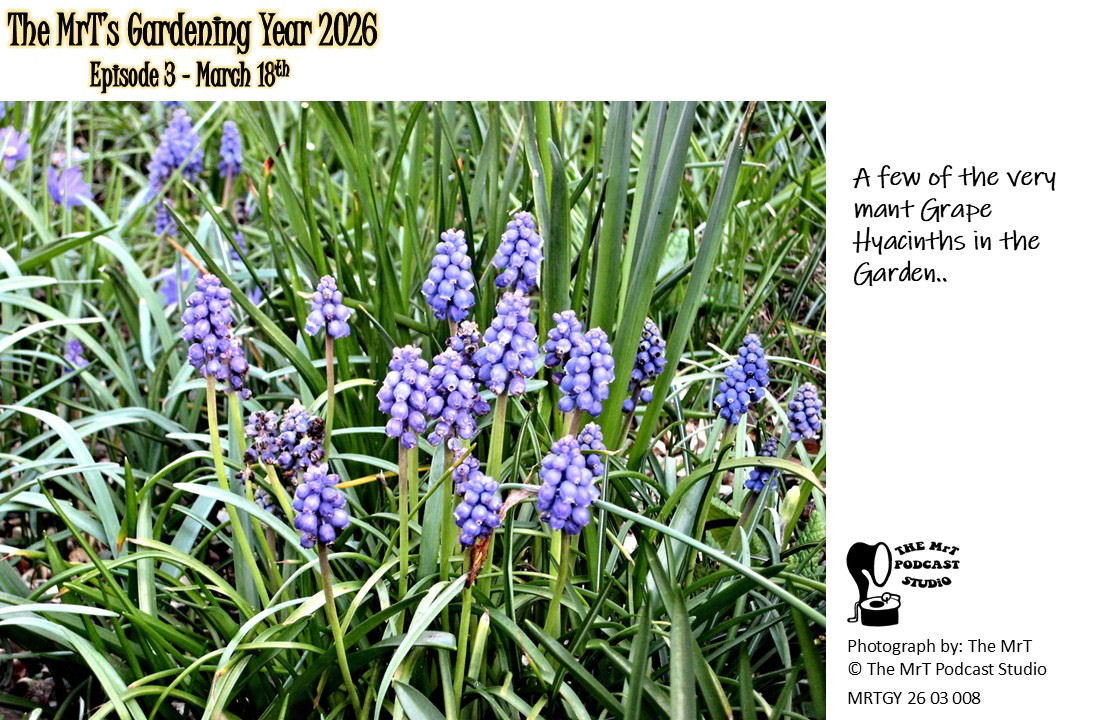
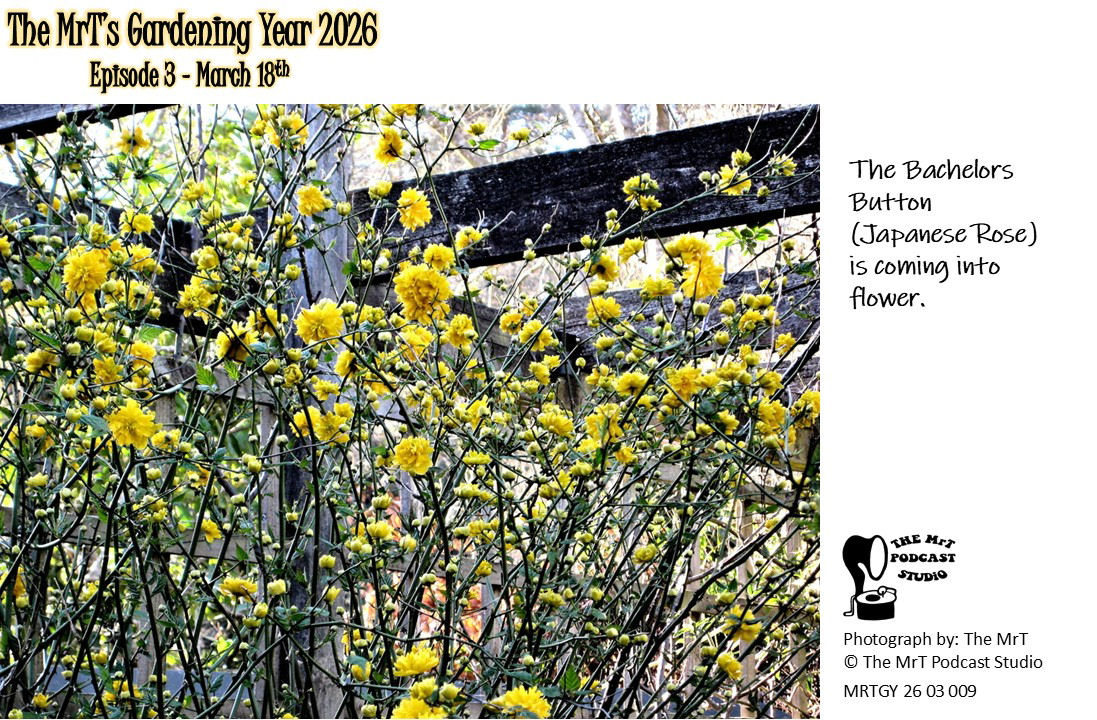
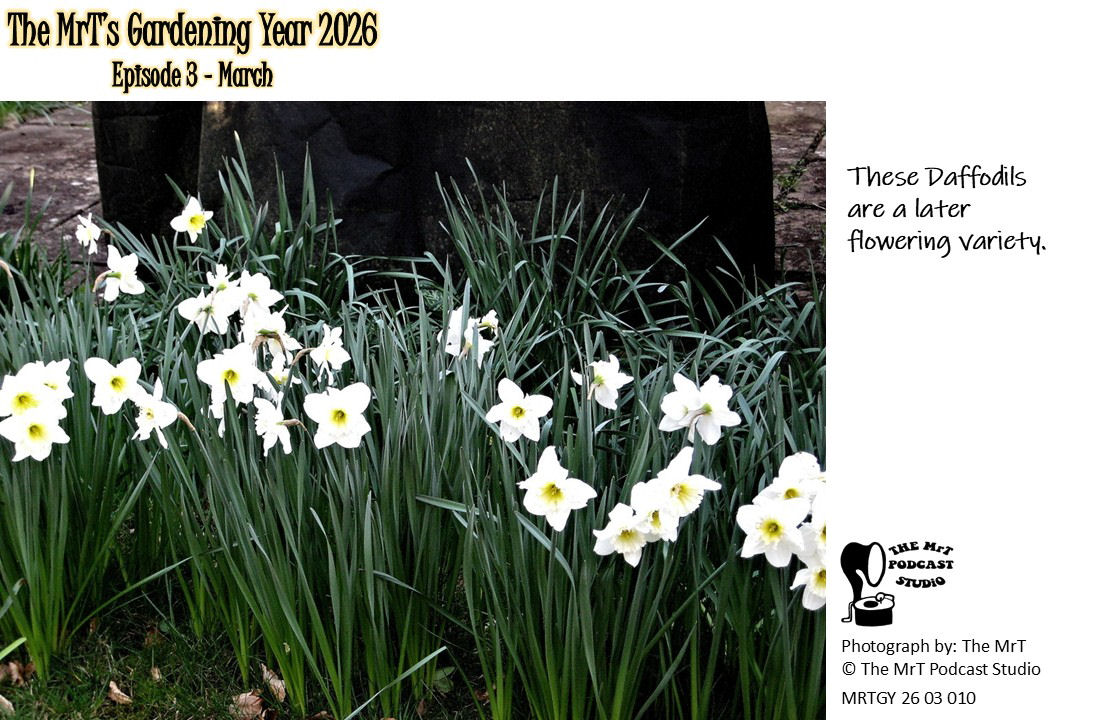
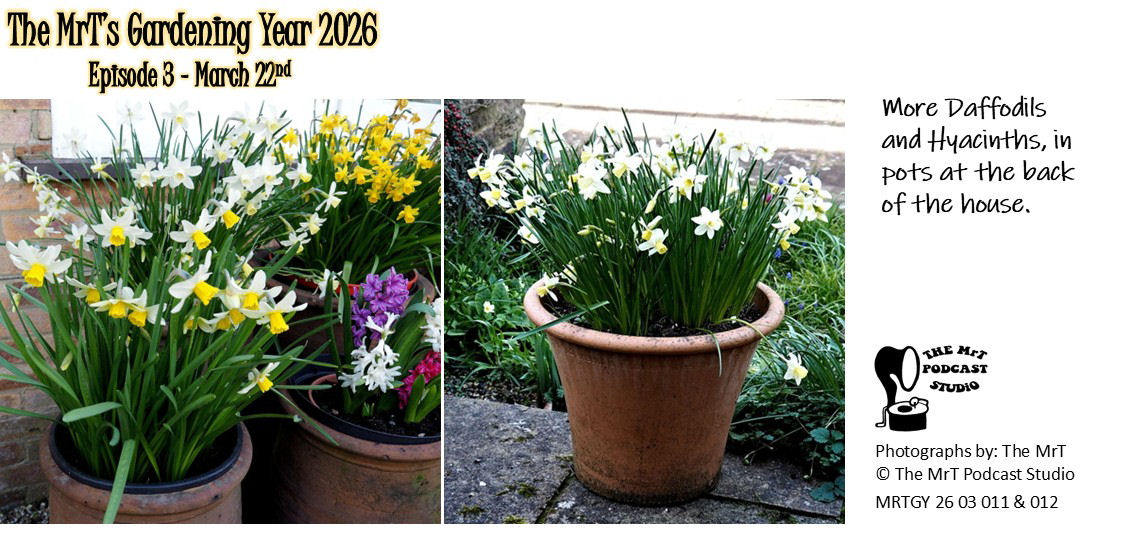
Please click on a thumbnail to see the photographs that go with the podcast:
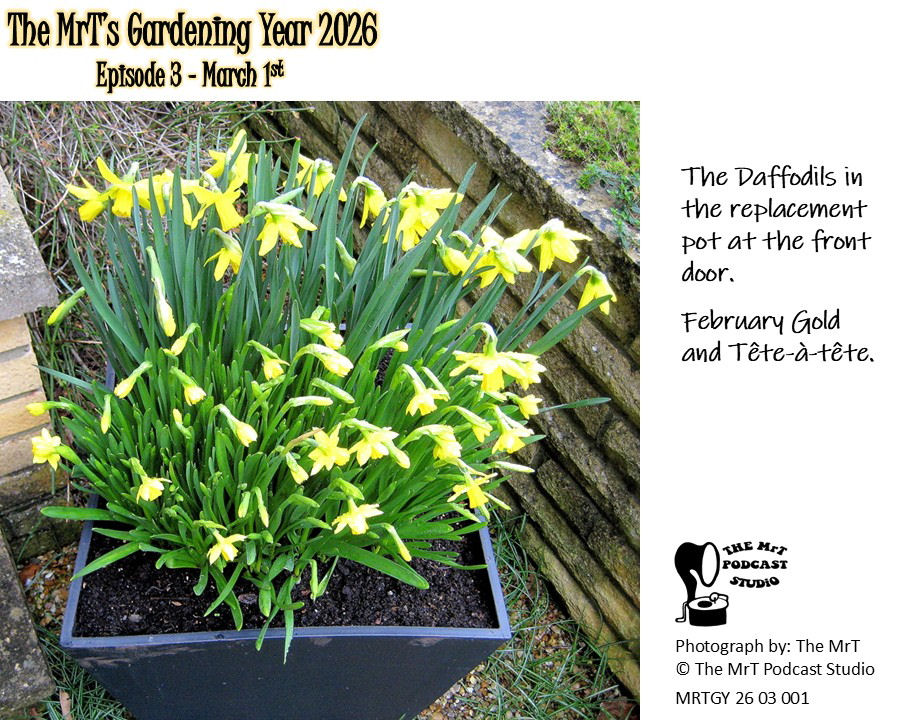
Relatively dry:

To be honest we could do with some rain. Lots of dry, grey days! There has been sunshine, there has been some rain but not enough of it!

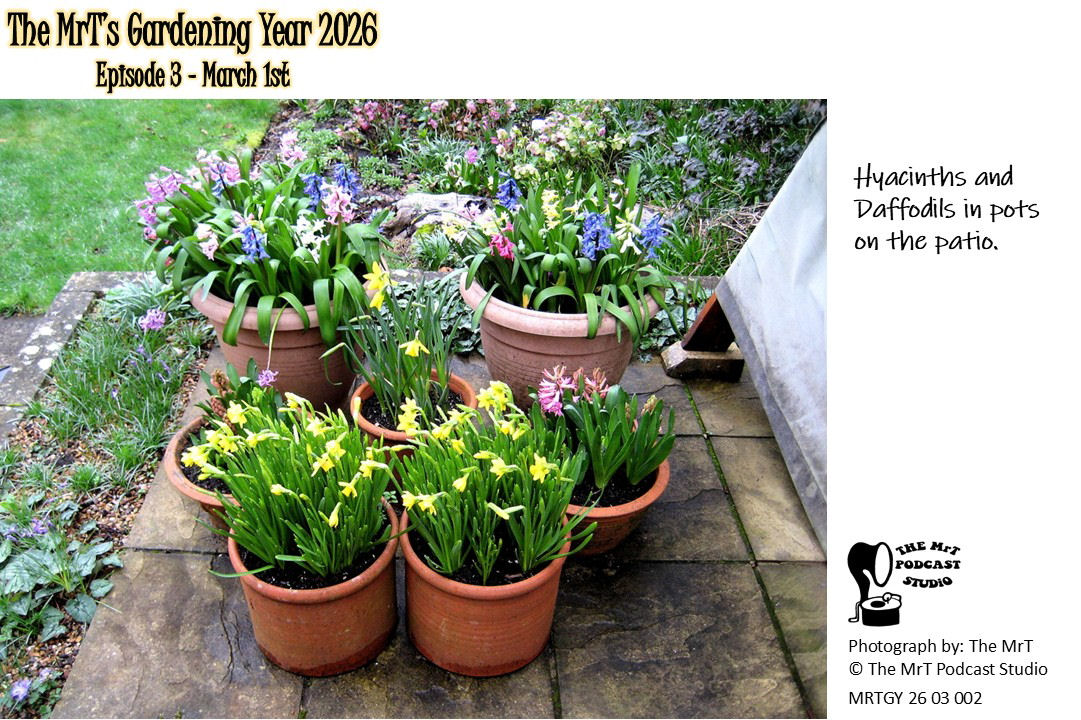
March sees the garden at its best. There are the flowering bulbs following on from the snowdrops and crocus. Magnificent yellows, whites and creams from the daffodils, vivid colours from the hyacinths and the blue and mauve of the grape hyacinths and anemone blanda.

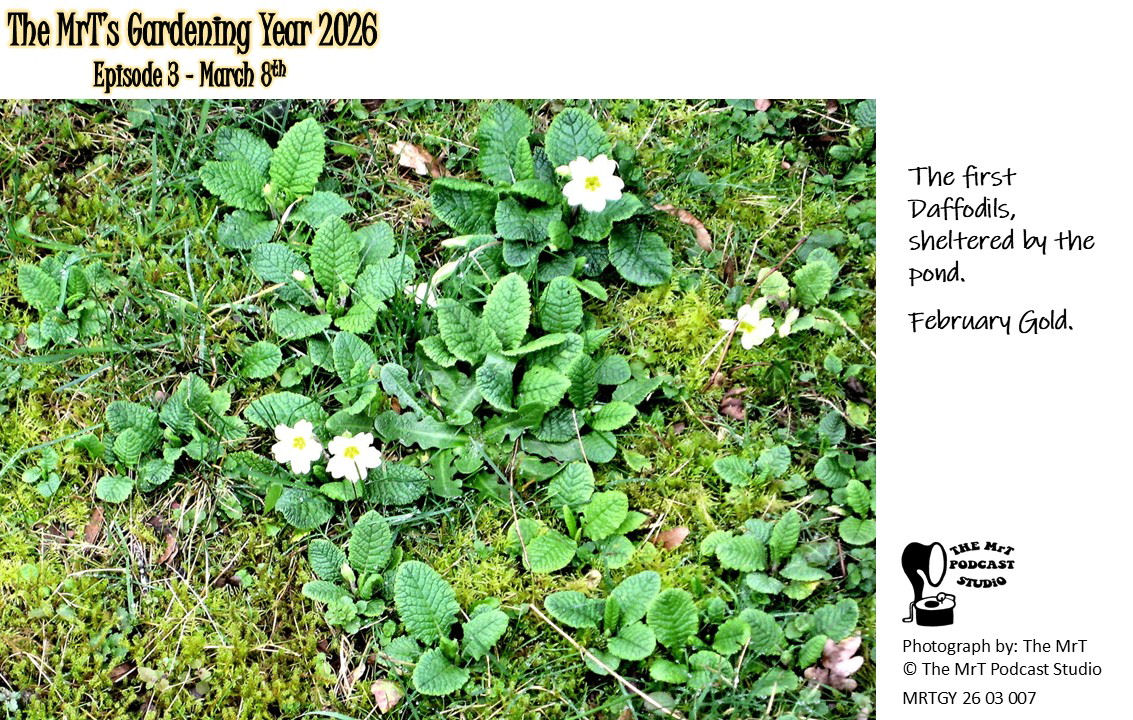
The bulbs in pots have been really magnificent and the daffodils in grassy areas have put on a much better show than in the past few years.

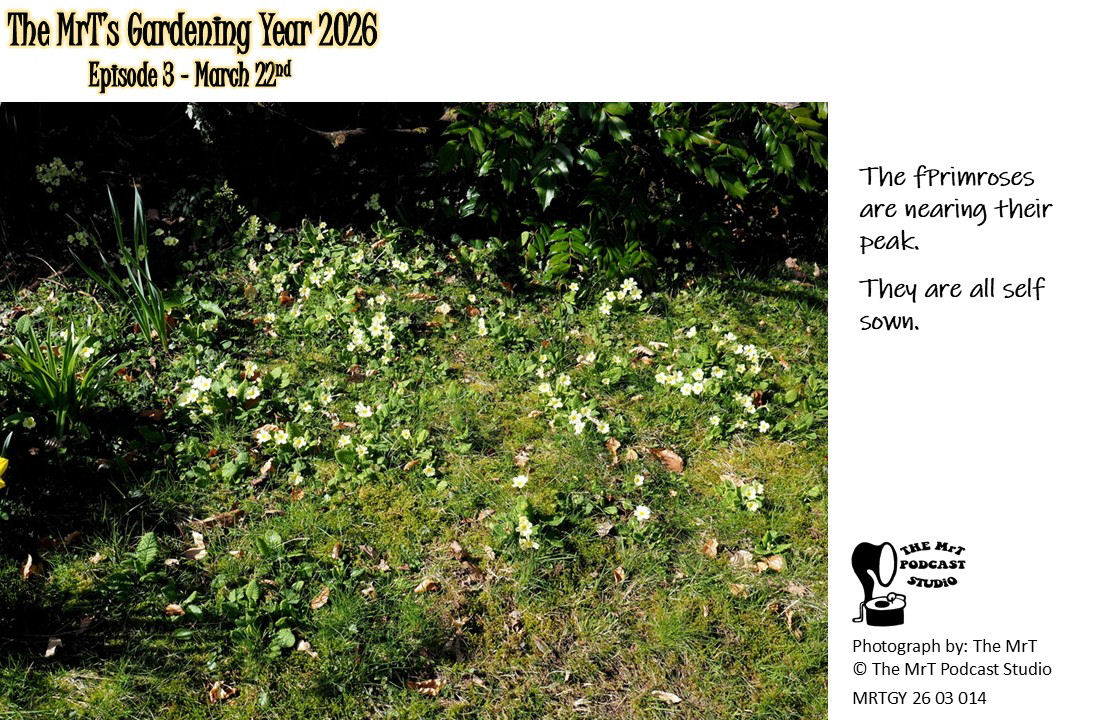
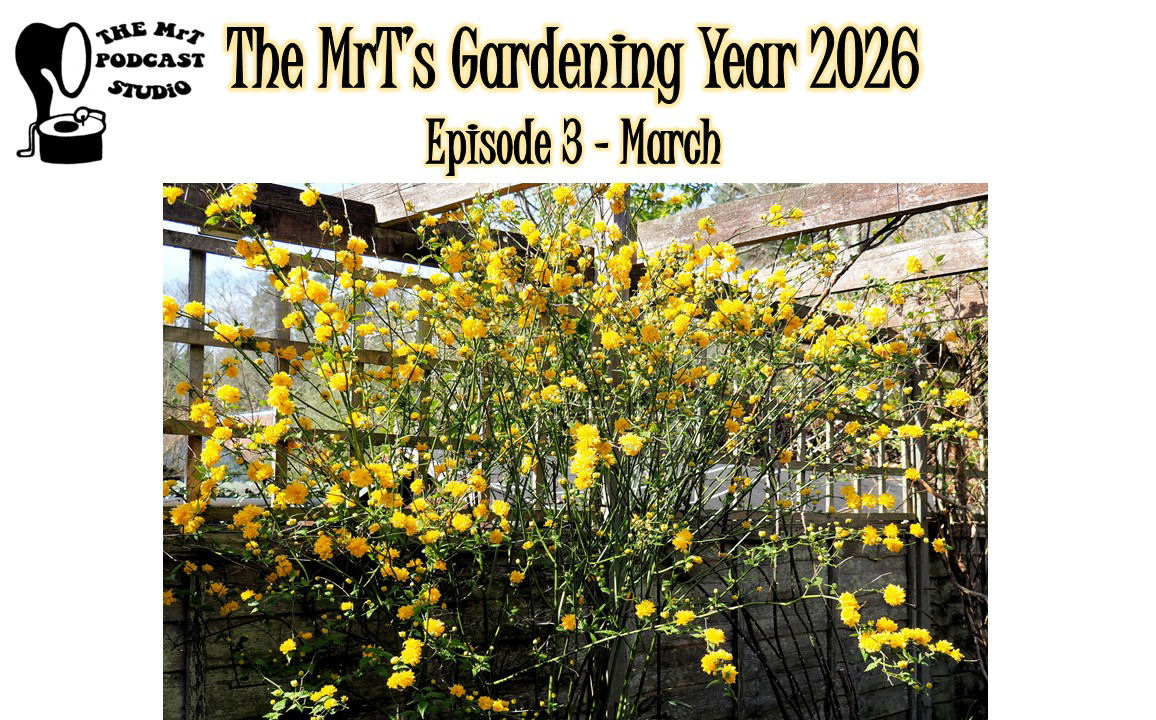
The primroses are at their peak. All self seeded and spreading beautifully. Meanwhile the Bachelors Button is a glorious mass of yellow.

Vegetables and fruit:

We’re still eating last year’s carrots. We need to get them finished so that I can clean out and disinfect the raised boxes that I grow them in to minimise the damage caused by carrot fly. Once that is done I can fill them with new compost and sow this year’s seeds.

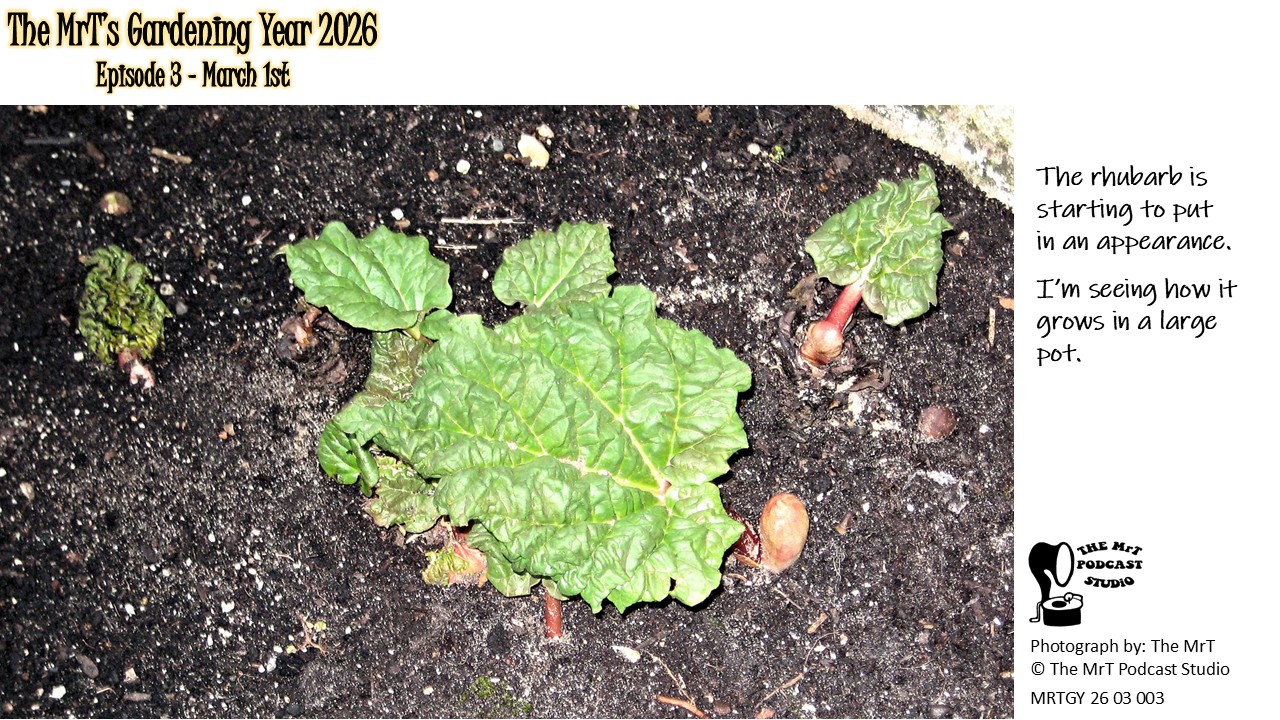
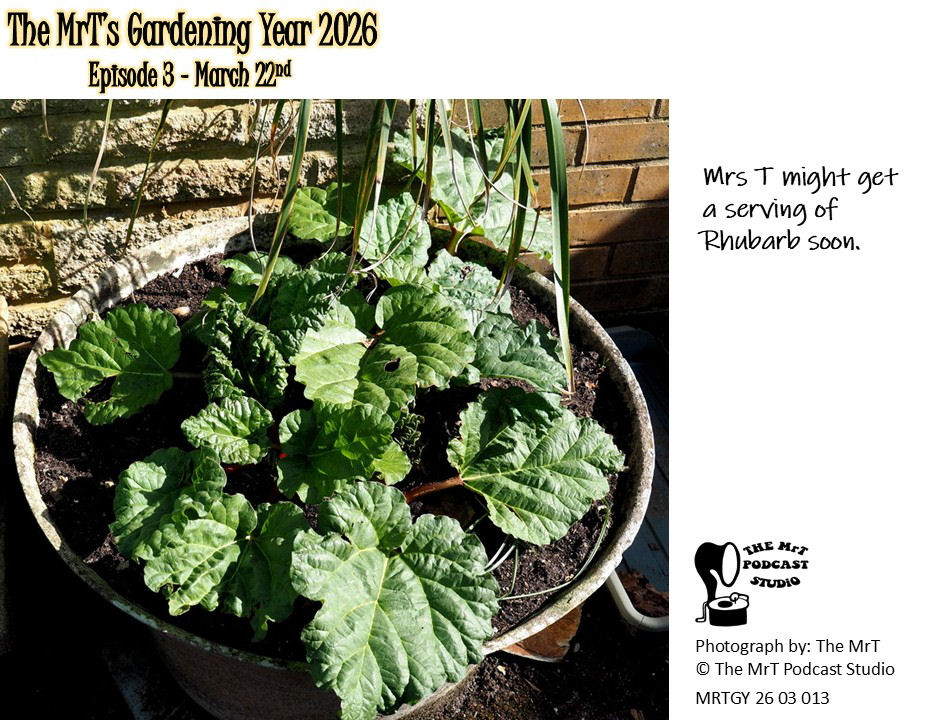
The rhubarb is growing well in it’s pot. Mrs T may well have a serving of rhubarb in the near future. Personally I can’t stand rhubarb!

Elsewhere in the garden:

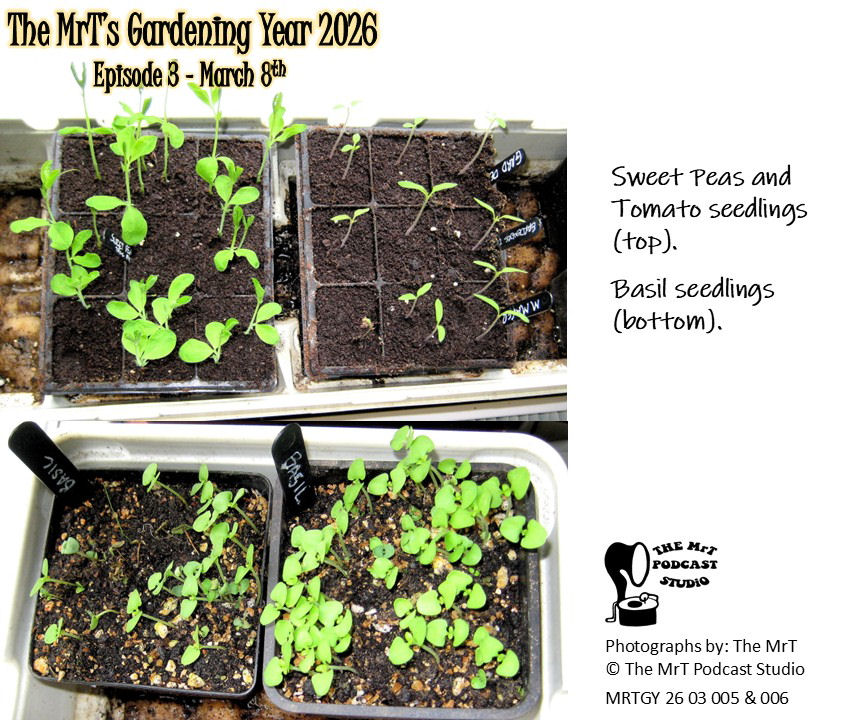
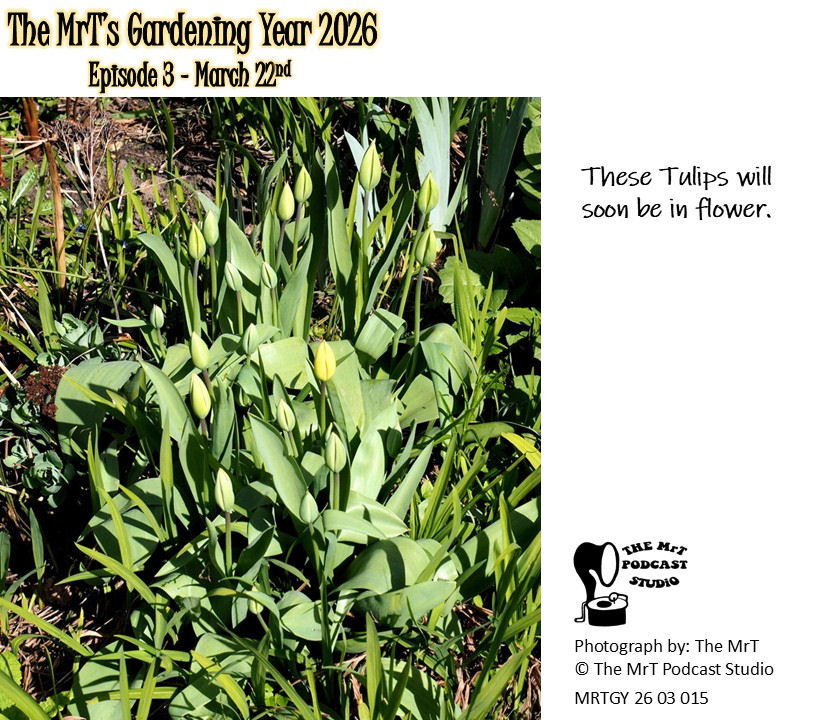
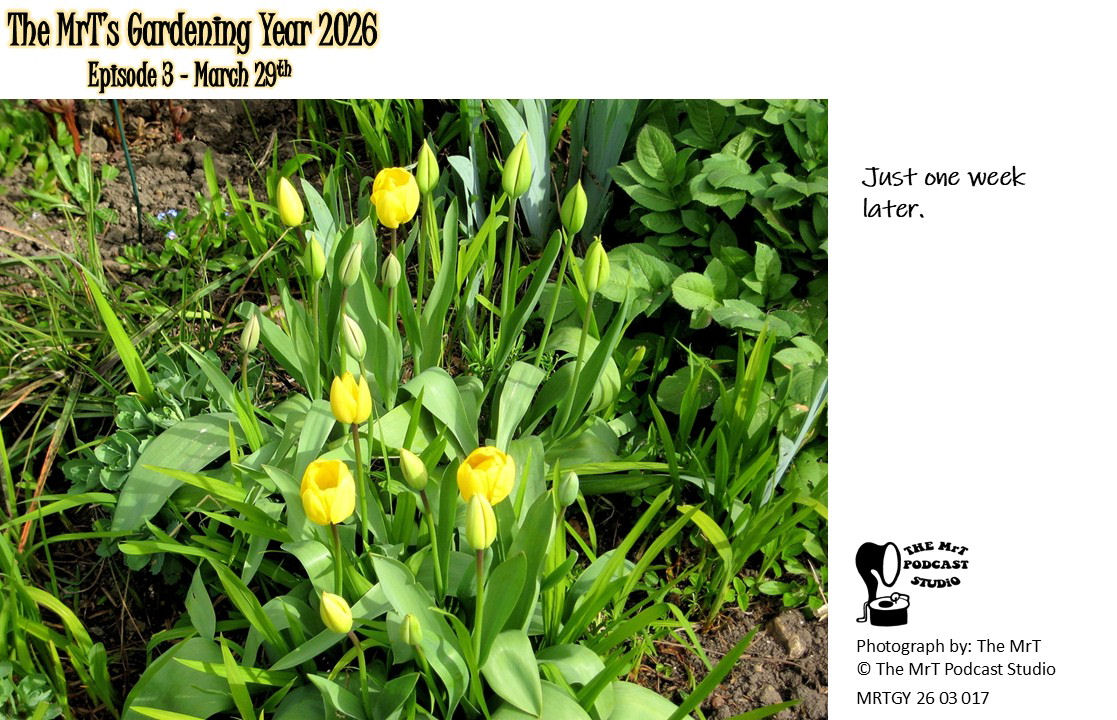
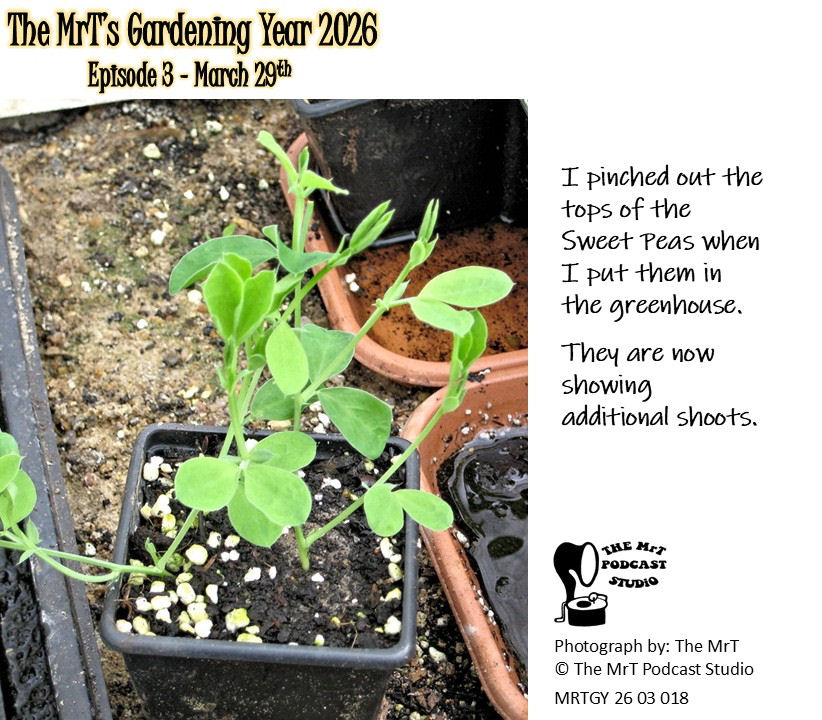
The sweet peas are hardening off in the cold frame and the tulips in our main border are promising a good show this year.

Listen to the podcast to hear all about my gardening month.

This podcast is also available through Amazon MusicApple PodcastsCastbox, PodchaserSpotify, YouTube and others.

Music:

AKM Music licenses Horticulture for use in this podcast.

UKRJ S2 Ep 16 On to Kilmarnock

On to Kilmarnock  –  UK Rail Journeys Series 2 – Episode 16

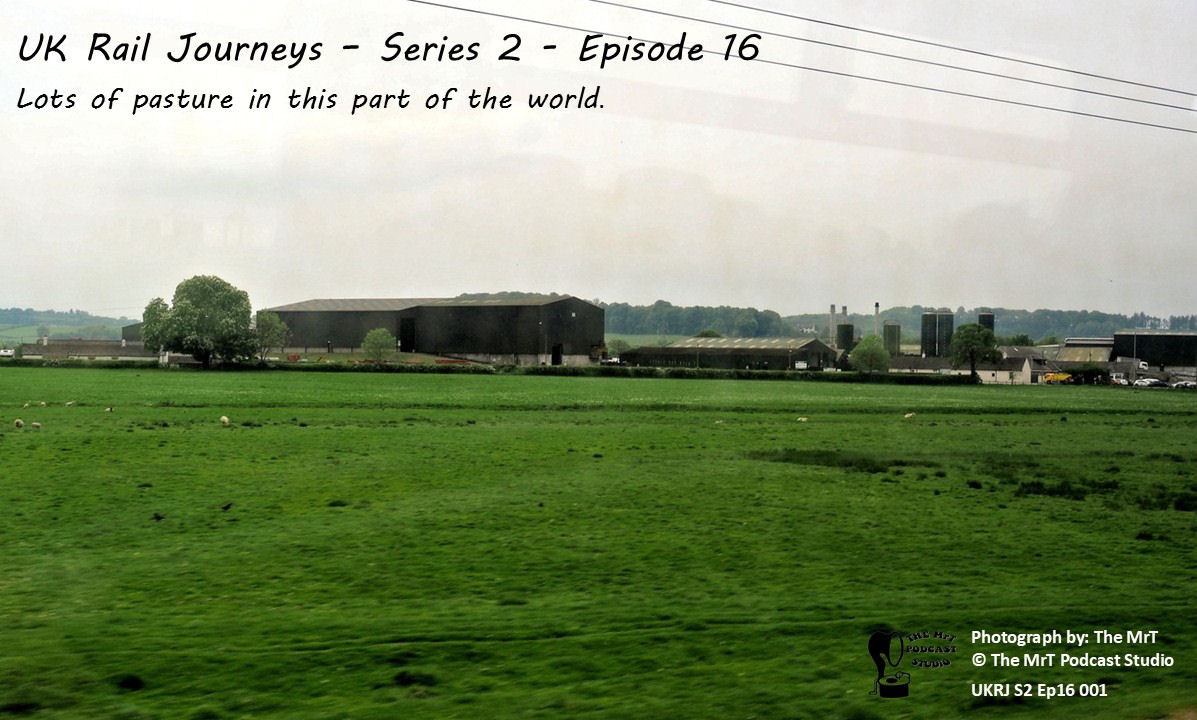
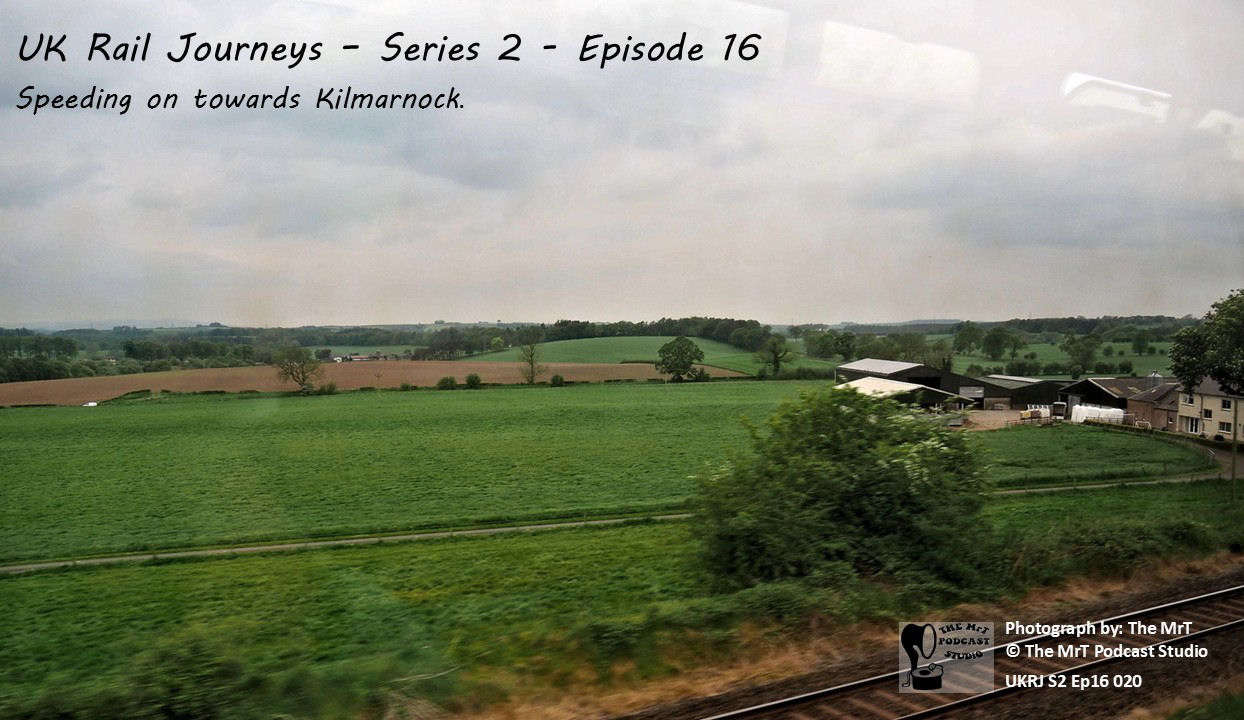
In ‘On to Kilmarnock‘ I continue my journey through the Scottish lowlands on a ScotRail Class 156 Super Sprinter.

Please click on a thumbnail to see the photographs that go with the podcast:
Dumfries – the ‘Queen of the South’:

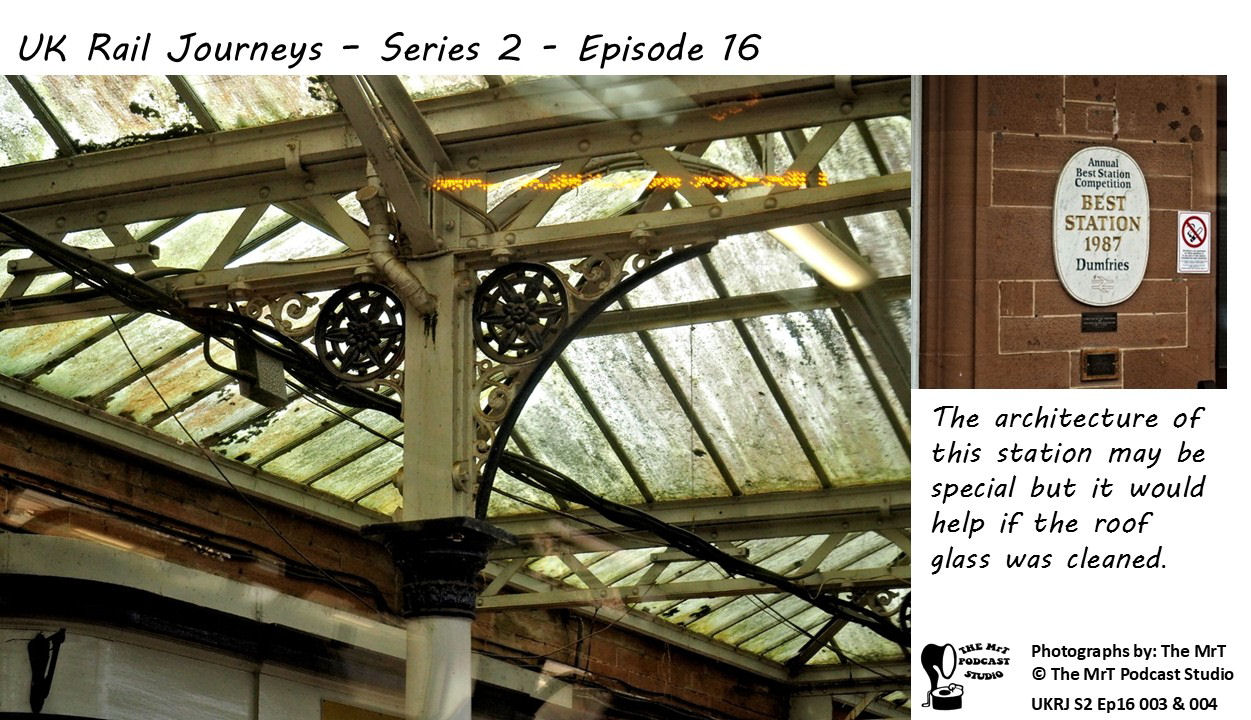
The red sandstone station is in an Italianate style. Opening in 1848 it it has a category B listing from Historic Scotland. In 2022 / 23 the station hosts 291,000 passengers.

In 1935 Carnation opened an evaporated milk factory. Three units produced  tin cans, evaporated milk, and, more recently, Coffee mate. A private siding for arriving milk trains and departing products.

Coffee Mate production ceased in 2000.

Across from the station there is the equally magnificent Station Hotel in Lovers Walk. It is in the Gothic style, with a central wooden tower providing the ventilation for the hotel’s mechanical heating system. It dates from 1897.

On opening there were twenty-nine bedrooms and a billiard room. The hotel’s laundry went by train to the Glasgow St Enoch Hotel for washing. The hotel also has a category B listing.

Dumfries in literature:

We’re in Burns Country and Robbie Burns dominates Dumfries. A walk into the town centre takes one to Burns Statue Square with the white Carrara marble statue of the poet. Then there is the modest Burns House and the Burns Mausoleum.

J.M. Barrie, writer of Peter Pan, went to Dumfries Academy. He and his friends played in ‘Neverland’ around the Georgian house at Moat Brae.

Meanwhile Dumfries station features in John Buchan’s ‘The Thirty-Nine Steps‘. Richard Hannay flees from London and buys a ticket from St Pancras to Newton Stewart. He changes at Dumfries to catch a slow train to ‘Galloway’.

The River Nith:

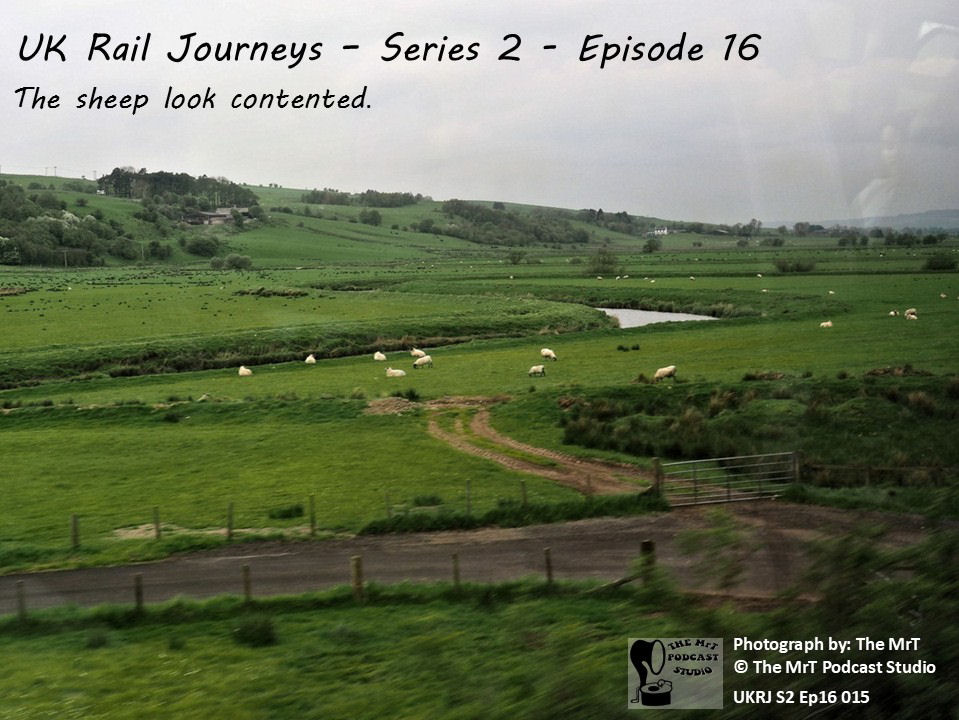
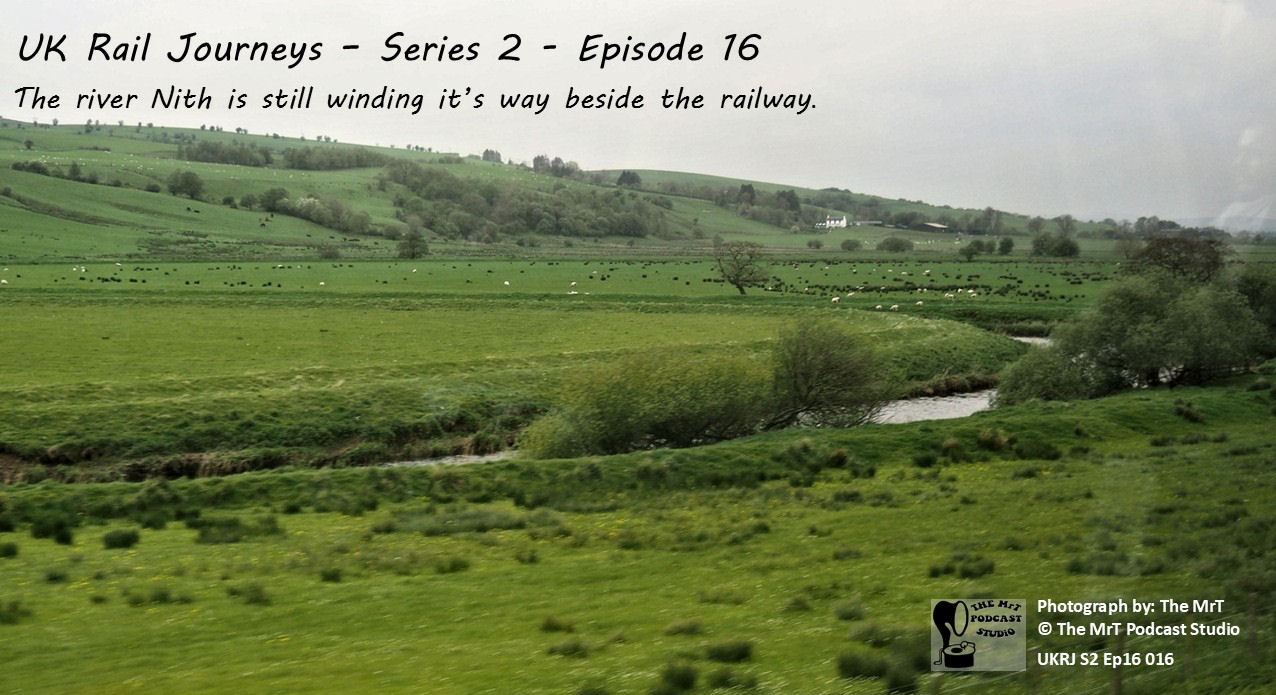
We follow the winding River Nith for around thirty-seven miles. Around six miles north of Dumfries we encounter Portrack Viaduct, a notable river crossing. Today’s red viaduct, a replacement, dates from December 2013.

We pass a short section of the original track with a former National Coal Board diesel shunting engine on it. It is part of the late Charles Jencks ‘Garden of Cosmic Speculation‘. The gardens are only open to the public on one day each year.

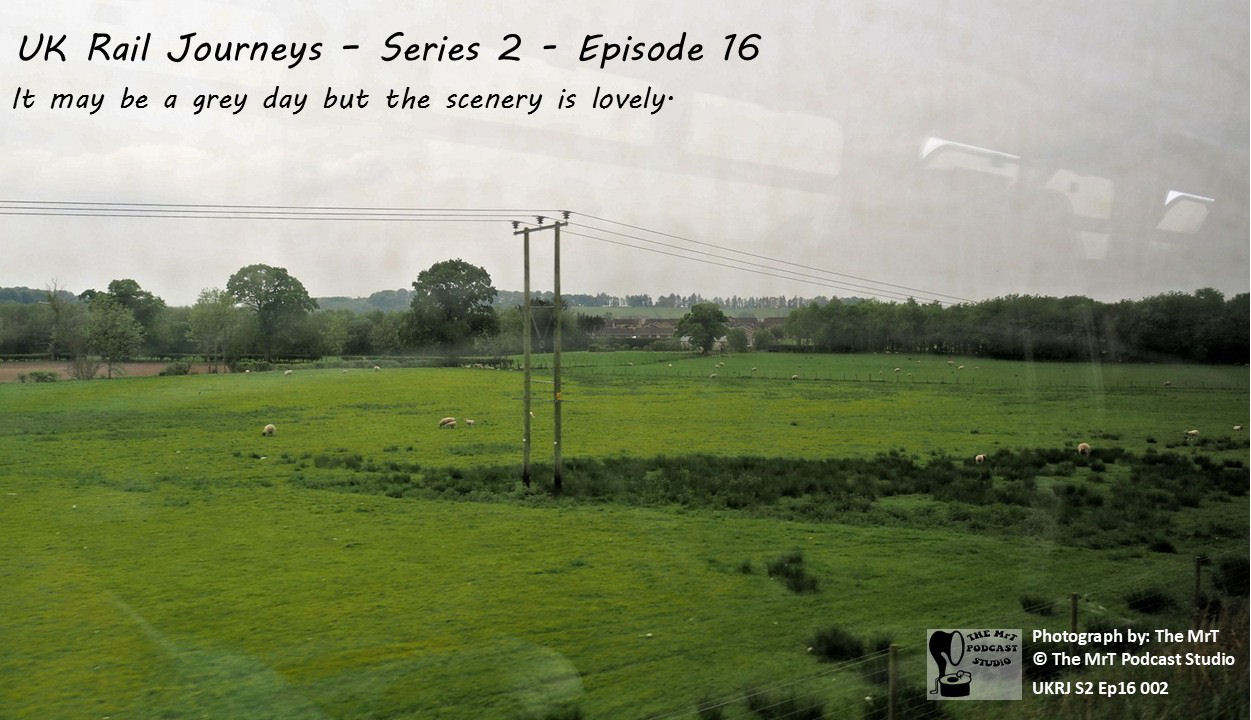
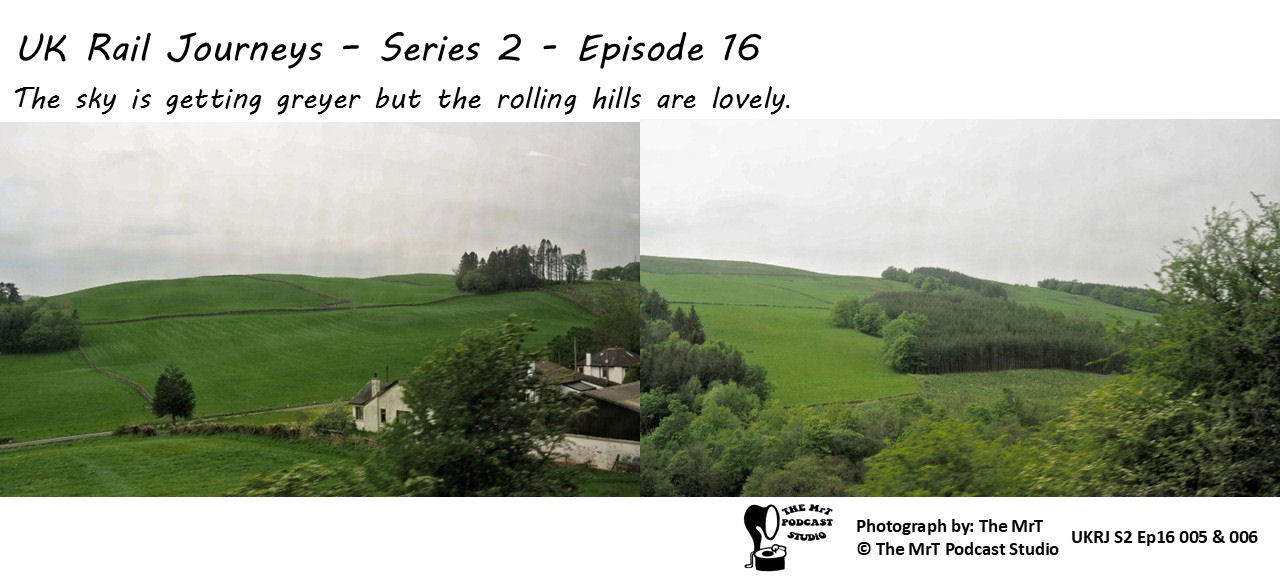
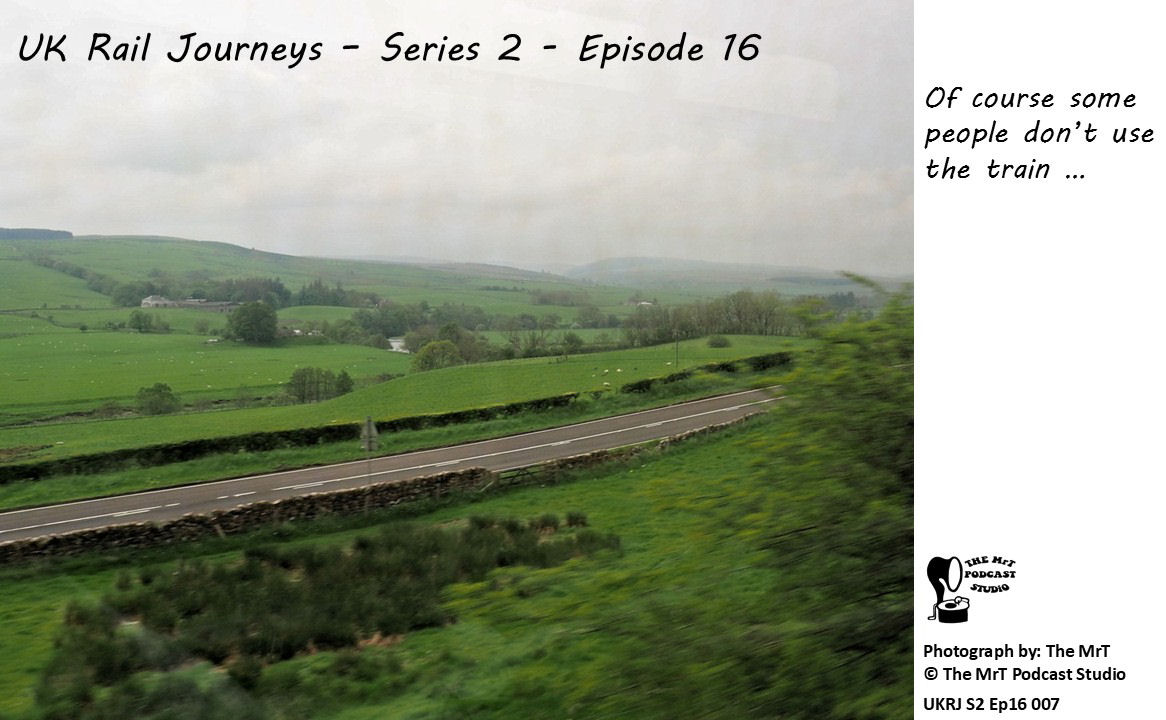
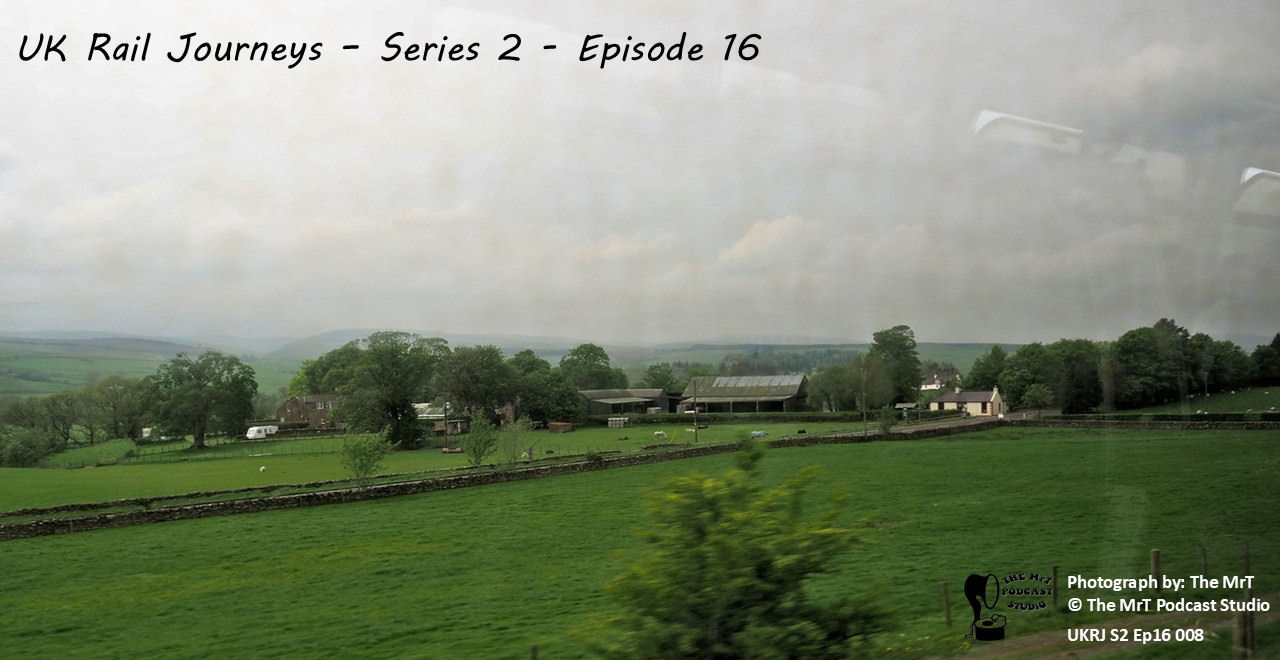
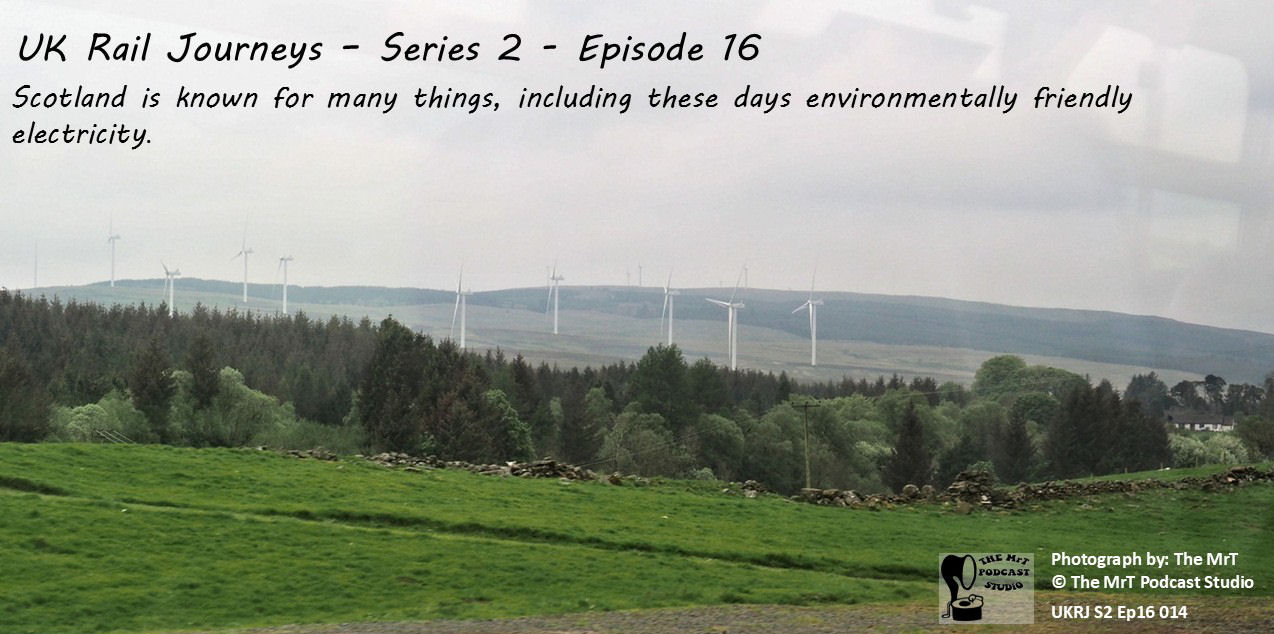
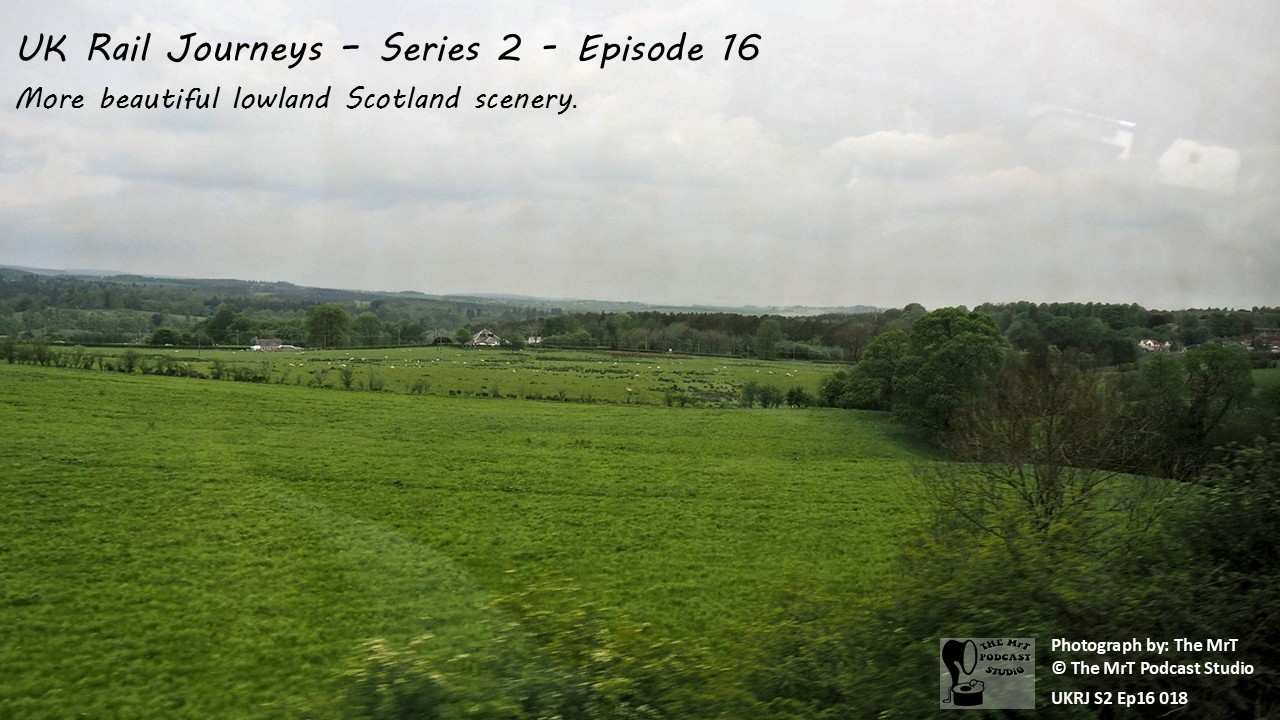
We wind along the path of the River Nith through wooded gorges and red sandstone hamlets. It is no wonder the Thames Clyde route was renowned for its scenery.

On to Kilmarnock:

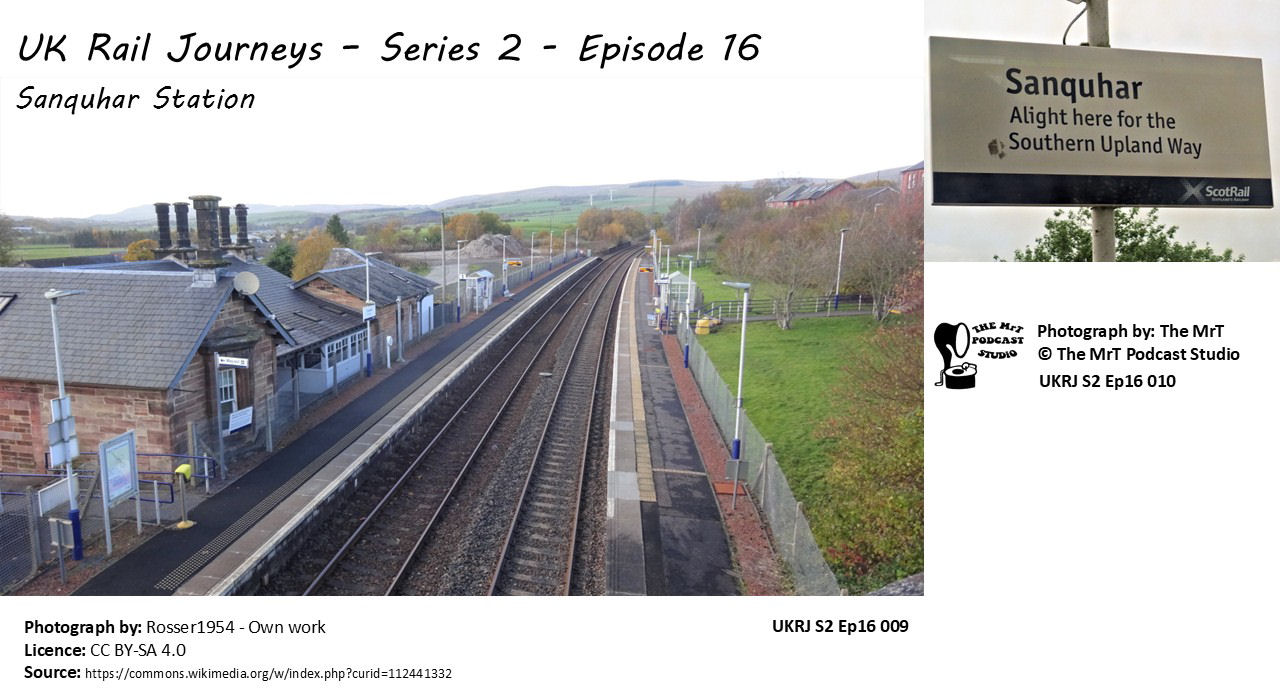
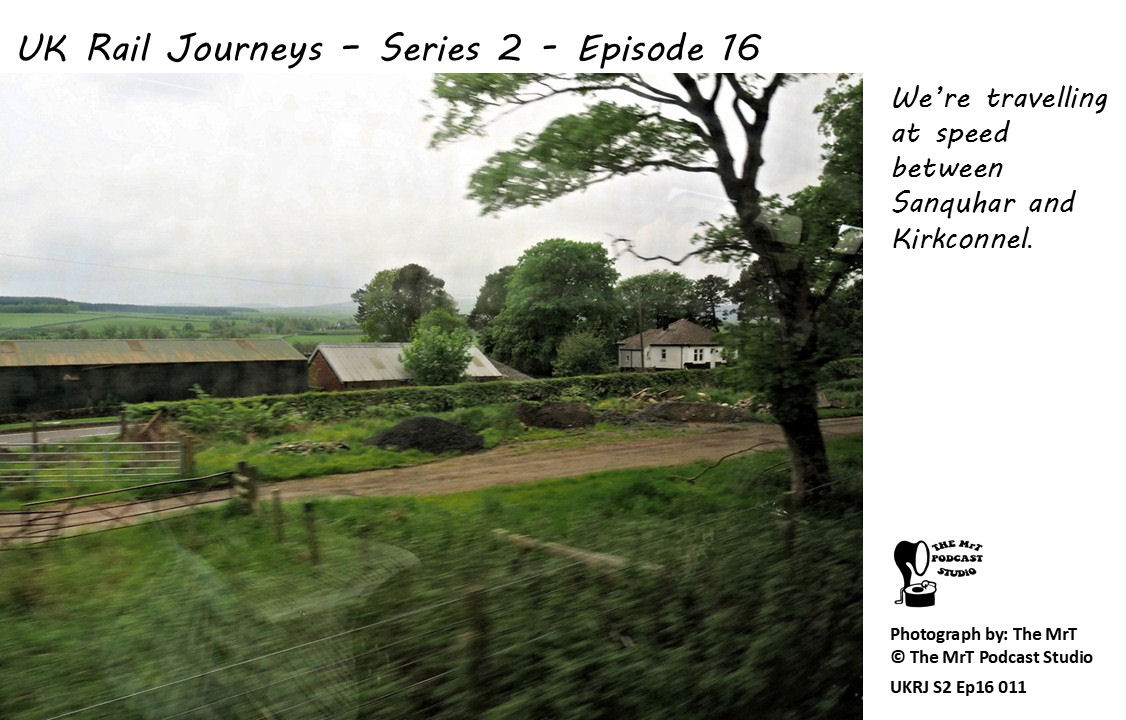
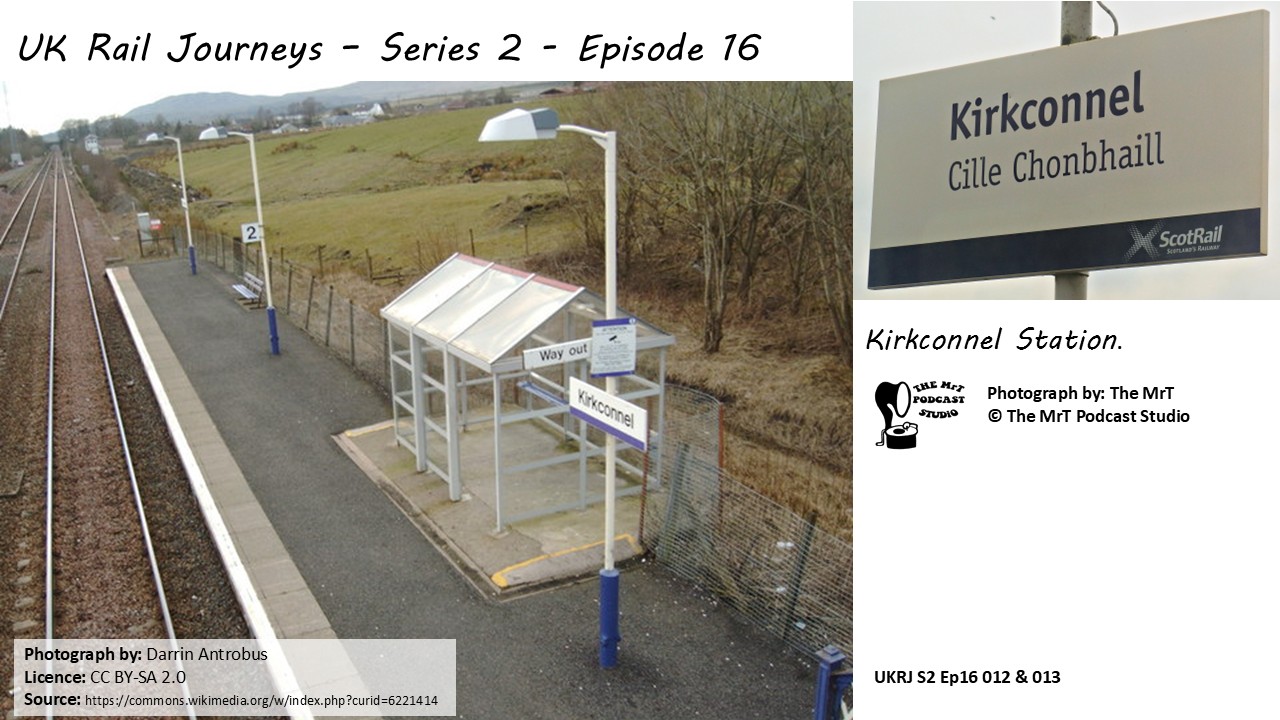
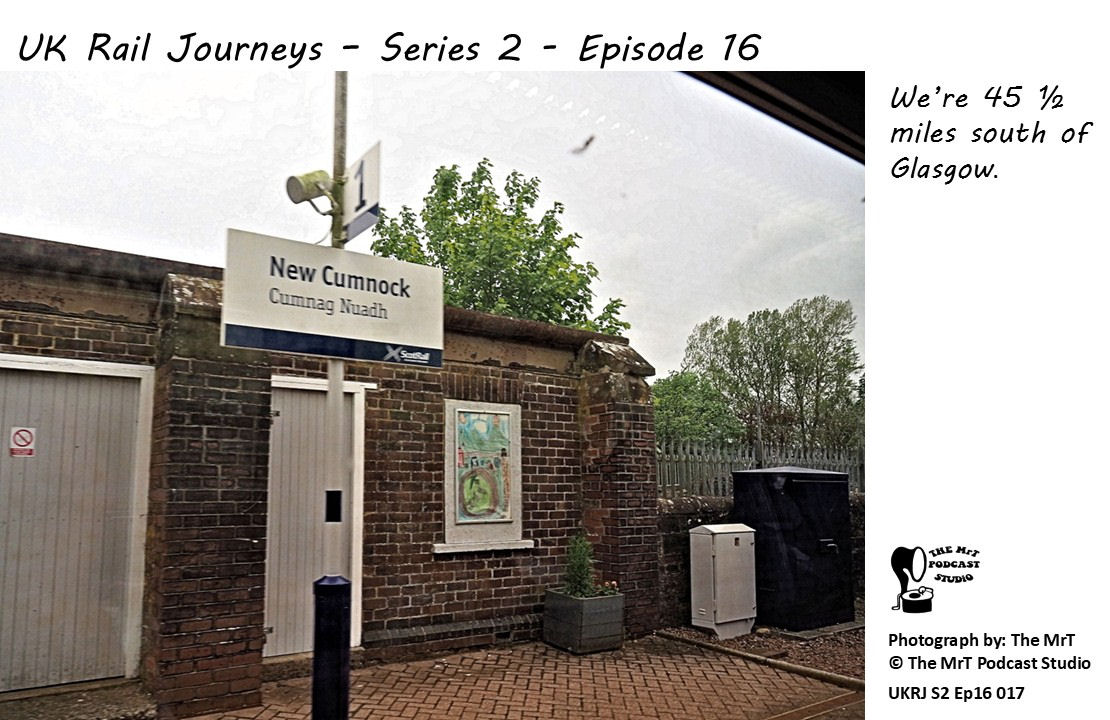
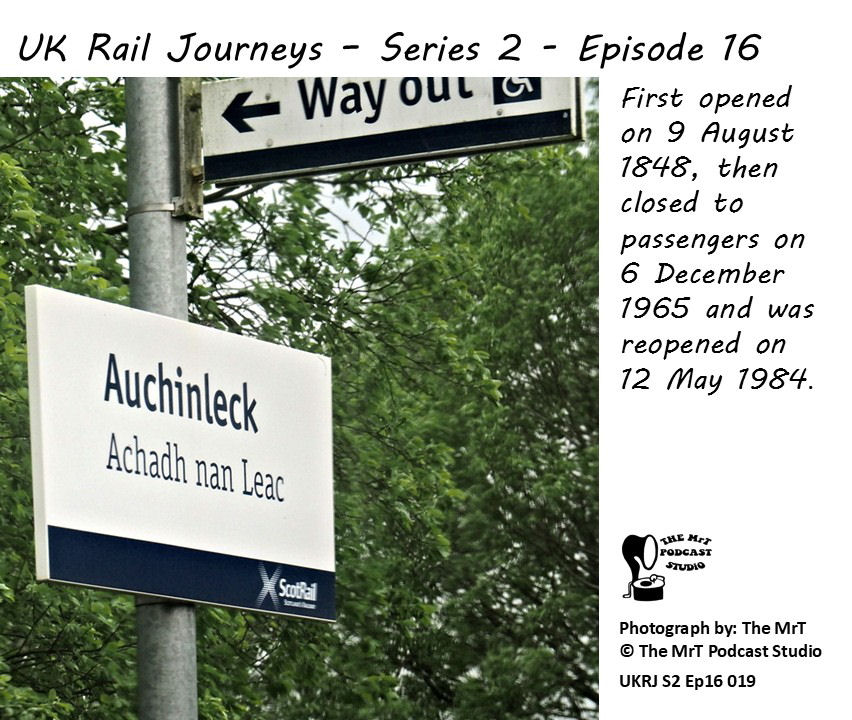
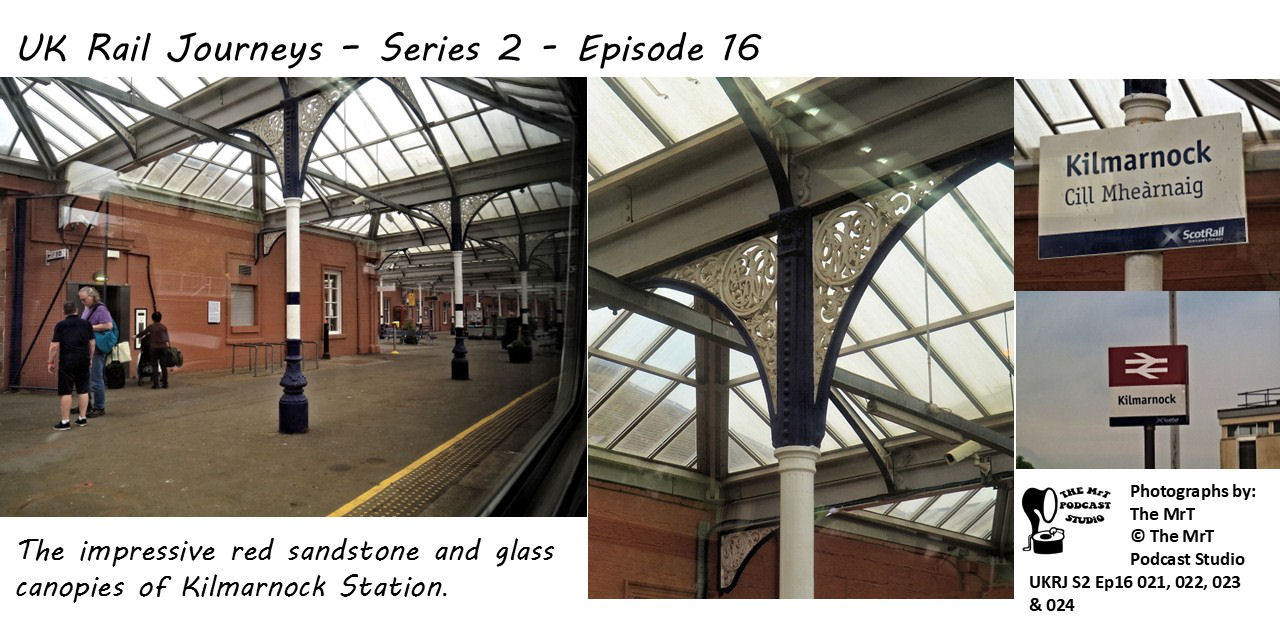
We pass through Sanquhar, Kirkconnel, New Cumnock and Auchinlek on our way to Kilmarnock.

Listen to the podcast to hear more about the journey through the Scottish lowlands.

This podcast is also available through Amazon MusicApple PodcastsCastbox, PodchaserSpotify, YouTube and others.

Music:

AKM Music licenses Steam Railway and Finding Strength for use in this podcast.
TH2025 01 Post Napoleonic France

Season 2025 – Talk 01 – Post Napoleonic France

In ‘Post Napoleonic France’ Peter Duffy tells us about the political difficulties in France in the 19th Century. He draws on Les Miserables by Victor Hugo and the Count of Monte Cristo by Alexander Dumas to show the parallels between the fact and fiction.

Scope:

The talk covers the period in France’s history between 1814 and the final collapse of the monarchy in 1848, and the formation of the Second Republic.

The time between the Bourbon restoration and the July Monarchy is a period that is often ignored when students rush from studying the French Revolution and Napoleon and then on to the Second Republic and Louis Napoleon. They often pay little attention to the intervening years.

A foundation for French history:

Peter tells us that this is a foundational period in the French story. A time when France colonises itself, extending the control of Paris over the rest of the country. They achieve this by extending the roads and introducing rail.

The most important factor is the development of a school network. A national education system with a national language. Before this, France had many regional dialects.

Social relations and divisions form; these are still active in France today. Recent elections illustrate this. Splits are the heart of political and social France, with roots from this period.

Victor Hugo and Alexander Dumas:

Both in their different ways are forceful commentators on the ills that they see in the France of this period. It is this period that gives their stories structure and meaning.

Understanding this period in France helps us understand attitudes in France today.

Listen to Peter tell the story.

About this podcast:

This is an edited recording of a talk given to the Farnham u3a World History: Ancient, Medieval and Modern  Group.

This podcast is also available through Amazon MusicApple PodcastsCastbox, PodchaserSpotify, YouTube and others.

AKM Music licenses Media Magazine for use with this talk.

© The MrT Podcast Studio and Farnham u3a World History: Ancient, Medieval and Modern Group 2018 – 2026