MRTGY 2026 04 April

April  –  MrT’s Gardening Year 2026 – Episode 04

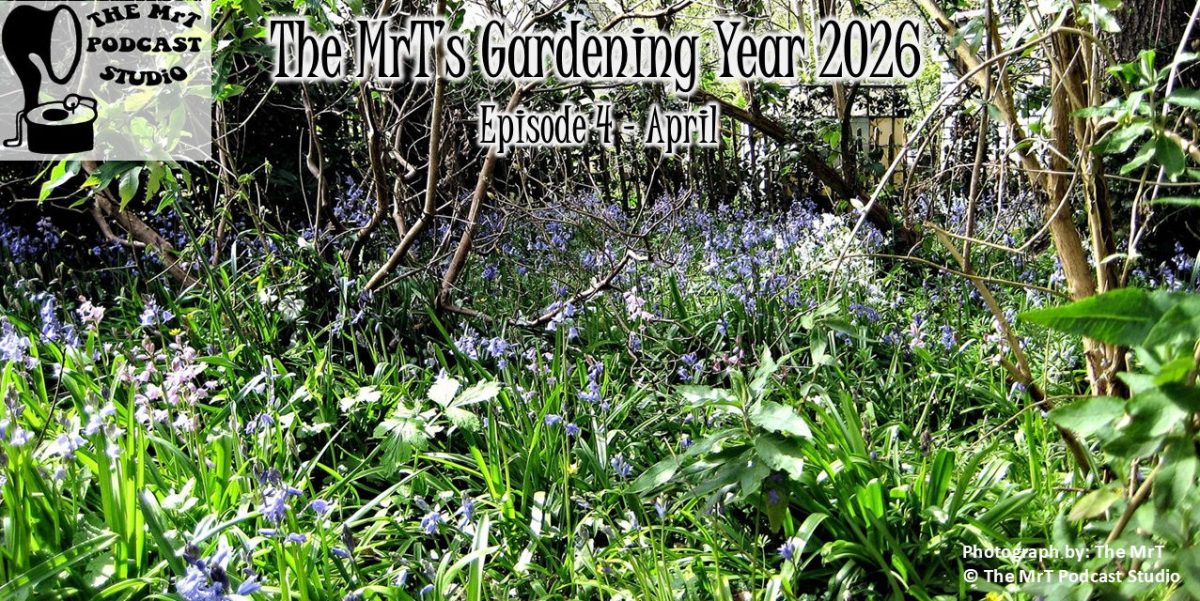
April, the time where the garden changes from flowering bulbs to flowering shrubs.

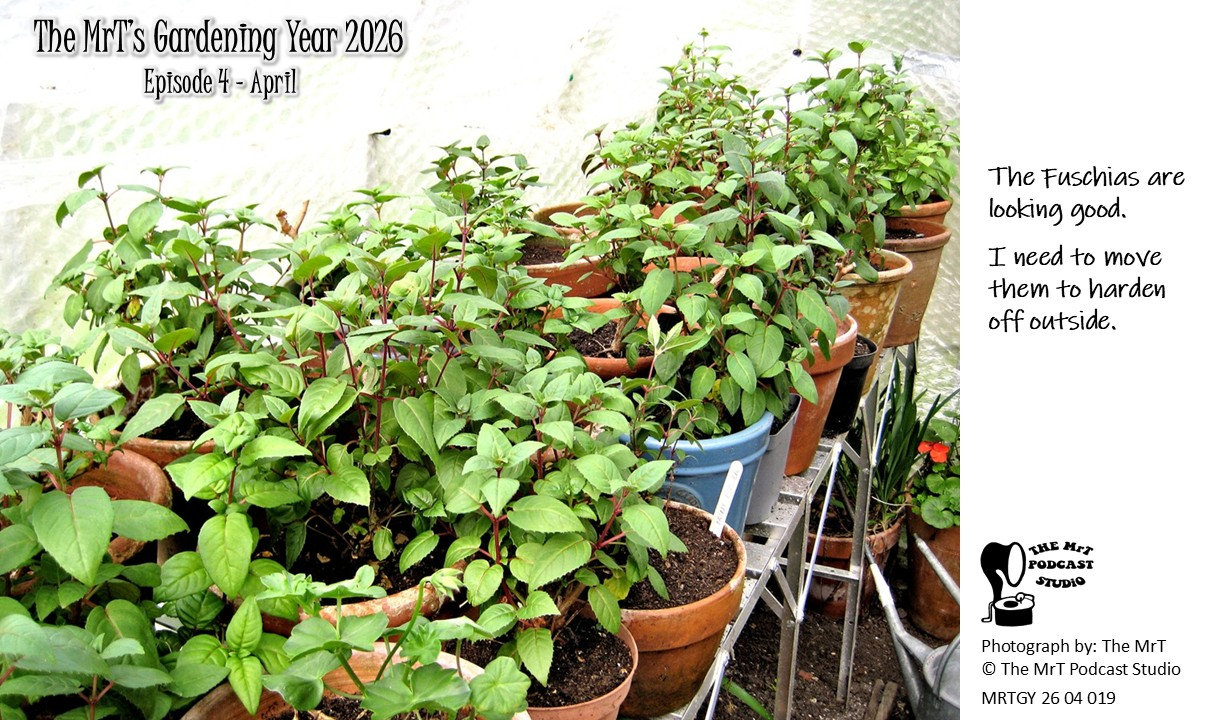
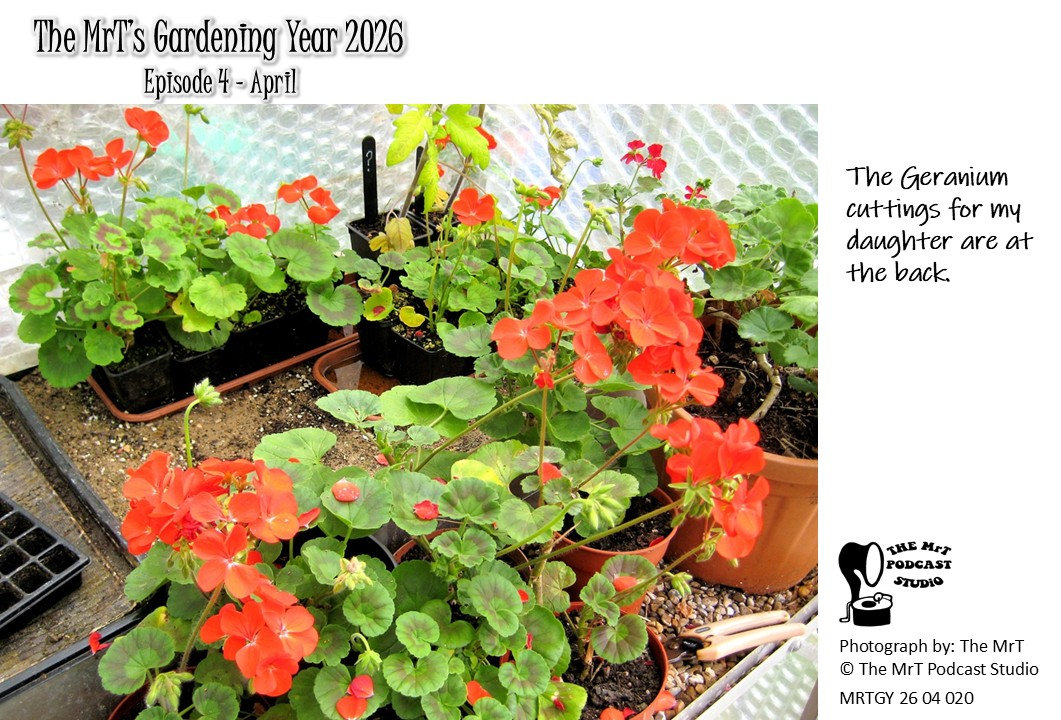
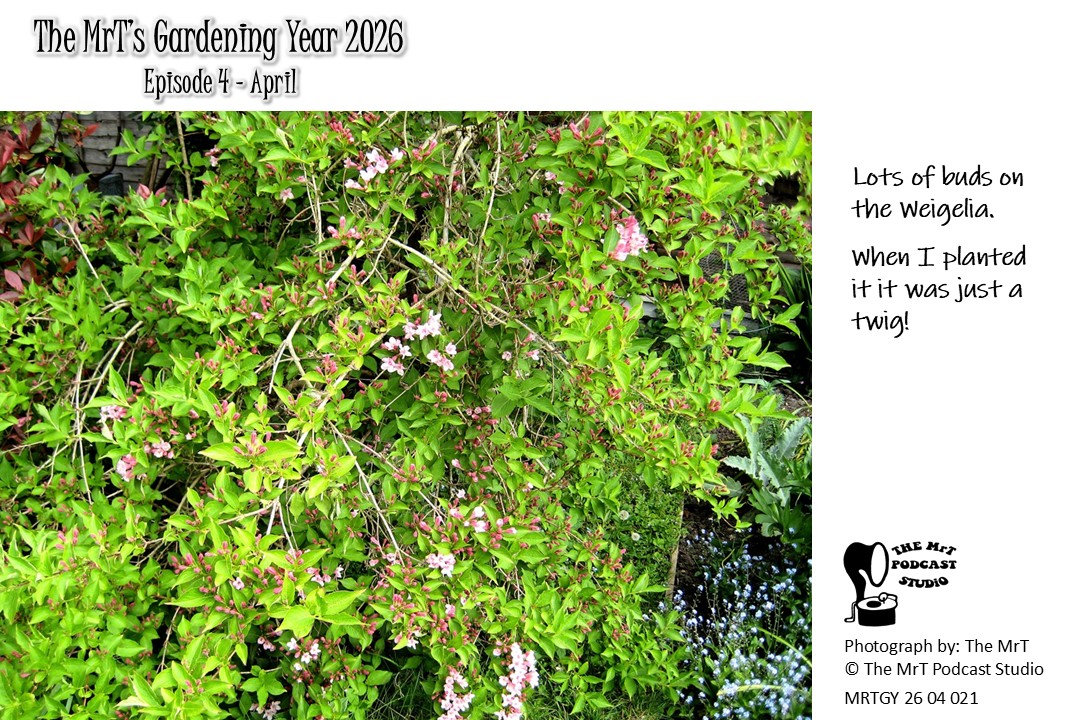
Please click on a thumbnail to see the photographs that go with the podcast:
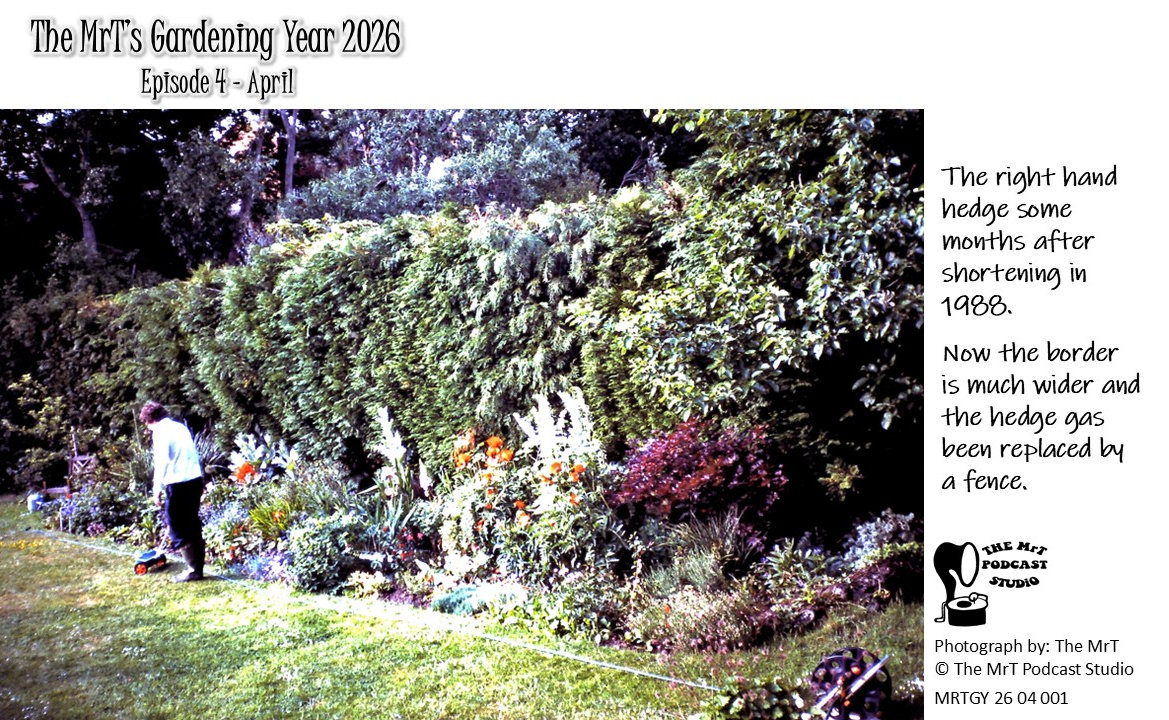
Still dry:

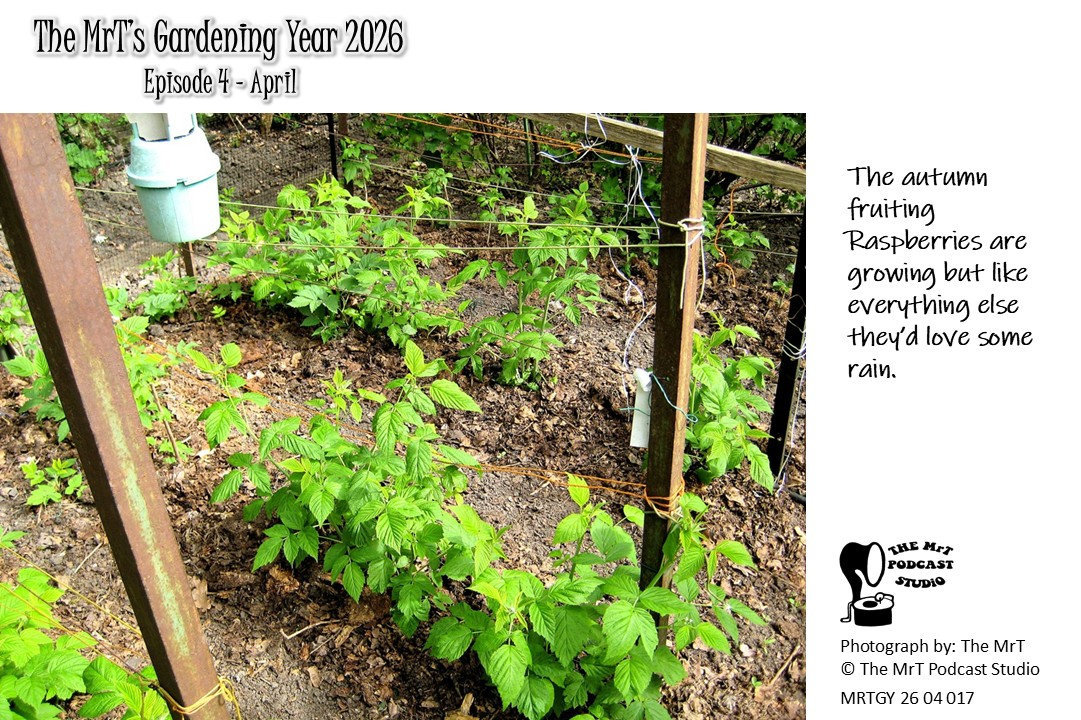
There has been sunshine, some very warm days but very little rain. Any rain has been completely ineffective!

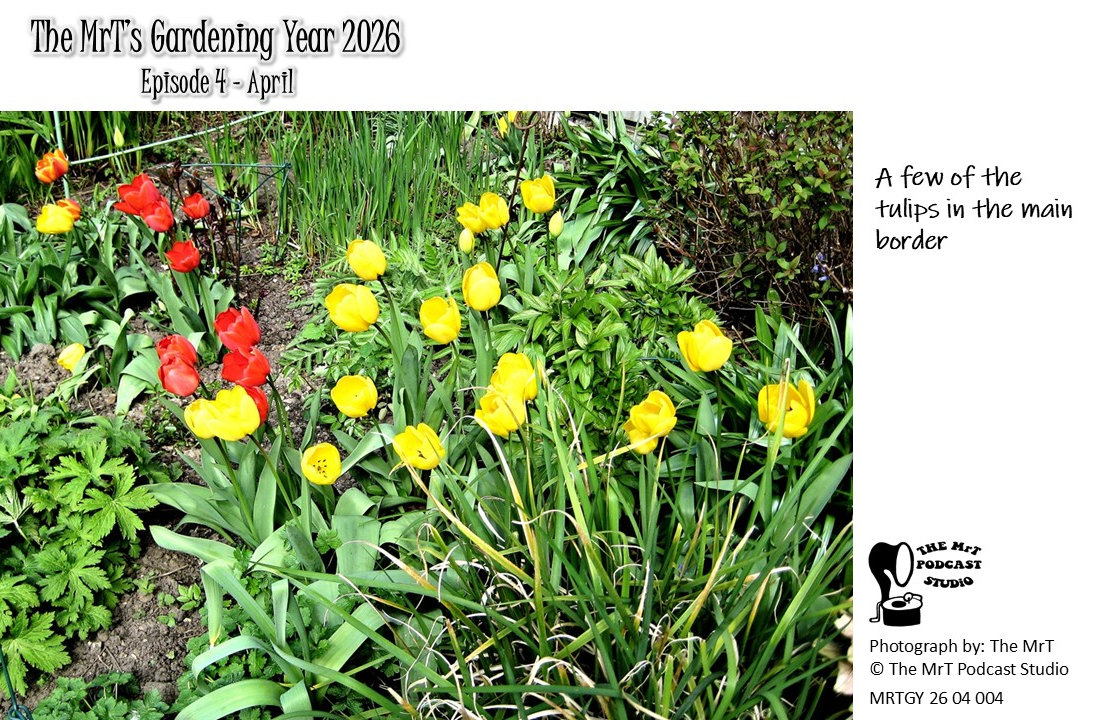
April brings the change from the bulbs that welcome spring to the flowering shrubs that mark the next phase in the garden. There are wonderful late tulips in the border, flowering very well this year. Last year nothing!

Many of the daffodils quickly fade, particularly in warm, dry weather, and I’m kept busy deadheading them to stop them wasting their energy producing seeds. Hopefully they’ll put on a show next year.

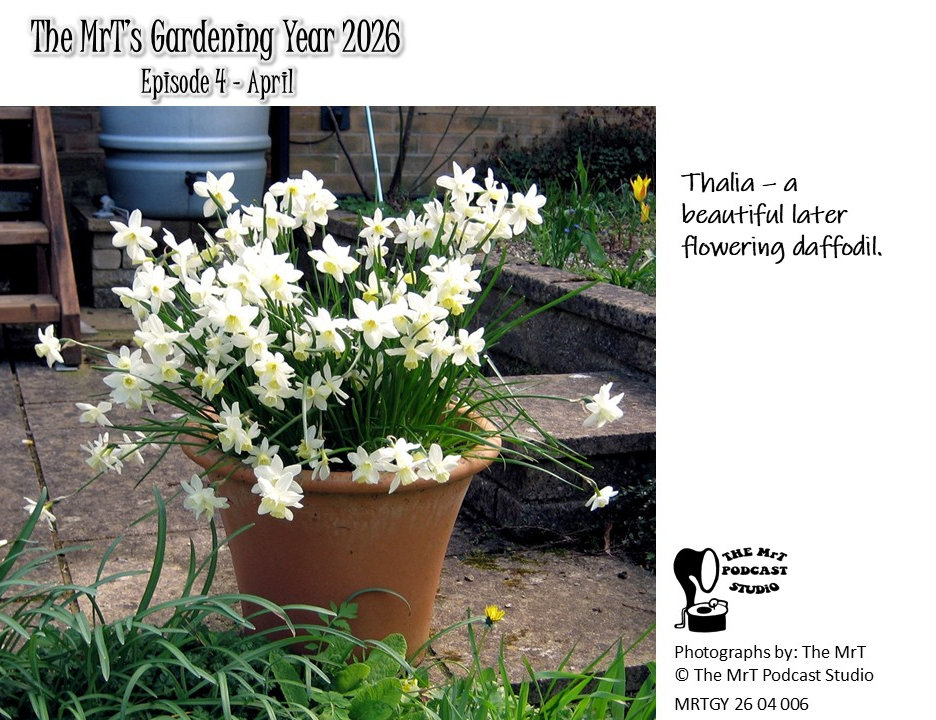
The Narcissi in pots go on a little longer, the varieties Thalia and Sunlight Sensation seem to be the latest flowering.

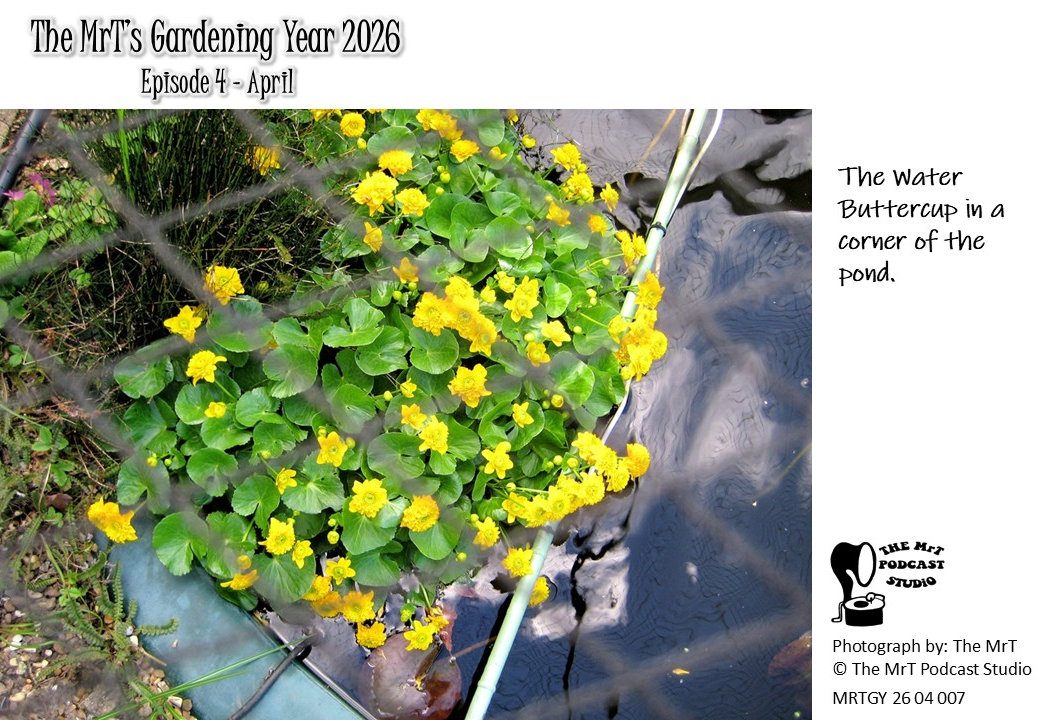
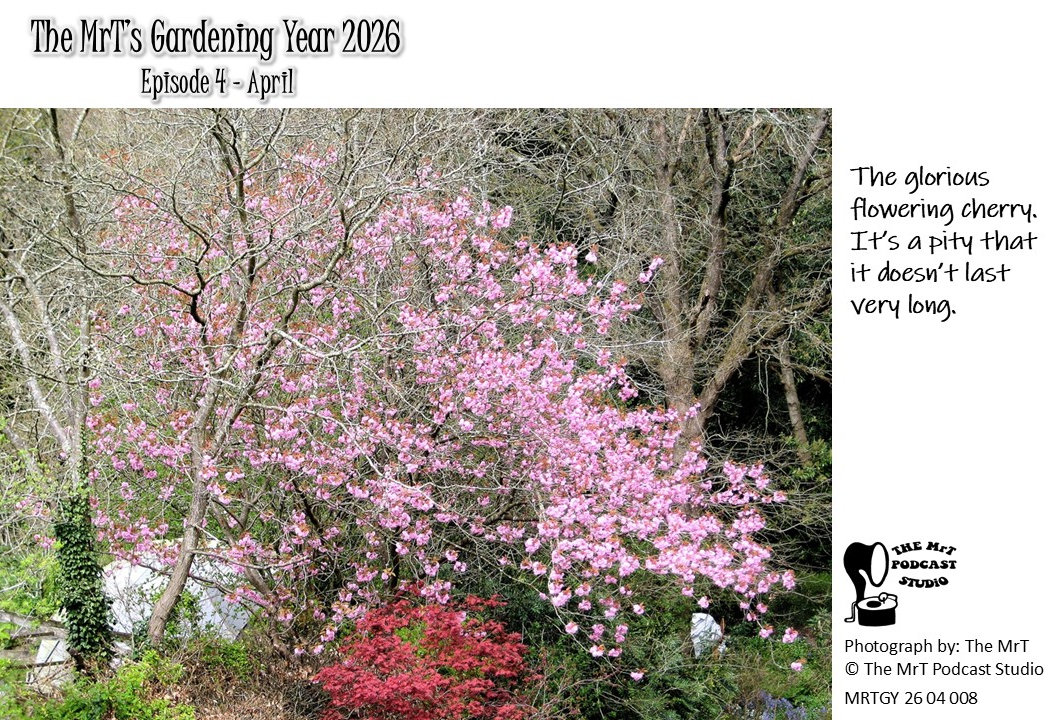
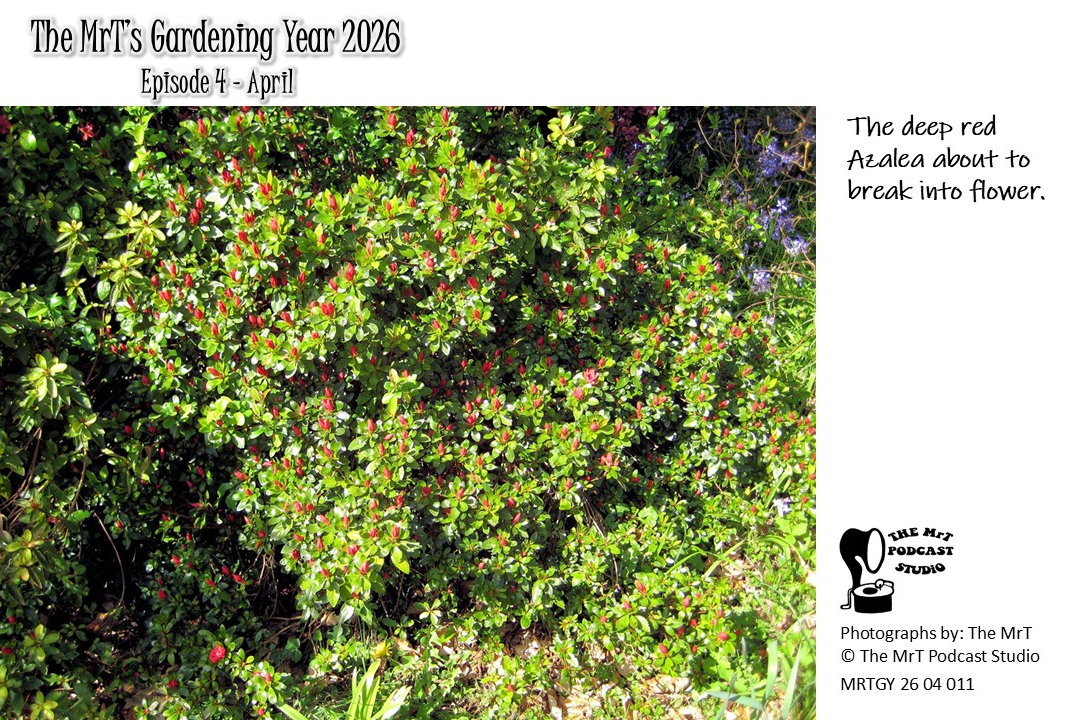
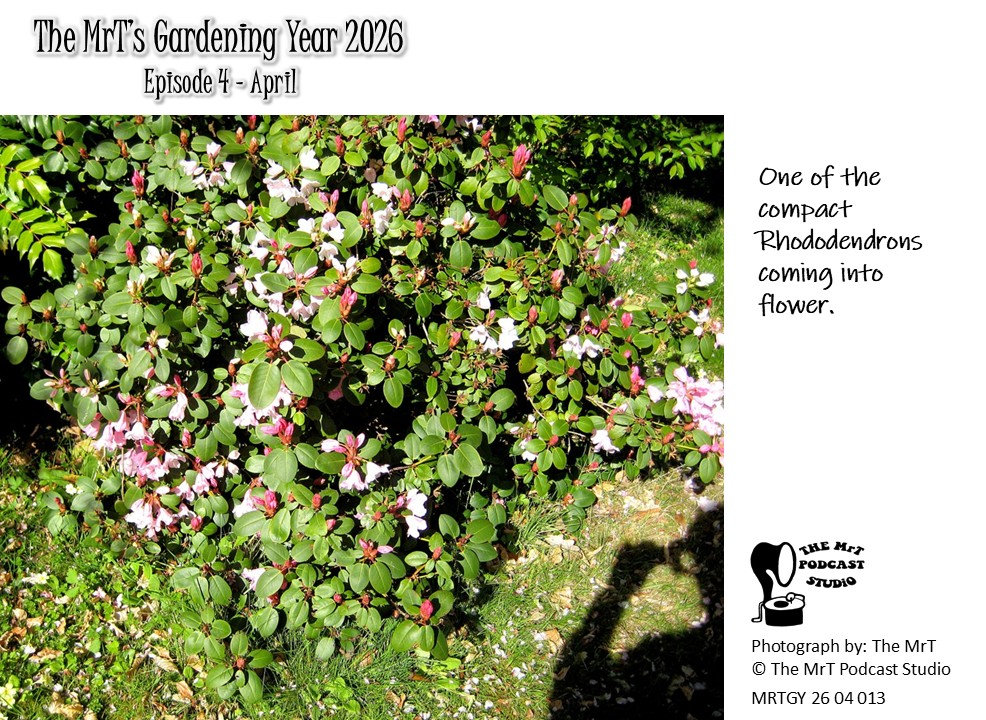
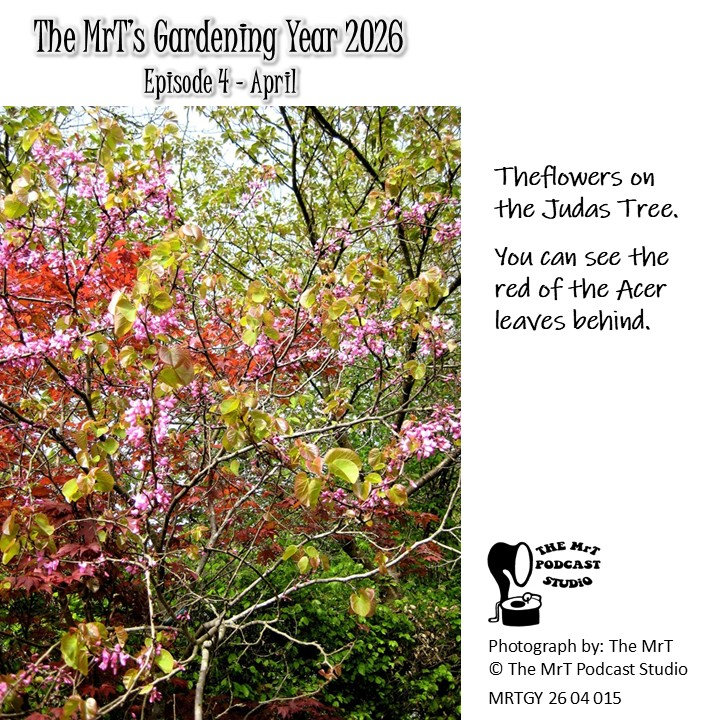
The water buttercup in the pond is wonderful at this time of year, and the flowering Cherry is at it’s peak for it’s all too short flowering. Azaleas and Rhododendrons are in bud, readying themselves for a wonderful show over the next month.

Vegetables and fruit:

A third sowing of lettuce, maybe these will succeed; the last two have been eaten by the slugs and snails. The rocket is doing well. These are last year’s plants. Its a particularly peppery variety.

The spinach (leaf beet) is growing well. I’ll need to keep it harvested to stop it bolting. Hopefully we’ll keep it going for another month.

Elsewhere in the garden:

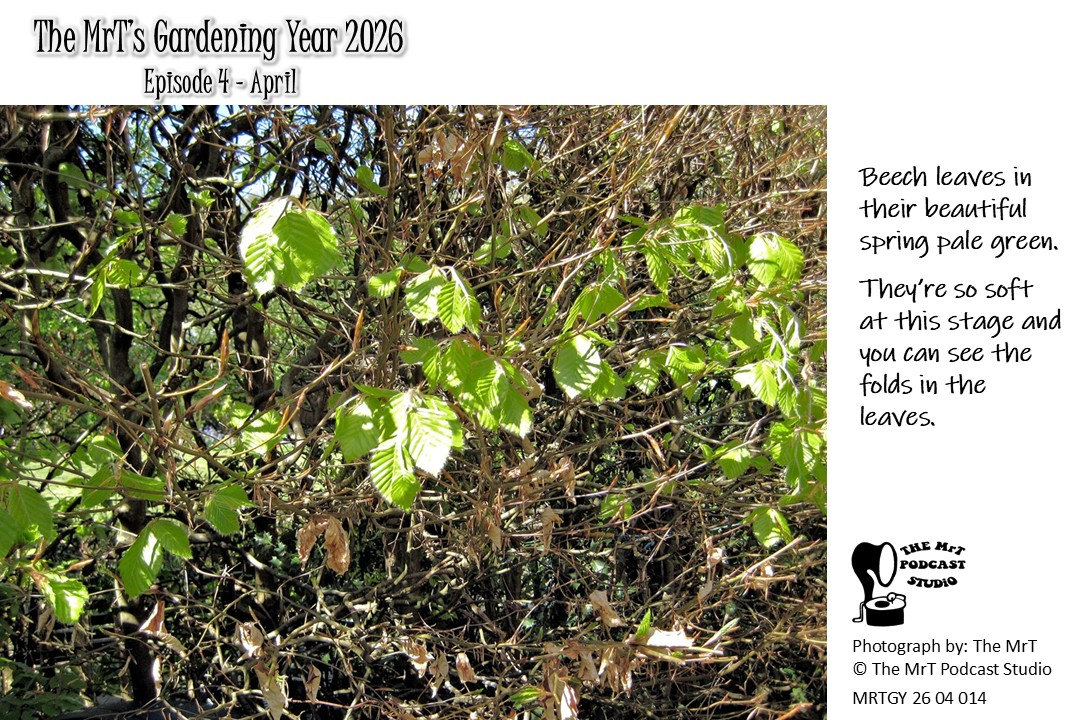
The Beech hedge is coming into leaf. The leaves are so lovely as they break open – soft, light green and the folds are clear..

Listen to the podcast to hear all about my gardening month.

This podcast is also available through Amazon MusicApple PodcastsCastbox, PodchaserSpotify, YouTube and others.

Music:

AKM Music licenses Horticulture for use in this podcast.

TH2025 02 Gladstone

Season 2025 – Talk 02 – Gladstone

In ‘Gladstone’ Jo Huddleston tells us about the career of the man who was Liberal Prime Minister four times. His talk suggests that he feels Gladstone was far better than our recent Prime Ministers and also his great opponent, Disraeli.

Early life:

 Born in 1809, in Liverpool, to a pretty well off family. His father owns 2,509 slaves working in plantations. It’s fair to suggest he’s brought up in a fairly capitalist conservative way.

Entering Eton in 1821 when he’s 12 years old and shows no interest in sports or games, something that lasts all through his life. The young Gladstone feels that the chapel services are very poor. 

Religion:

A devout Anglican, he spends a lot of time inspecting his own motives and plans to check that they are ethically correct, that they favour people in general and not his personal wishes. So maybe he’s a bit over serious.

He starts a diary, which he keeps all his life. It reads as if he is determined to show that he spends his life usefully. A diary of self-congratulation, in a modest sort of way, giving the impression that he feels accountable to God directly. He really took Anglicanism very seriously.

 He reads the Bible every day. And is pretty sure he’s a significant sinner. 

University:

At the end of his studies at Christ Church College he graduates with a double first in classics and maths in 1828.

 President of the Oxford Union and is regarded as a great orator with flashing eyes, a thunderous voice and torrents of logical language. 

Politics:

A career which sees his views change radically. First elected as Tory MP for Newark in 1832 he becomes Liberal Prime Minister for the first time in 1868 – a massive change!

Listen to Jo tell the story.

About this podcast:

This is an edited recording of a talk given to the Farnham u3a World History: Ancient, Medieval and Modern  Group.

This podcast is also available through Amazon MusicApple PodcastsCastbox, PodchaserSpotify, YouTube and others.

AKM Music licenses Media Magazine for use with this talk.

© The MrT Podcast Studio and Farnham u3a World History: Ancient, Medieval and Modern Group 2018 – 2026

UKRJ S2 Ep 17 Journey’s End

Journey’s End  –  UK Rail Journeys Series 2 – Episode 17

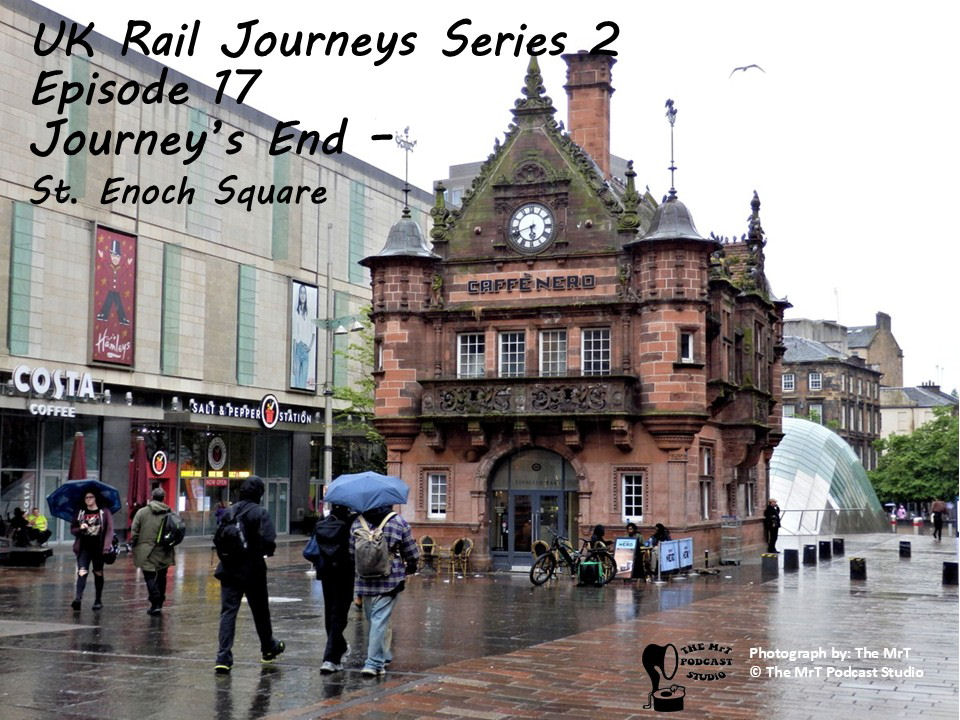
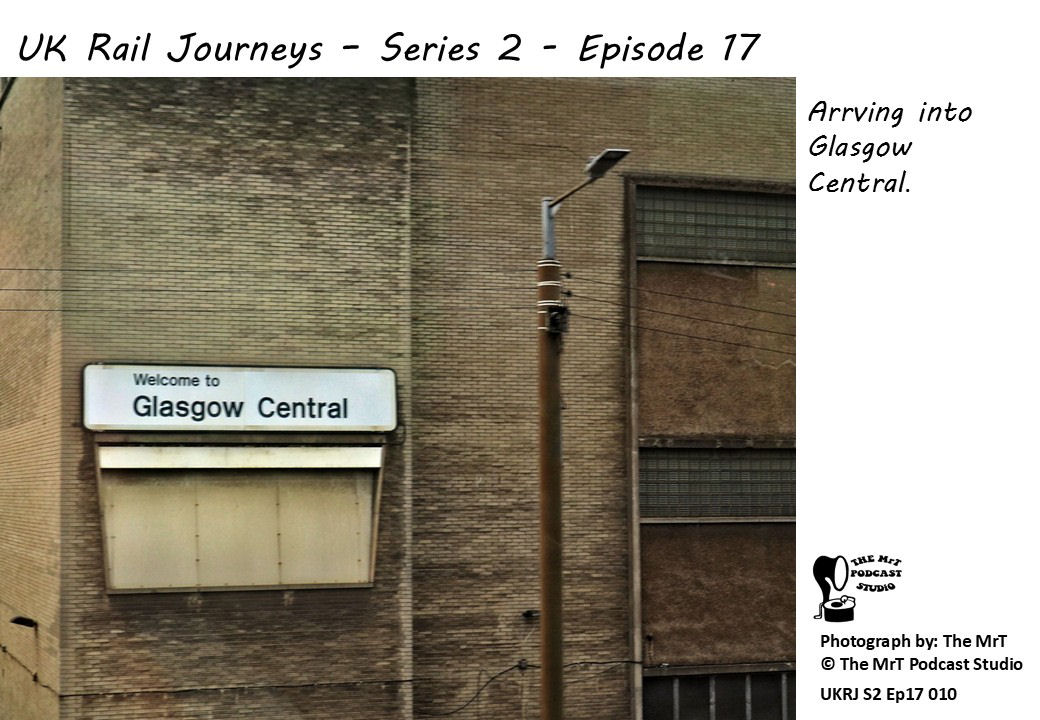
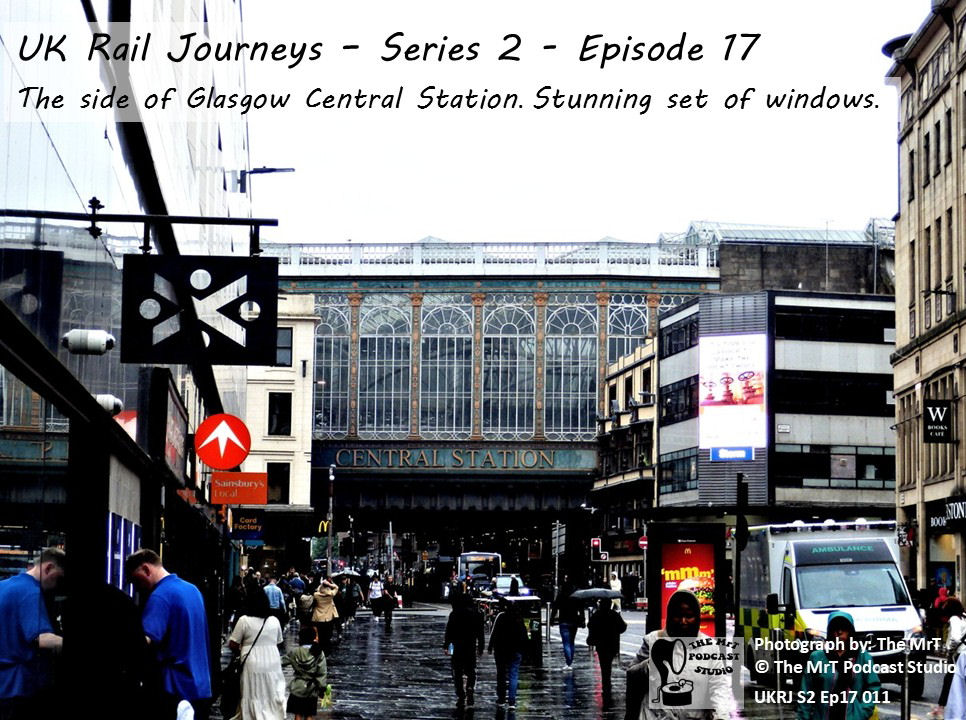
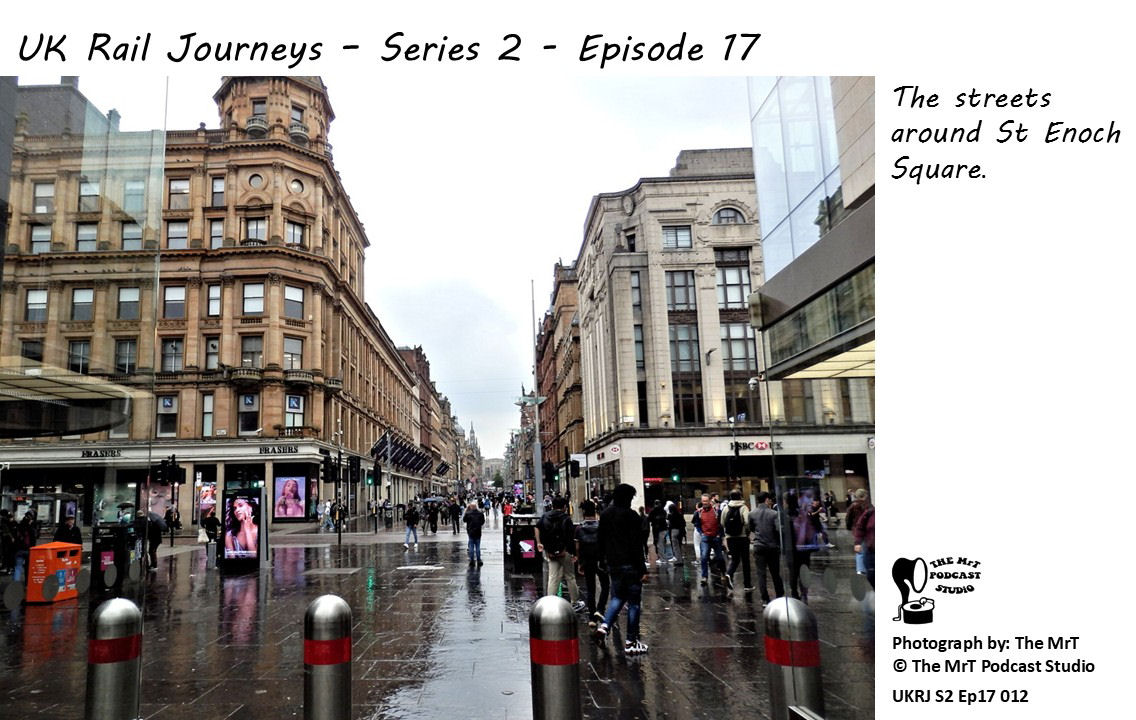
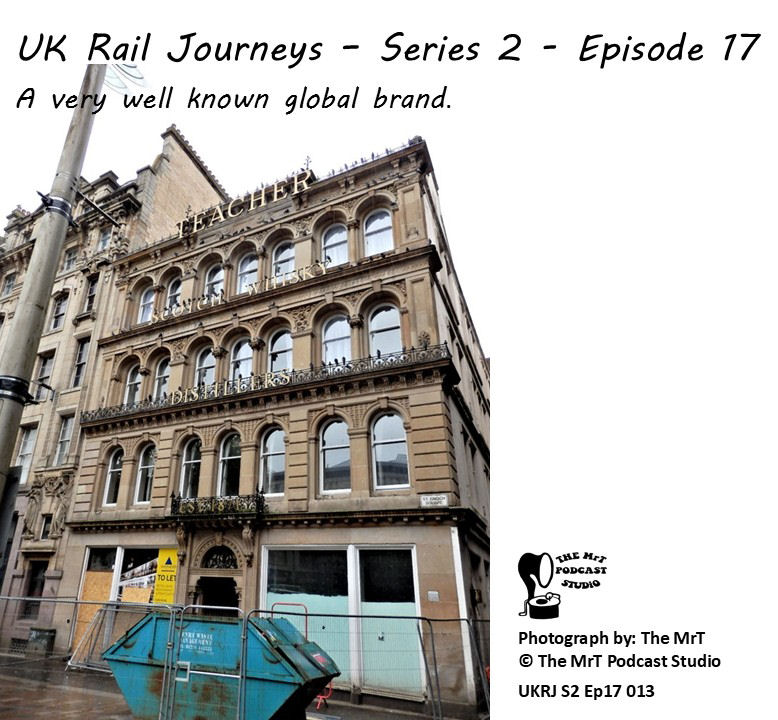
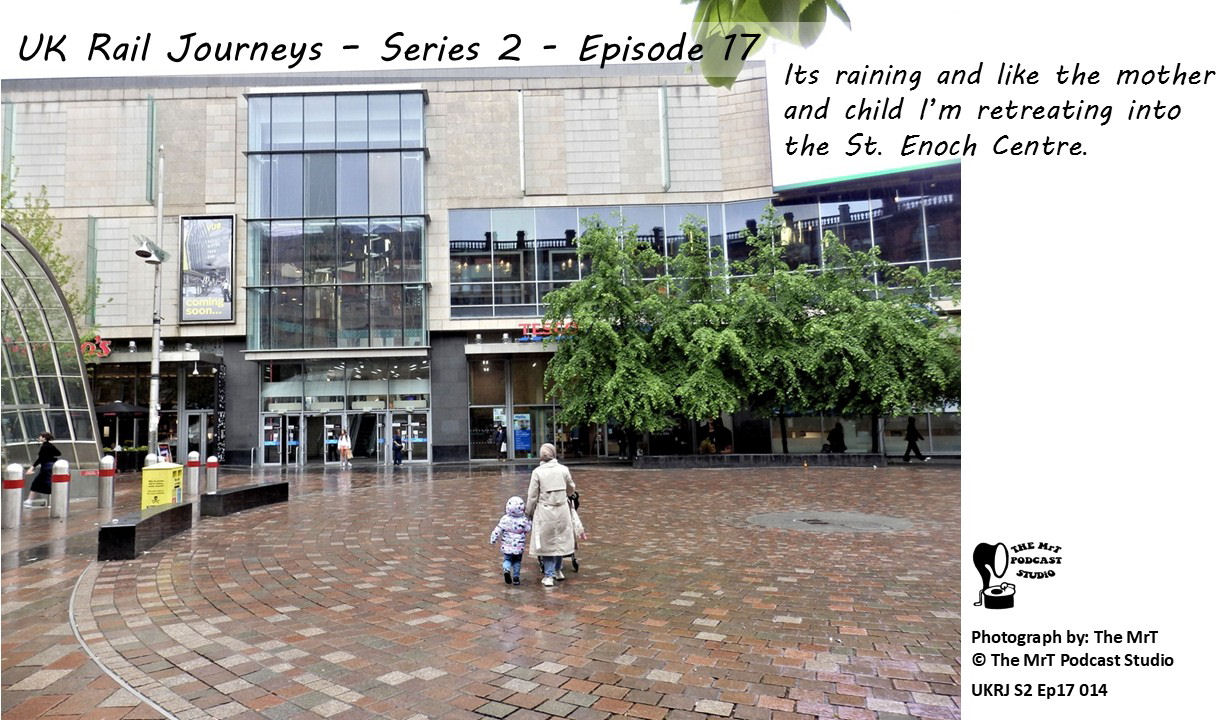
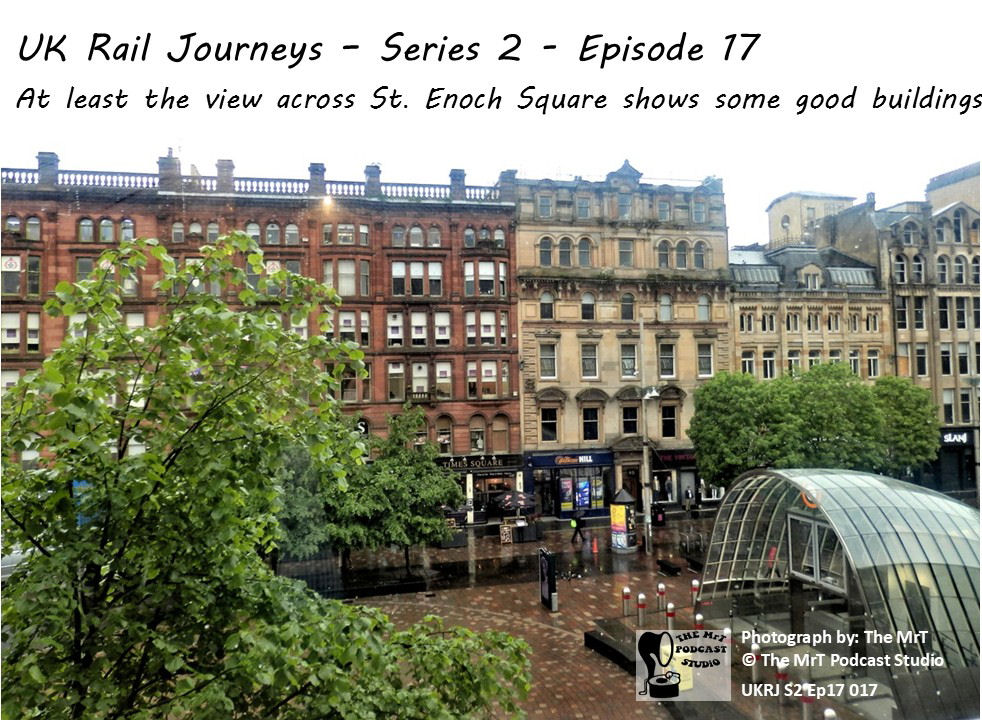
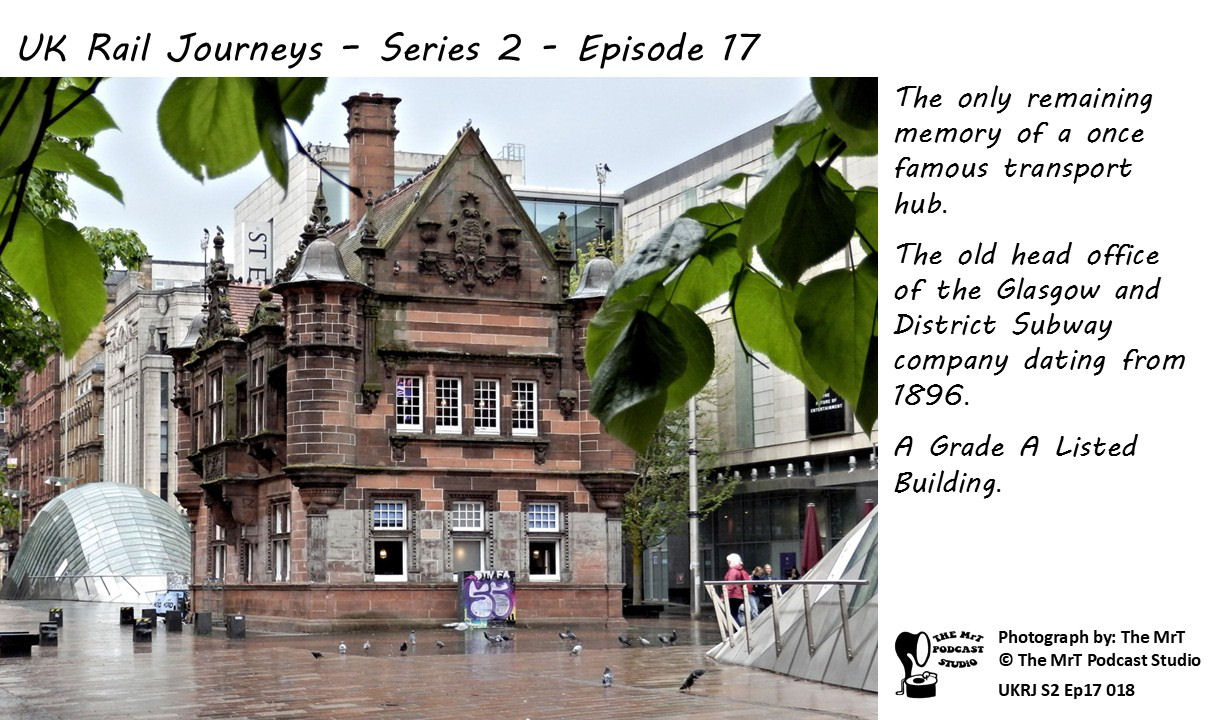
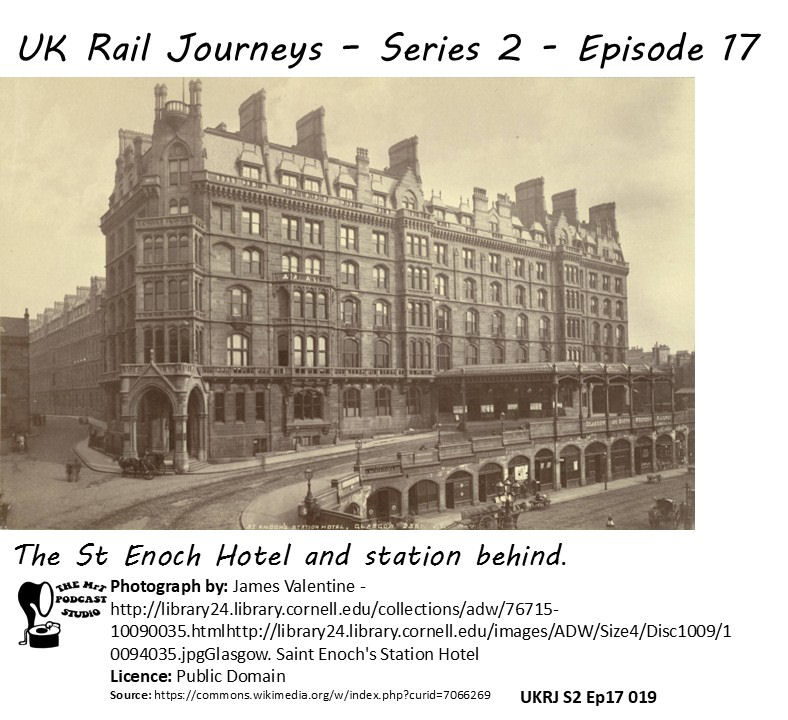
In ‘Journey’s End‘ I continue my journey to my arrival at Glasgow Central. I then walk to St. Enoch Square, the true home of the Thames Clyde Express.

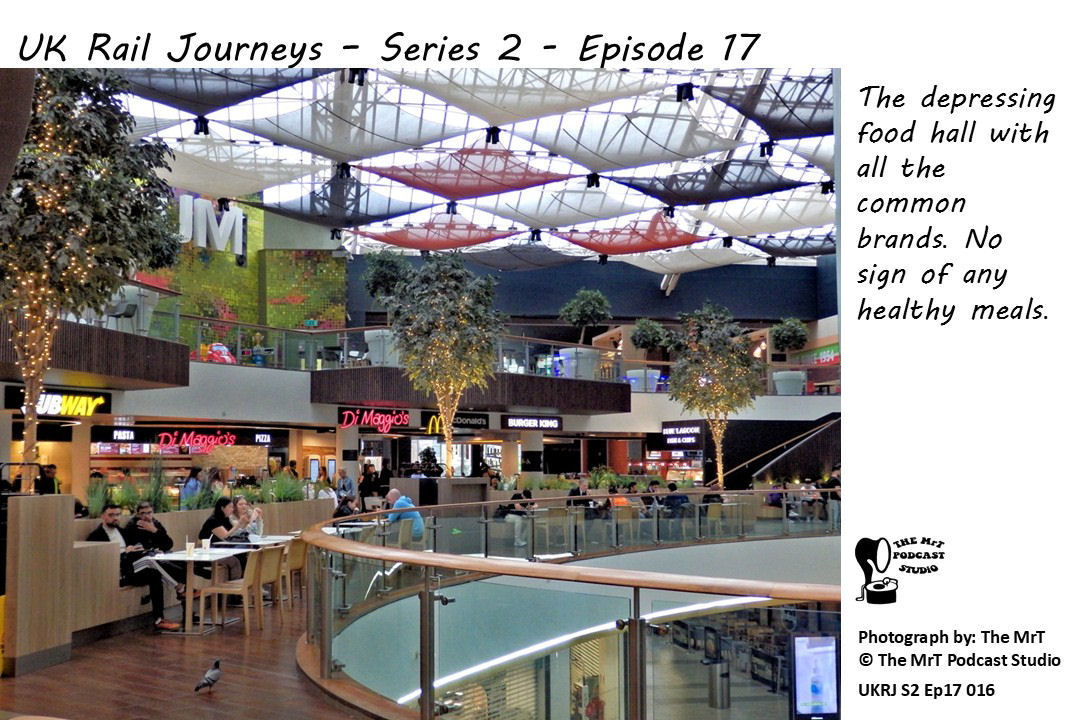
Please click on a thumbnail to see the photographs that go with the podcast:
The last of the countryside and curling:

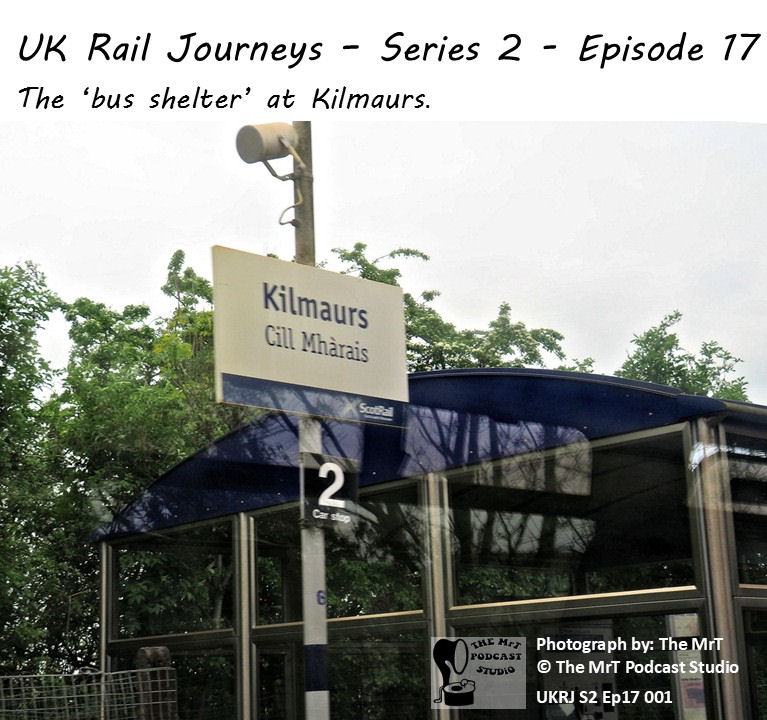
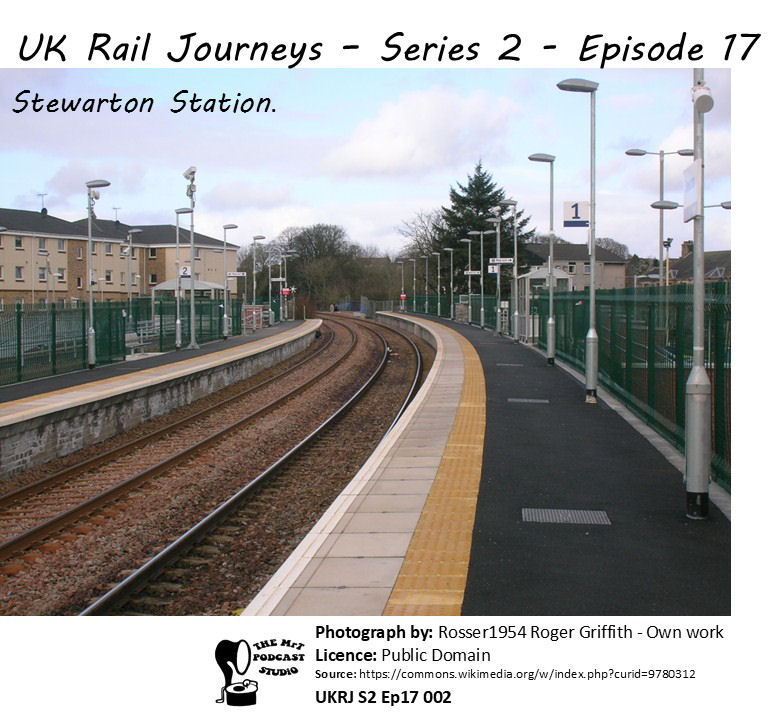
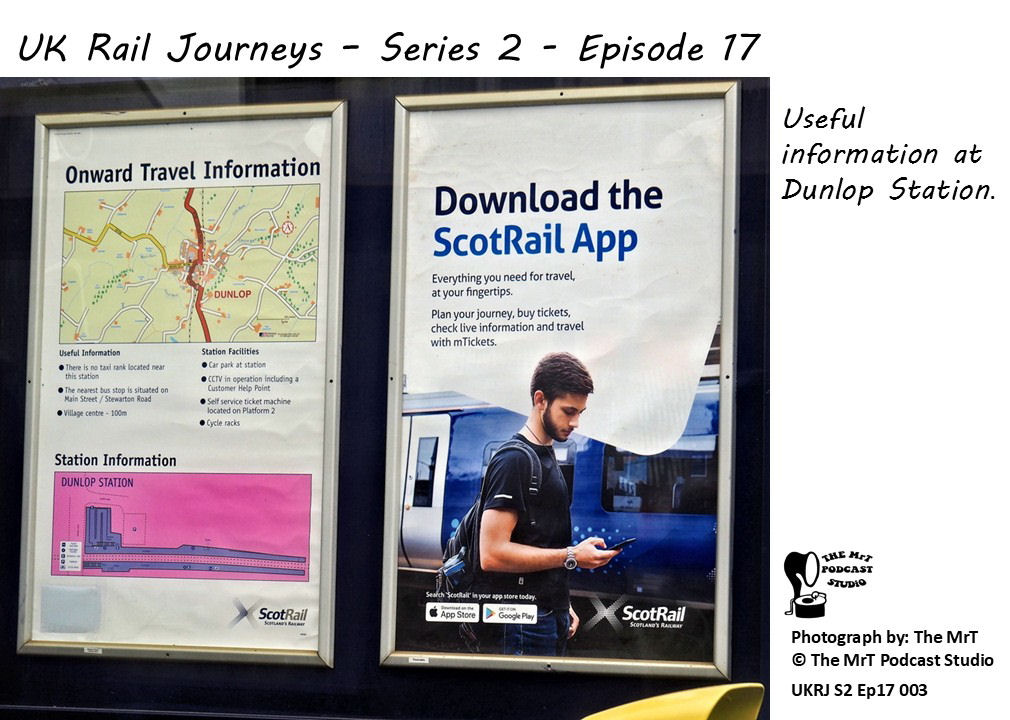
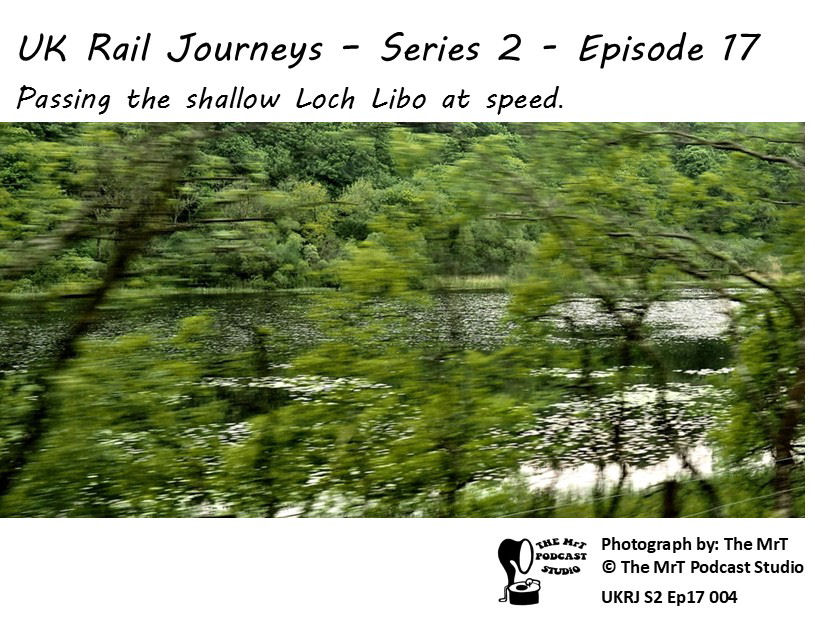
We pass through Kilmaurs, Stewarton and Dunlop stations before passing Loch Libo.

Loch Libo is a freshwater loch, the name is very old and may be pre-Gaelic in origin. The loch holds tench, eel, perch, carp and roach with fishing limited to members of the Scottish Carp Group.

In 1885 curling matches start at Loch Libo. In 1919 the curling club moves to Kirton Dam. The loch and its backdrop, the Nielston Pad, form the badge on the curling club’s sports wear.

Countryside to urban sprawl:

The Crofthead Mill in Nielston marks the start of the built up approaches to Glasgow. Up to 1,000 were employed at the six storey mill which closed in 1992 after 200 years.

Pollock Country Park:

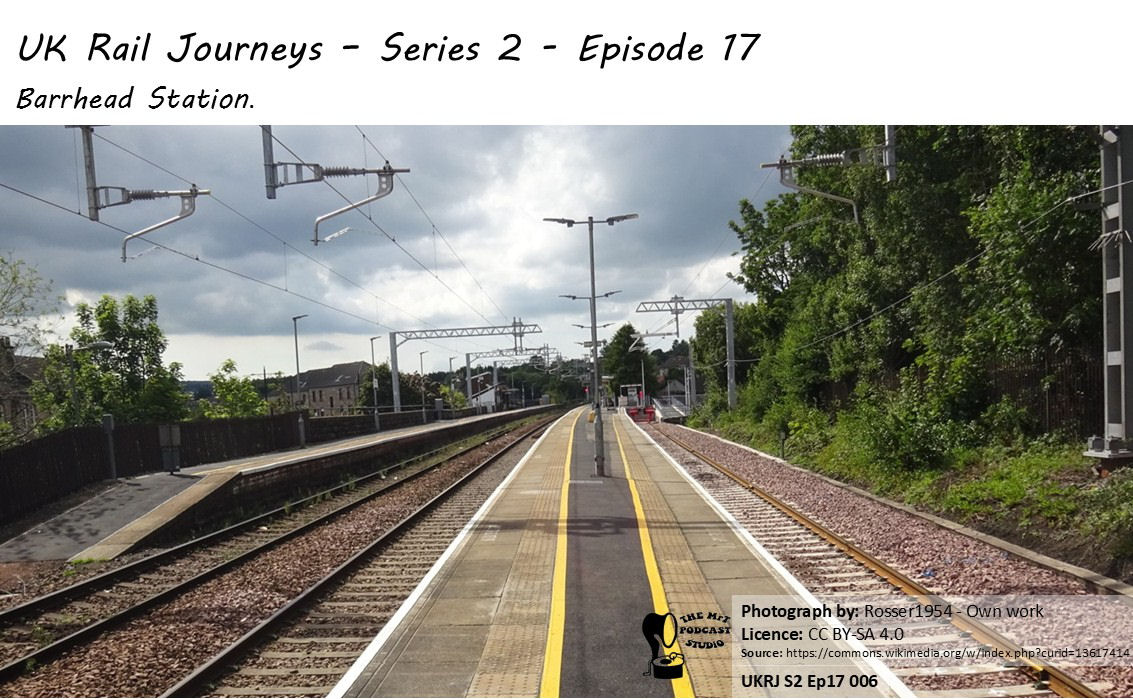
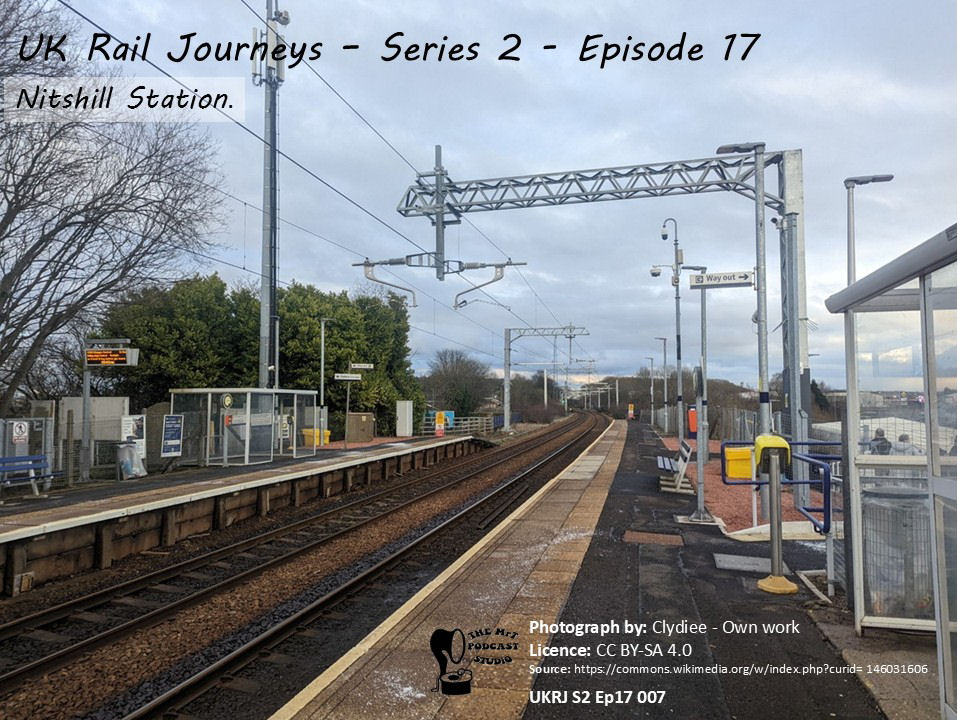
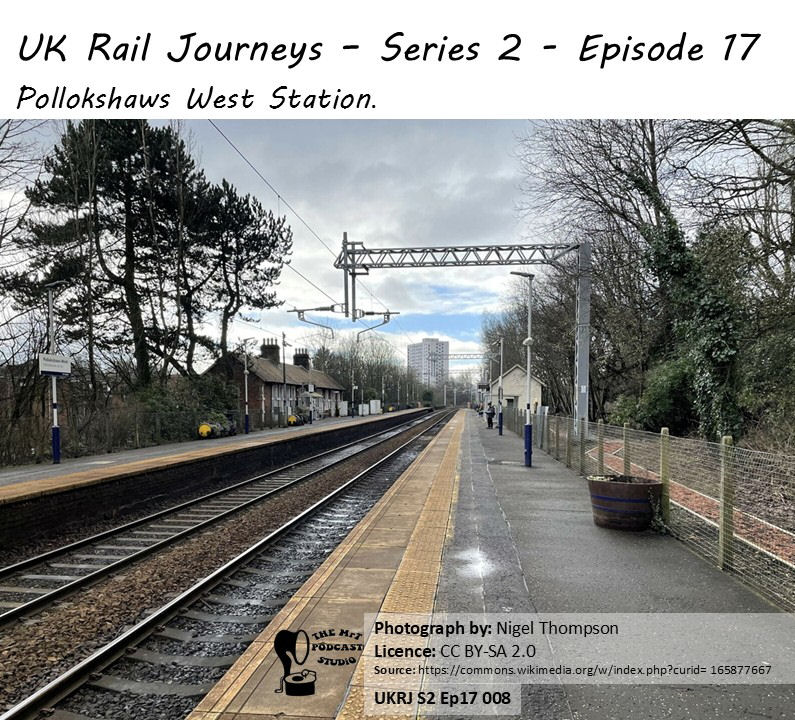
After passing through Barrhead and Nitshill we reach the 146-hectare Pollock Country Park where bowling, golf and other sports take place.

In 2007 Pollok Country Park was named Britain’s Best Park, and in 2008  the Best Park in Europe.

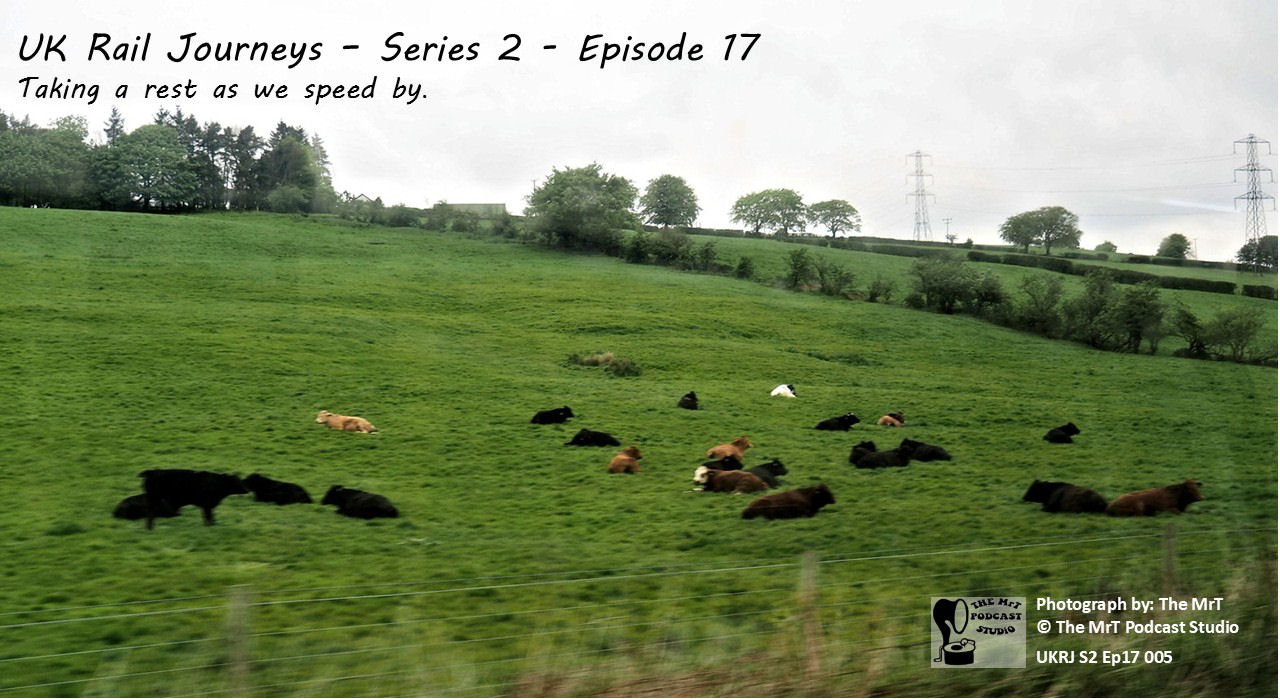
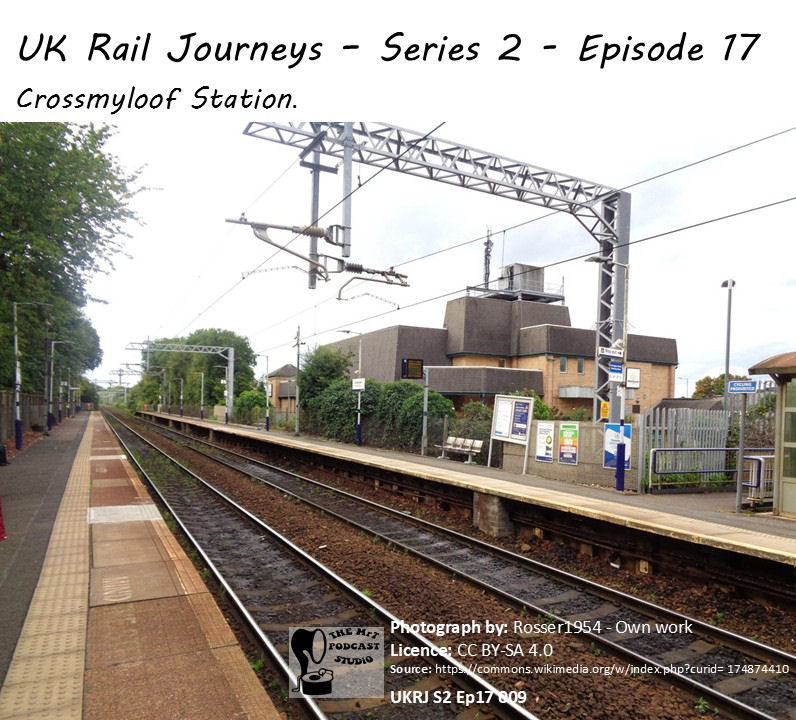
In October 2012 a Highland cow escapes from the park and walks to Crossmyloof Station.

On to Glasgow Central:

We pass through Crossmyloof Station, under the M74, and the old Queen’s Park Works of the North British Locomotive Company are to our east. The company entered voluntary liquidation in April 1962.

Listen to the podcast to hear more about the journey into Glasgow Central, my visit to St. Enoch Square and the history of St. Enoch Station and it’s hotel.

This podcast is also available through Amazon MusicApple PodcastsCastbox, PodchaserSpotify, YouTube and others.

Music:

AKM Music licenses Steam Railway, In Green Forest and The Glens for use in this podcast.